
.jpg)
Overview
The Grand Ole Opry is the longest-running radio broadcast in American history, a living institution that has shaped country music since announcer George D. Hay first spoke into a WSM microphone on November 28, 1925. What began as a simple barn dance radio show has evolved into the most prestigious stage in country music, where artists from Hank Williams to Carrie Underwood have performed and where being invited to join the Opry membership remains the highest honor a country artist can receive. The current Grand Ole Opry House, located at Opryland in east Nashville, seats 4,400 and hosts live shows multiple nights per week that are still broadcast on WSM 650 AM radio and streamed worldwide. At center stage sits a six-foot circle of oak wood cut from the Ryman Auditorium's original stage, connecting every modern performer to nearly a century of musical tradition.
Events Schedule
Backstage tours: Available daily, typically 9:30 AM - 2:30 PM (schedules vary; check ahead). Live shows: Tuesday, Friday, and Saturday evenings are standard show nights; additional shows on some Wednesdays and Thursdays during peak seasons. Show times: Usually 7:00 PM (some Saturday shows at 6:30 PM and 9:30 PM). Best experience: Saturday night double-header shows are the classic Opry experience, with the strongest artist lineups. Winter Ryman shows: November through January, select shows return to the Ryman Auditorium downtown for a more intimate, historic setting
Seating Guide
The main floor center sections (1-5) offer the closest views of the stage and the six-foot Ryman oak circle. The mezzanine provides excellent sight lines with a broader view of the full stage and performer entrances.
For the best audio experience, sections 3-5 on the main floor sit directly in line with the primary speakers. The balcony rear sections are furthest from the stage but offer the lowest ticket prices and still deliver clear views in this well-designed 4,400-seat venue.
When to Visit
The Ryman stage circle: Look for the six-foot circle of hardwood at center stage - this oak was cut from the original Ryman Auditorium floor where the Opry lived from 1943 to 1974, and every modern performer stands on this connection to history. Live radio broadcast: Watch the show knowing it's simultaneously going out live on WSM 650 AM, just as it has since 1925 - tune your car radio to 650 AM driving back to downtown for the full experience. Backstage artist entrance: During the tour, stand at the exact spot where artists enter the stage - the same corridor walked by every country music legend of the past half-century. Member wall: Photographs of every Grand Ole Opry member line the backstage hallways, from founding member DeFord Bailey (the Opry's first African American star) to the newest inductees. Post-show backstage: On select nights, a post-show backstage tour lets you walk the stage and corridors while the energy of the evening performance still lingers. Gaylord Opryland Resort: The adjacent resort's indoor gardens span 9 acres under glass - even non-guests can walk through the atriums free of charge
Admission and Costs
Nearly a century of American music history flows through this institution, from the first WSM broadcast in 1925 through every evolution of country sound that followed. Guides connect individual performances to the broader narrative of how country music both shaped and reflected the nation: the Great Depression songs of the 1930s, the World War II broadcasts that brought comfort to soldiers overseas, the postwar boom that made Nashville a recording capital, the outlaw movement that rebelled against the polish, and the contemporary era that blurs genre boundaries entirely. Without this connective tissue, a show remains entertaining but disconnected from the lineage that gives it meaning. The backstage tour takes visitors through artist dressing rooms, warm-up spaces, and onto the stage itself, but the physical access tells only part of the story. Knowledgeable guides add the personal anecdotes that transform these spaces: which dressing room Johnny Cash always requested, where Minnie Pearl waited nervously before her legendary first appearance, the corridor where chance encounters between legends led to collaborations that changed music history. At center stage sits the six-foot oak circle transplanted from the Ryman Auditorium, and standing on it connects every modern performer to Hank Williams, Patsy Cline, and the entire unbroken lineage of Opry history. Guides explain the emotional weight of this wooden circle in ways that photographs cannot capture. First-time Opry attendees often arrive confused by the show's unusual format - rotating artists playing short sets with no single headliner, radio-style timing complete with commercial breaks, the tradition of the emcee introducing each act with practiced warmth. Understanding these conventions transforms potential bewilderment into appreciation for a format that has survived nearly unchanged since the radio era. The surrounding Opryland complex, including the Gaylord Opryland Resort's nine acres of indoor gardens and the General Jackson Showboat, carries its own fascinating history that most visitors miss entirely. Guides who know both the venue and its context can design an experience that extends well beyond the show itself, often incorporating the Country Music Hall of Fame downtown for those seeking the complete Nashville music pilgrimage.
Tips for Visitors
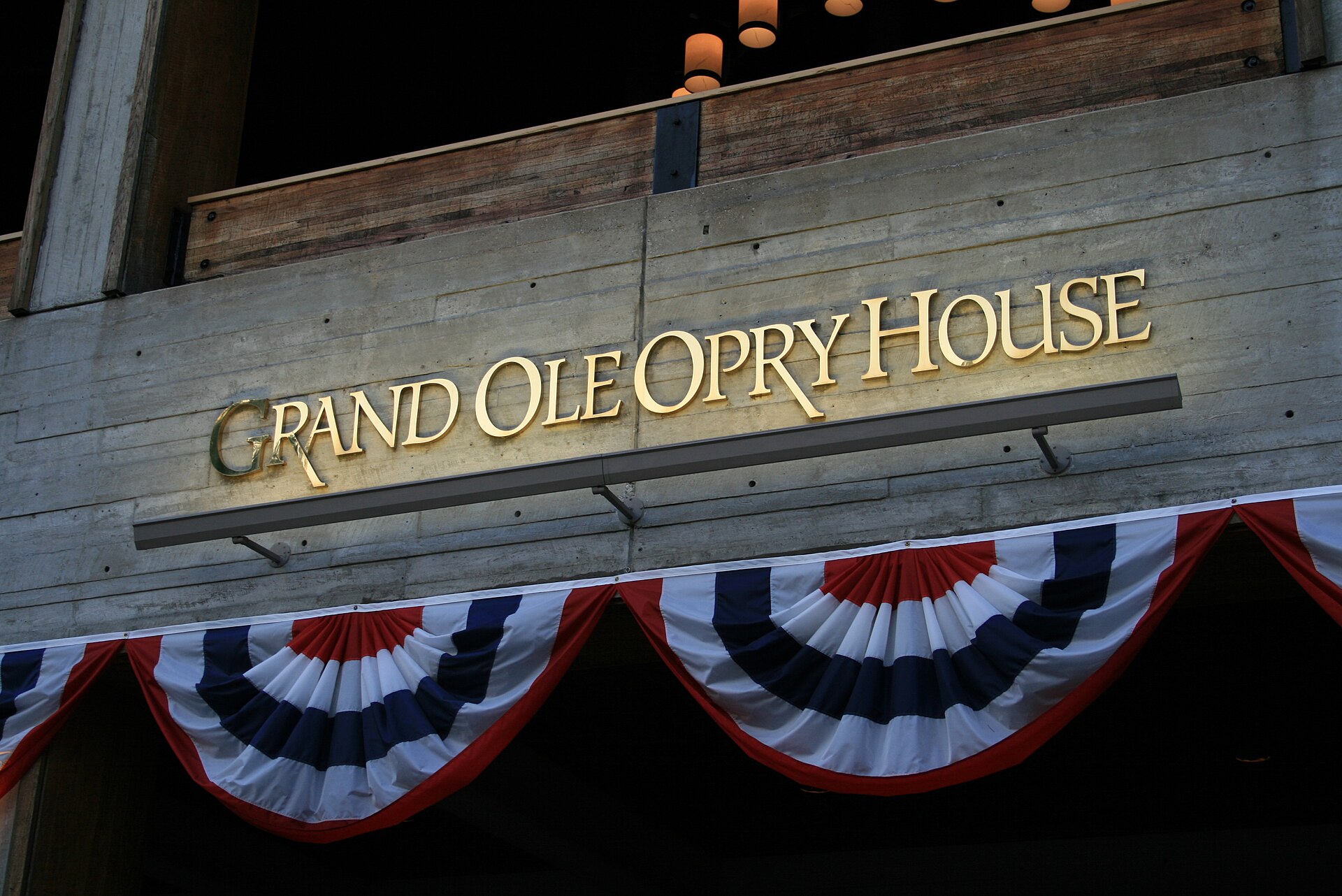
Book show tickets early: Popular Saturday shows and any performance featuring major artists sell out weeks in advance - check the artist lineup online before purchasing. Arrive 45 minutes early: The pre-show atmosphere, gift shop browsing, and photo opportunities at the entrance sign are part of the experience. Transportation from downtown: The Opry House is 15 minutes east of downtown Nashville by car; budget for a $15-20 rideshare each way, or use the free shuttle from the Ryman on show nights (when available). Dress code: There is no formal dress code, but most audience members dress in smart casual; you'll see everything from boots and jeans to sport coats. Artist lineups vary: Each show features 6-12 different artists performing 2-3 songs each - the Opry does not guarantee specific performers, so check the posted lineup before buying tickets for a specific night. Combine with the Ryman: Do a daytime Ryman Auditorium tour to see where the Opry began, then attend an evening show at the current Opry House for the complete historical arc