
Local Life
South Beach appears in so many photographs that visitors often arrive feeling they already know it. What images cannot capture is the layered history beneath the sand. This barrier island was once nothing but mangroves until developers dredged Biscayne Bay and created the beach that exists today. By the 1970s, the neighborhood had declined into a retirement community that city planners nearly demolished for high-rise condominiums. Guides tell this story of decline and resurrection, explaining how fashion photographers discovered the photogenic intersection of Art Deco architecture and tropical light, launching a cultural explosion that transformed SoBe into a global destination within a single decade. Even the candy-colored lifeguard towers carry artistic intention. Architect William Lane designed each one as functional art, with distinct color schemes and angular forms that have become folk icons reproduced on postcards worldwide. Guides decode the design philosophy that turned utilitarian structures into beloved landmarks, and they position visitors at the optimal angles for photography as the morning or evening light catches each tower's palette. The beach itself faces challenges that most sunbathers never consider. Rising sea levels and erosion threaten this shoreline, and periodic sand replenishment projects import tons of material to maintain what appears to be a natural landscape. Guides explain these environmental realities while connecting the beach to the neighboring Art Deco District, whose preservation battles parallel the ongoing fight to protect South Beach's future. For visitors wanting to understand Miami beyond the suntan, a guided walk reveals stories that even the best postcard cannot tell.
Walking Routes
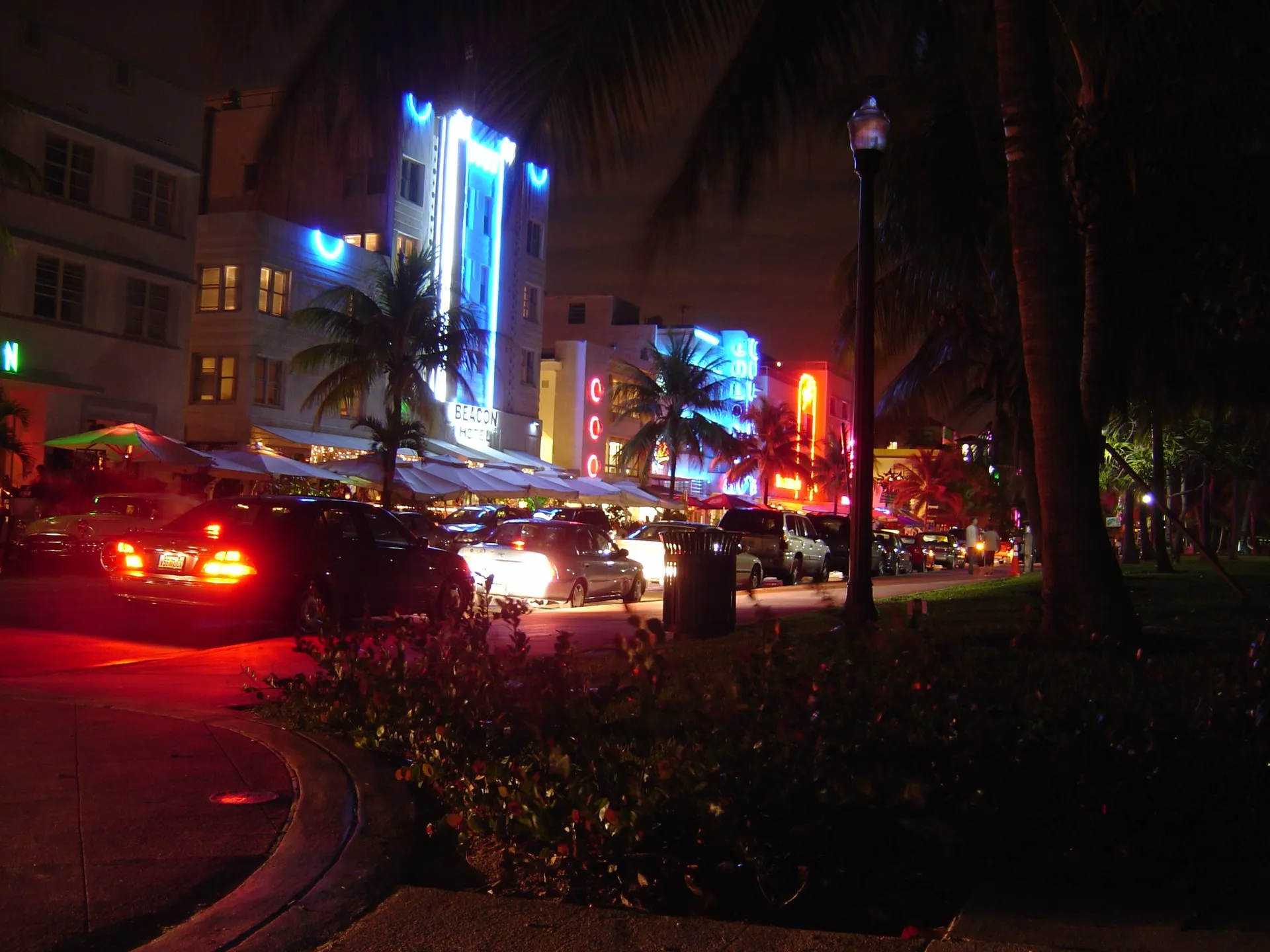
Lifeguard towers: Walk the beach from 1st to 17th Street and photograph the collection of candy-colored towers, each unique in design and palette. South Pointe Park: The southern tip of the beach where you can watch cruise ships pass through Government Cut, with downtown Miami gleaming across the bay. Lummus Park: The shaded palm grove between Ocean Drive and the sand, ideal for a break from the sun with ocean views intact. Sunrise swim: The east-facing beach catches glorious sunrises, and the early morning ocean is at its calmest and most transparent. Ocean Drive promenade: Walk the full length of the sidewalk cafes at twilight, when neon begins to glow and the people-watching reaches peak intensity. Beach volleyball: The courts near 5th Street host pickup games and informal tournaments that attract impressive athleticism. South Beach boardwalk: The paved path running along the dunes from 21st to 46th Street is perfect for walking, jogging, or cycling above the sand
When to Visit
Beach access: Open 24 hours, though swimming is safest during lifeguard hours (9 AM to 5 PM daily). Best morning: Arrive before 9 AM for uncrowded sand, calm seas, and sublime light for photography. Peak hours: 11 AM to 4 PM on weekends from November through April, when seasonal residents and tourists converge. Sunset on Ocean Drive: The golden hour between 5 and 7 PM paints the Art Deco facades in amber and fills the sidewalk cafes with people-watching energy. Full moon parties: South Pointe Park offers stunning views of the full moon rising over the ocean, and informal gatherings often form on these nights
Admission and Costs
Beach access: Completely free at all times. Beach chair and umbrella rental: $20-40 per set from vendors along the sand. Parking: Metered street parking $4 per hour; public garages $20-30 per day on Collins Avenue. Guided beach and neighborhood tour: $30-60 per person for a 2-hour walking tour covering the beach, lifeguard towers, and Art Deco District. Private cultural guide: $200-350 for a 3-hour tour combining beach history, architecture, and local culture for up to 6 people
Tips for Visitors
Free trolley: The Miami Beach trolley runs along Collins Avenue and Washington Avenue for free, making it easy to reach the beach without driving. Bring reef-safe sunscreen: Florida's sun is significantly more intense than northern latitudes, and the sand reflects additional UV. Reapply frequently. Water temperature: The Atlantic stays above 75 degrees Fahrenheit from May through October, dipping to the upper 60s in winter months. Rip current awareness: Pay attention to posted flag warnings. Purple flags indicate marine life (jellyfish), red flags mean high surf or currents. Evening plan: After a beach afternoon, walk to Wynwood Walls for street art at golden hour, or head to Little Havana for a Cuban dinner on Calle Ocho. Vizcaya escape: For a quieter afternoon after the beach, Vizcaya Museum on the mainland offers shaded Italian gardens and waterfront elegance. Stay alert: South Beach is generally safe but crowded. Keep valuables in a waterproof pouch while swimming and avoid leaving electronics unattended
Frequently Asked Questions
When is the best season for a South Beach visit?
January through March is the golden window, combining warm but not oppressive temperatures, minimal rainfall, and the turquoise Atlantic at its calmest for swimming. This is also peak social season, when Art Deco Weekend, fashion events, and the South Beach Wine and Food Festival animate the neighborhood. September brings the highest hurricane risk and lowest visitor counts, while summer months mean afternoon thunderstorms and intense humidity.
What time of day is best for exploring South Beach?
Beach access: Open 24 hours, though swimming is safest during lifeguard hours (9 AM to 5 PM daily). Best morning: Arrive before 9 AM for uncrowded sand, calm seas, and sublime light for photography.
How much should visitors budget for South Beach?
Beach access: Completely free at all times. Beach chair and umbrella rental: $20-40 per set from vendors along the sand. Parking: Metered street parking $4 per hour; public garages $20-30 per day on Collins Avenue.
Is there a free way to get around South Beach without a car?
Free trolley: The Miami Beach trolley runs along Collins Avenue and Washington Avenue for free, making it easy to reach the beach without driving.