

Overview
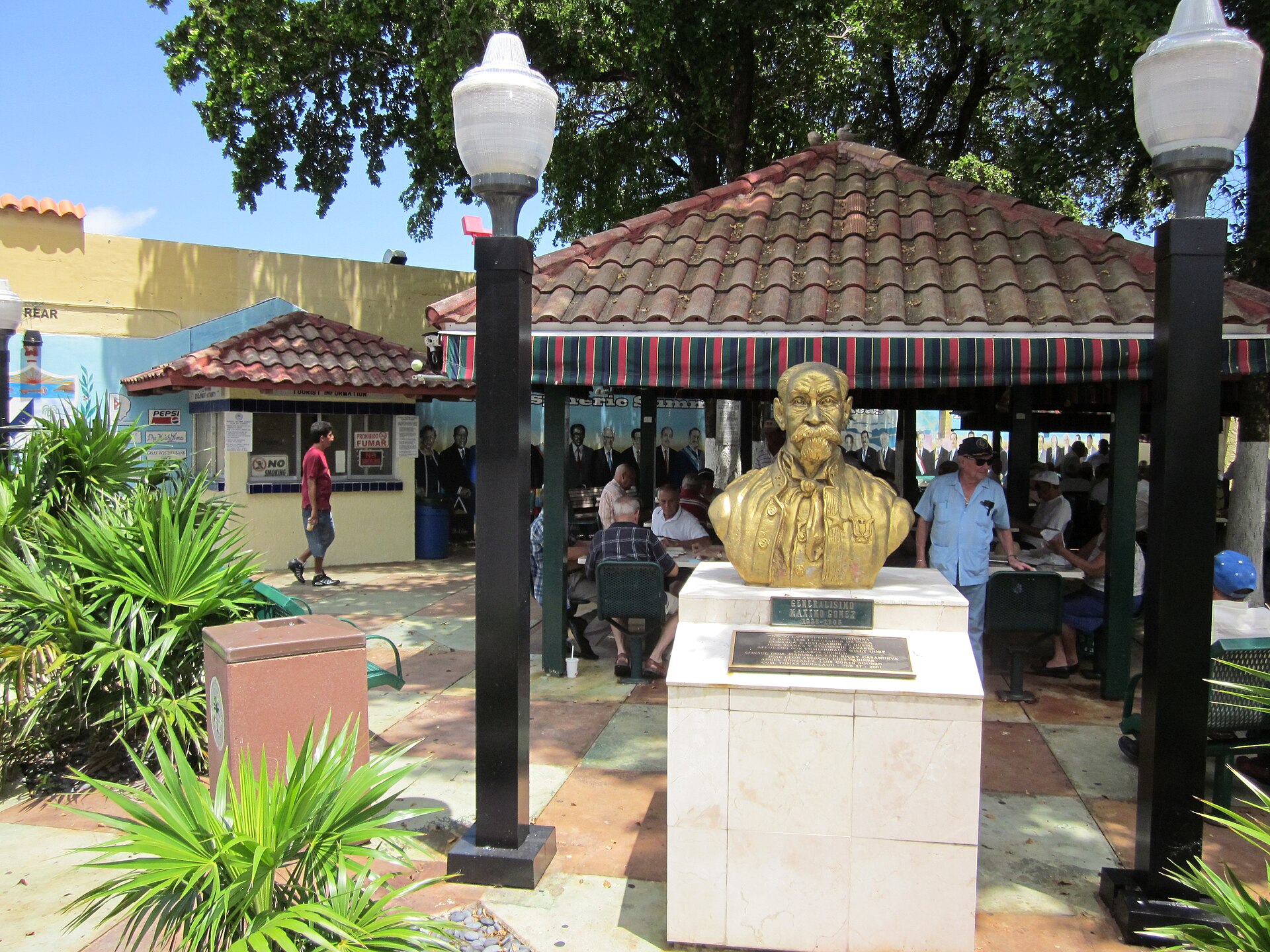
Little Havana is not a theme park version of Cuba. It is a living, evolving neighborhood where the scent of hand-rolled cigars drifts from open doorways, where elderly men slam dominoes with operatic intensity at Maximo Gomez Park, and where a cafecito from a ventanita window counter costs a dollar and tastes like it was brewed by someone's grandmother. The neighborhood coalesced in the 1960s when the first wave of Cuban exiles, fleeing Fidel Castro's revolution, settled along Southwest 8th Street and transformed a quiet residential area into the cultural capital of the Cuban diaspora. They brought their music, their food, their political passions, and their unshakable determination to preserve the culture they had been forced to leave behind. Calle Ocho, as SW 8th Street is universally known, remains the neighborhood's central artery. Walking its length, you pass cigar factories where torcedores still roll by hand, fruit stands selling mamey sapote and guanabana, art galleries displaying works by Cuban and Latin American artists, and restaurants where ropa vieja and lechon asado are served alongside the fierce opinions of their owners. But Little Havana has grown beyond its Cuban roots. Nicaraguan, Honduran, Colombian, and Venezuelan communities have added their own flavors and traditions, making this one of the most authentically multicultural corridors in Miami. A guided walk through these blocks reveals not just Cuban history but the broader story of Latin American immigration that has fundamentally reshaped this corner of the United States.
Local Life
Little Havana's most authentic experiences happen in Spanish. The elderly men slamming dominoes at Maximo Gomez Park trade barbs in rapid Cuban dialect, the cigar rollers discuss tobacco leaf quality in terms passed down through generations, and the women behind ventanita counters describe pastries using words that carry memories of kitchens in Havana. Bilingual guides bridge these language barriers, translating not just words but cultural context. They introduce visitors to shopkeepers by name, unlock conversations that would otherwise remain polite but superficial, and help you understand why certain exchanges carry emotional weight that transcends commerce. The neighborhood's history explains its present. Cuban exiles arrived in waves, beginning in the 1960s with professionals fleeing Castro's revolution, continuing through the Mariel boatlift of 1980, and extending to recent arrivals seeking economic opportunity. Each wave brought different backgrounds and perspectives, and guides place the businesses along Calle Ocho within this layered timeline. They explain why the Bay of Pigs monument holds such solemn significance, why political opinions run so passionately, and how Nicaraguan, Honduran, and Venezuelan communities have added new dimensions to what was once exclusively Cuban territory. Food tells this story as vividly as any history lesson. Guides lead you to the bakeries where the croquetas achieve perfection, explain the precise ratio of espresso to steamed milk that distinguishes a cortadito from a cafe con leche, and arbitrate the fierce debates about Cuban sandwich construction. They know which ventanita serves the strongest cafecito and which fruit stands stock the ripest mamey sapote. After tasting your way through these blocks, a natural contrast awaits at Wynwood Walls, where Cuban-influenced murals share space with artists from around the world.
Walking Routes
🎲 Maximo Gomez Park: Stand at the fence and watch the domino players, who have gathered here daily for decades. The intensity and trash talk transcend language. ☕ Ventanita coffee: Order a cafecito or colada from any walk-up window on Calle Ocho. This is how Miami has taken its coffee since the 1960s. 🍴 Versailles Restaurant: The most famous Cuban restaurant in the United States, a mirrored palace where politicians, celebrities, and families have gathered for over fifty years. 🚬 Cigar factories on Calle Ocho: Watch master torcedores hand-roll cigars using techniques unchanged for generations, and chat with them about their craft. 🎨 Calle Ocho Walk of Fame: Pink marble stars embedded in the sidewalk honoring Latin music legends from Celia Cruz to Gloria Estefan. 🌈 Domino Park murals: The surrounding walls and buildings feature vivid murals depicting Cuban history, music, and daily life. 🍦 Azucar Ice Cream: Cuban-inspired flavors like cafe con leche, abuela Maria, and platano maduro that you genuinely cannot find anywhere else
When to Visit
Neighborhood access: Public streets open 24 hours, though most shops and restaurants operate 9 AM to 9 PM. Maximo Gomez Park (Domino Park): Open daily 9 AM to 6 PM, with the most spirited games in the afternoon.
Best time to visit: Late morning into early afternoon on weekdays, when cigar shops are open and the neighborhood hums with daily life rather than tourist traffic. Viernes Culturales (Cultural Fridays): The last Friday of each month transforms Calle Ocho into a street festival with live music, art, and food from 7 PM to 11 PM. Calle Ocho Festival: Held annually in March, this is the world's largest Hispanic street party, drawing over a million people along 23 blocks.
Admission and Costs
Walking the neighborhood: Completely free. Cuban coffee (cafecito): $1-2 from any ventanita (walk-up window), the essential Little Havana experience. Guided food and culture tour: ****$55-85 per person for a 2.5-hour walking tour with tastings at 5-8 stops including cigars, coffee, pastries, and fruit. Private cultural guide: $175-300 for a 2-3 hour personalized tour for up to 6 people, with flexibility to explore your specific interests. Cigar factory visit: Free to watch the rollers work; individual cigars range from $5 to $30 depending on quality
Tips for Visitors
Getting there: Little Havana is 10 minutes west of downtown Miami by car. Limited street parking is available, or take the Metrobus Route 8 along Calle Ocho. Walkable stretch: The core tourist area runs along SW 8th Street from roughly 12th to 17th Avenues, about a one-mile stroll. Cash is helpful: Smaller ventanitas, fruit stands, and some shops prefer cash. Bring small bills. Combine with Wynwood: A morning in Little Havana and an afternoon at Wynwood Walls creates a full day exploring two of Miami's most distinctive cultural neighborhoods. Art Deco contrast: For an architectural shift, follow a Little Havana morning with a trip to the Art Deco District on Miami Beach. Respect the domino players: Photographs are welcome at Maximo Gomez Park, but do not interrupt games in progress or enter the playing area without invitation. Bay of Pigs monument: The memorial at SW 13th Avenue and 8th Street is a solemn site for the community. Approach it with the same respect you would any war memorial