
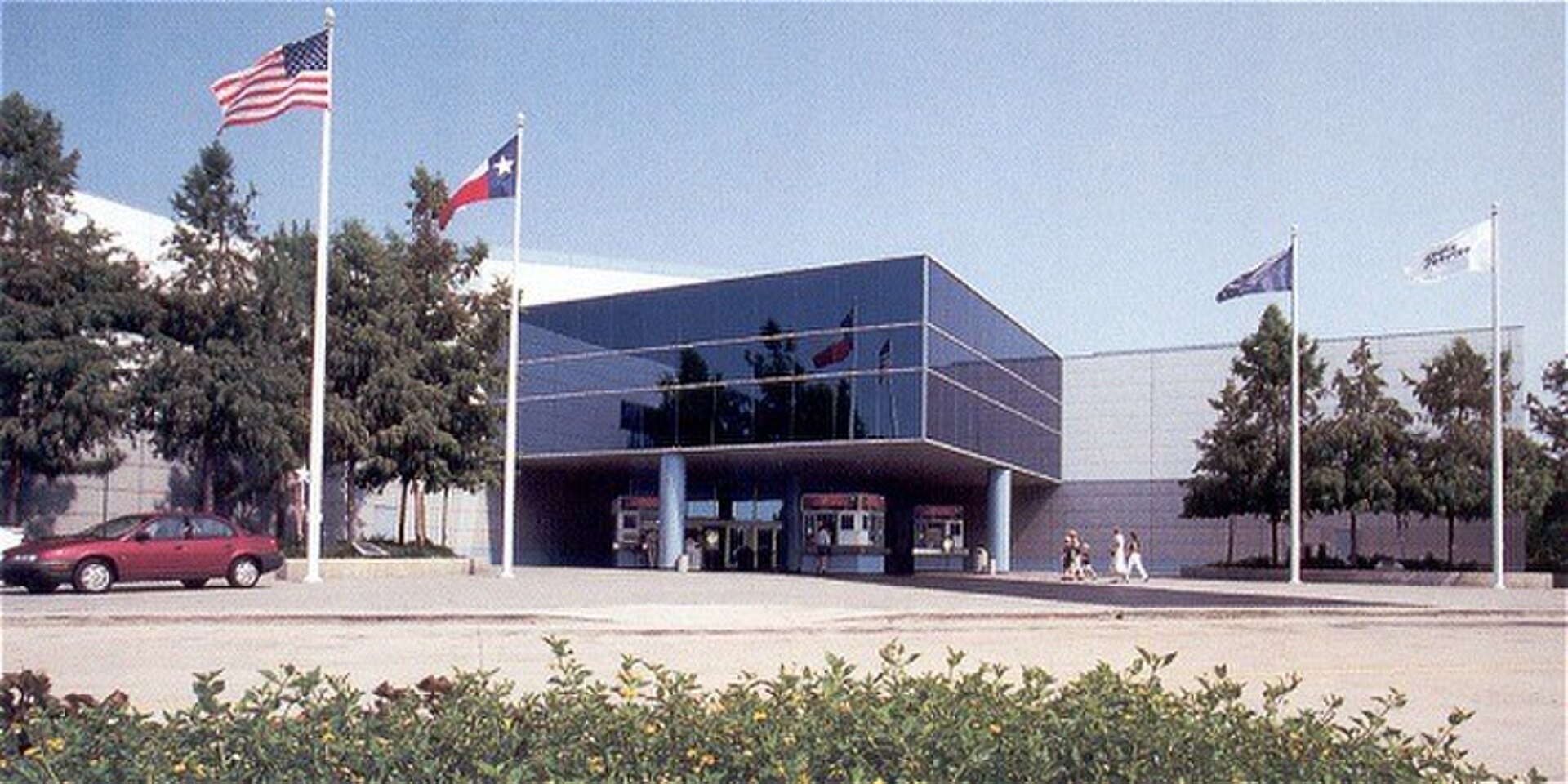

Overview
Space Center Houston is the official visitor centre of NASA's Lyndon B. Johnson Space Center, the nerve centre of American crewed spaceflight since the Mercury programme of the early 1960s. Spread across 250,000 square feet in a campus 30 miles southeast of downtown Houston, the centre houses more than 400 space artefacts including the Apollo 17 command module that carried the last humans to walk on the Moon, a touchable lunar sample, and a full-scale replica of the Space Shuttle Independence mounted atop the original NASA 905 Boeing 747 shuttle carrier aircraft.
This is not a simulation or a theme park ride: it is the authentic place where "Houston, Tranquility Base here. The Eagle has landed" was received, where "Houston, we've had a problem" was spoken during Apollo 13, and where Mission Control still monitors the International Space Station around the clock today. The signature experience is the NASA Tram Tour, which carries visitors beyond the public centre onto the active Johnson Space Center campus. The tram stops at historic Apollo Mission Control -- the room where engineers guided Neil Armstrong to the lunar surface -- and continues to the astronaut training facilities where you can watch crews preparing for upcoming missions. The nearby Rocket Park houses a fully restored Saturn V, the most powerful machine ever built, displayed on its side in a climate-controlled hangar where visitors can walk its 363-foot length and grasp the scale of what it took to reach the Moon. Space Center Houston connects naturally to a broader Houston itinerary that includes the Museum District and Hermann Park, though the space centre alone justifies a full day. Every artefact here was used by real astronauts on real missions, and without narration these objects remain silent witnesses to history. The Apollo 17 command module sitting behind glass carried the last humans to walk on the Moon, but what was it like inside during splashdown? Which astronaut sat where, and what did they see through those small windows as Earth grew larger? A guide brings human stories to objects that wall plaques reduce to technical specifications, transforming a museum visit into an encounter with the individuals who risked their lives at the edge of human capability.
Guided Tours
Every artefact in Space Center Houston was used by real astronauts on real missions, but without narration, these objects remain silent witnesses to history. The Apollo 17 command module sitting behind glass carried the last humans to walk on the Moon, but what was it like inside during splashdown? Guides bring human stories to objects that wall plaques reduce to technical specifications, transforming a museum visit into an encounter with the individuals who risked their lives at the edge of human capability.
The space programme operates on principles that even scientifically literate visitors may not fully grasp. Orbital mechanics, life support systems, heat shield technology, and the physics of re-entry involve engineering so complex that the achievements become abstract rather than visceral. Guides translate these concepts into terms that make the triumphs and terrors of spaceflight immediate. They explain why the Apollo-era Mission Control room, which looks like a modest 1960s office, actually represents one of the greatest engineering improvisations in human history, with every console, switch, and procedure invented from scratch to keep humans alive 240,000 miles from Earth where no rescue was possible. With over 400 artefacts spread across multiple buildings, the centre can overwhelm even dedicated visitors. The Saturn V in Rocket Park alone demands an hour to appreciate properly. The Space Shuttle Independence mounted atop its carrier aircraft offers an experience found nowhere else on Earth. The touchable lunar sample connects your fingertip to a world 3.8 billion years old. Guides ensure you reach these essentials while revealing hidden treasures most visitors walk past, like the astronaut memorial garden and the evolution of space suit technology from Mercury to the International Space Station.
Collections Highlights
Touchable moon rock: One of only eight locations on Earth where the public can touch a lunar sample returned by Apollo 17 astronauts in 1972 -- 3.8 billion years old and worn smooth by millions of fingertips. NASA Tram Tour: The only way for the public to enter the active Johnson Space Center campus, with stops at the historic Apollo Mission Control and the astronaut training pool facility.
Saturn V rocket: Walk the full 363-foot length of a restored Saturn V in Rocket Park, the same type of vehicle that launched every Apollo Moon mission, and the most powerful machine ever successfully flown. Independence Plaza: Climb inside the full-scale Space Shuttle Independence replica mounted atop the original NASA 905 carrier aircraft, the only place in the world to experience both the shuttle and its carrier. Astronaut Gallery: Photographs, personal items, and stories from every American who has travelled to space, with rotating exhibits featuring active astronauts currently aboard the ISS. Starship Gallery: Flown spacecraft including Mercury, Gemini, and Apollo capsules that carried Americans into orbit and to the Moon, displayed with the scorch marks and wear of actual spaceflight.
When to Visit
Daily hours: 10 AM to 5 PM on weekdays, 10 AM to 6 PM on weekends; extended hours during summer, spring break, and holiday periods. Tram tours: Depart continuously throughout the day; first tours leave shortly after opening, last tours typically 2-3 hours before closing.
Best for small crowds: Tuesday through Thursday mornings during the school year; arrive right at 10 AM to board the first tram before groups accumulate. Peak times to avoid: Spring break weeks (mid-March), the week between Christmas and New Year's, and summer weekends see the heaviest crowds and longest waits. Astronaut encounters: Check the monthly calendar for scheduled appearances by active and retired astronauts; these events draw larger crowds but offer unforgettable Q&A sessions.
Admission and Costs
General admission: $29.95 adults, $24.95 children (ages 4-11), free for children under 4; includes all indoor exhibits and the NASA Tram Tour. Level 9 Tour: $179.95 per person for a 4-5 hour VIP experience with behind-the-scenes access to areas closed to the general public, including the current Mission Control and astronaut training facilities.
Parking: $5 flat fee for all-day parking in the main lot. Audio guide: Free via the Space Center Houston mobile app; download before arriving for best experience. Private guided experience: External guides charge $50-100 per person for customised tours that add narrative depth beyond the standard exhibits.
Tips for Visitors
Allow 5-6 hours: The centre is genuinely vast. The tram tour alone takes 90 minutes, and the indoor exhibits, Shuttle Independence, and Saturn V each deserve at least an hour. Book Level 9 well ahead: This VIP tour is limited to 12 people per day and sells out 3-4 weeks in advance during peak periods; it offers access to active facilities that the general public never sees.
Bring layers: The indoor galleries are heavily air-conditioned even when Houston is sweltering outside; a light jacket prevents discomfort during the 5+ hours you will spend inside. Download the app: The free Space Center Houston app provides audio narration, wayfinding maps, and real-time updates on astronaut appearances and show schedules. Eat before or after: The on-site cafe is adequate but crowded; consider eating lunch in Clear Lake before or dinner back in Houston after. Combine strategically: Space Center Houston is 30 miles from downtown; plan it as a full-day destination rather than trying to squeeze it between Museum District visits. Getting there: Driving or ride-share is essential; there is no practical public transit from central Houston. Budget 45-60 minutes each way depending on traffic on I-45 and NASA Parkway.