
City Guide
🇺🇸 Tour Guides in Charleston
Where pastel facades line cobblestone lanes and the tidal marshes hold four centuries of Southern history

Why visit Charleston?
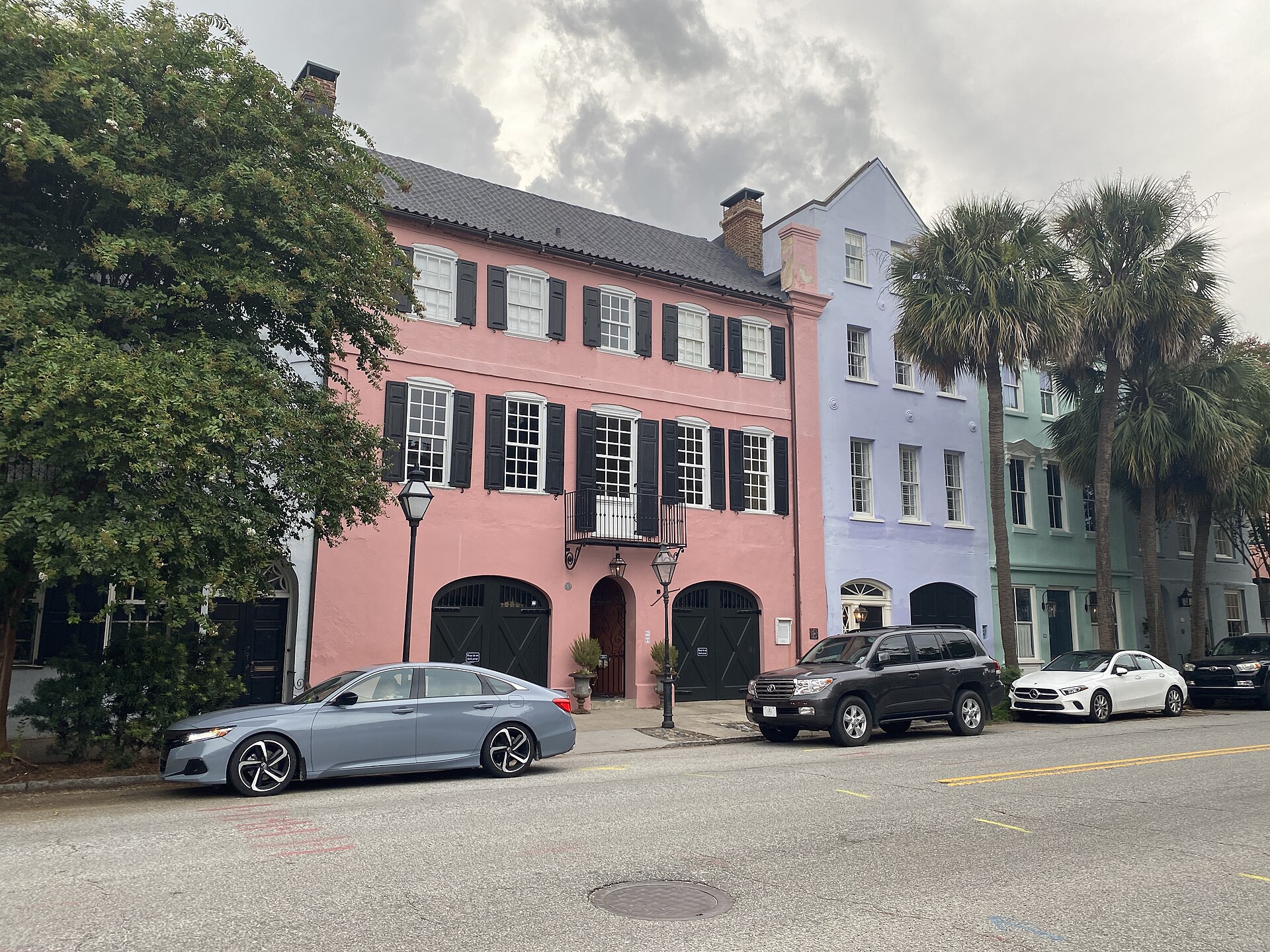
Charleston occupies a narrow peninsula where the Ashley and Cooper rivers merge into a harbor that shaped the course of American history. Founded in 1670 as Charles Towne, it grew into the wealthiest city in colonial America on the backs of enslaved Africans who cultivated rice, indigo, and Sea Island cotton in the surrounding Lowcountry. That fraught legacy lives alongside exquisite architecture: block after block of Georgian townhouses, antebellum mansions, and single houses turned sideways to catch the harbor breeze, all painted in the soft pastels that earned Rainbow Row its fame. The Battery promenade at the peninsula's tip offers sweeping views across the water to Fort Sumter, where the first shots of the Civil War rang out in April 1861. Charleston is one of the most architecturally intact colonial cities in the United States, and every street rewards a slow, guided walk.
What sets Charleston apart from other historic Southern cities is the density and continuity of its preservation. Unlike Savannah, whose beauty is organized around open squares, Charleston's charm lives in its narrow alleys, hidden gardens glimpsed through wrought-iron gates, and the layered stories embedded in buildings that have survived wars, earthquakes, hurricanes, and fires since the 1680s. The city's food scene has earned national recognition through chefs who draw on Lowcountry traditions — she-crab soup, shrimp and grits, benne wafers — while its Gullah Geechee heritage preserves the language, art, and foodways of West African descendants who shaped the region's culture. A knowledgeable guide peels back these layers in ways a guidebook cannot replicate.
What are the must-see spots in Charleston?
Rainbow Row at dawn — The thirteen pastel houses on East Bay Street glow in early morning light before the tour groups arrive, with the harbor shimmering behind them. Sweetgrass basket weaving at the City Market — Watch Gullah artisans coil sweetgrass into intricate baskets using techniques passed down from West African ancestors for over three centuries. The ferry ride to Fort Sumter — Standing on the ramparts where the Civil War began, looking back at the Charleston skyline across the harbor, collapses the distance between past and present. Shrimp and grits at a Lowcountry restaurant — What began as a humble fisherman's breakfast has become Charleston's signature dish. A garden walk behind closed gates — Charleston's private gardens are hidden behind brick walls and iron gates, but guided tours gain access during the spring Festival of Houses and Gardens. Gullah spirituals at a historic church — The Emanuel AME Church carries a profound history that a thoughtful guide places in its full context. Sunset from The Battery — The seawall promenade frames the harbor, Fort Sumter, and some of Charleston's grandest mansions against the evening sky.
- 🛒 Charleston City Market Four blocks of living tradition where Gullah artisans coil sweetgrass beside vendors who have sold here for generations
- 🏛️ Fort Sumter Where the first shots of the Civil War echoed across Charleston Harbor on April 12, 1861
- 🌳 Magnolia Plantation and Gardens Romantic gardens that have bloomed on the Ashley River since 1676 — America's oldest public garden
- 🏛️ Rainbow Row Thirteen pastel facades on East Bay Street — Charleston's most photographed stretch of colonial architecture
- 🛍️ The Battery A breezy promenade at the peninsula's tip where antebellum grandeur meets the open harbor
How much should you budget for a guide in Charleston?
Charleston's layered history demands guides with genuine depth. The city's stories span colonial settlement, the slave trade, revolution, secession, earthquake, and renewal — and the best guides weave these threads together rather than presenting sanitized snapshots. Licensed city guides must pass a rigorous written exam covering 300 years of local history, architecture, and culture before receiving a license, so every credentialed guide meets a high baseline of knowledge. Gullah Geechee cultural specialists share firsthand knowledge of the language, basket-weaving traditions, and foodways that connect Charleston directly to West Africa. Architecture historians explain the single house design, earthquake bolts, joggling boards, and every ornamental detail. Culinary tour leaders connect dishes like she-crab soup and hoppin' John to the specific cultural crossroads that created them.
When is the best time to visit Charleston?
March-May: Peak season with azaleas and wisteria in bloom, the Spoleto Festival USA in late May brings world-class performing arts, and temperatures hover in the pleasant mid-70s. October-November: Cooler air returns after the summer swelter, crowds thin, and fall light turns the pastel facades golden — many locals consider this the city's finest stretch. December: Candlelight tours of historic homes, holiday decorations on Church Street, and the annual Holiday Market at Marion Square create a festive atmosphere without peak-season prices. Avoid July-August: Temperatures above 95 degrees with stifling humidity make outdoor walking tours genuinely uncomfortable, and afternoon thunderstorms are almost daily occurrences.
How do visitors get around Charleston?
Group Walking Tours: $25-40 per person, 2 hours in Historic District. Private Half-Day Tour: $200-375, up to 6 people, 3-4 hours. Carriage Tour: $35-55 per person, 1-hour horse-drawn tour. Lowcountry Food Tour: $65-95 per person, 2.5 hours with tastings. Fort Sumter ferry and admission $26 adults. Magnolia Plantation gardens $22 adults. Walking Rainbow Row, The Battery, and the City Market are all free. Wear sturdy shoes on Charleston's beautiful but uneven brick and tabby sidewalks. Tipping guides 15-20% for private tours, $5-10 per person on group tours. Park at the Visitor Center garage on Meeting Street ($2/hour, max $18/day) and walk or take the free DASH trolley into the Historic District. Combine with Savannah, just two hours south, for a complete Lowcountry experience.
Frequently Asked Questions
What is the best time to visit Charleston?
March-May: Peak season with azaleas and wisteria in bloom, the Spoleto Festival USA in late May, and pleasant mid-70s temperatures. October-November: Cooler air returns, crowds thin, and fall light turns the pastel facades golden.
How much does a tour guide cost in Charleston?
Group Walking Tours: $25-40 per person, 2 hours. Private Half-Day Tour: $200-375 up to 6 people, 3-4 hours. Carriage Tour: $35-55 per person, 1 hour. Lowcountry Food Tour: $65-95 per person, 2.5 hours with tastings.
What types of tour guides are available in Charleston?
Charleston requires tour guides to pass a rigorous written exam covering 300 years of local history, architecture, and culture. Look for licensed city guides, Gullah Geechee cultural specialists, architecture historians, and culinary tour leaders.