
Historical Significance
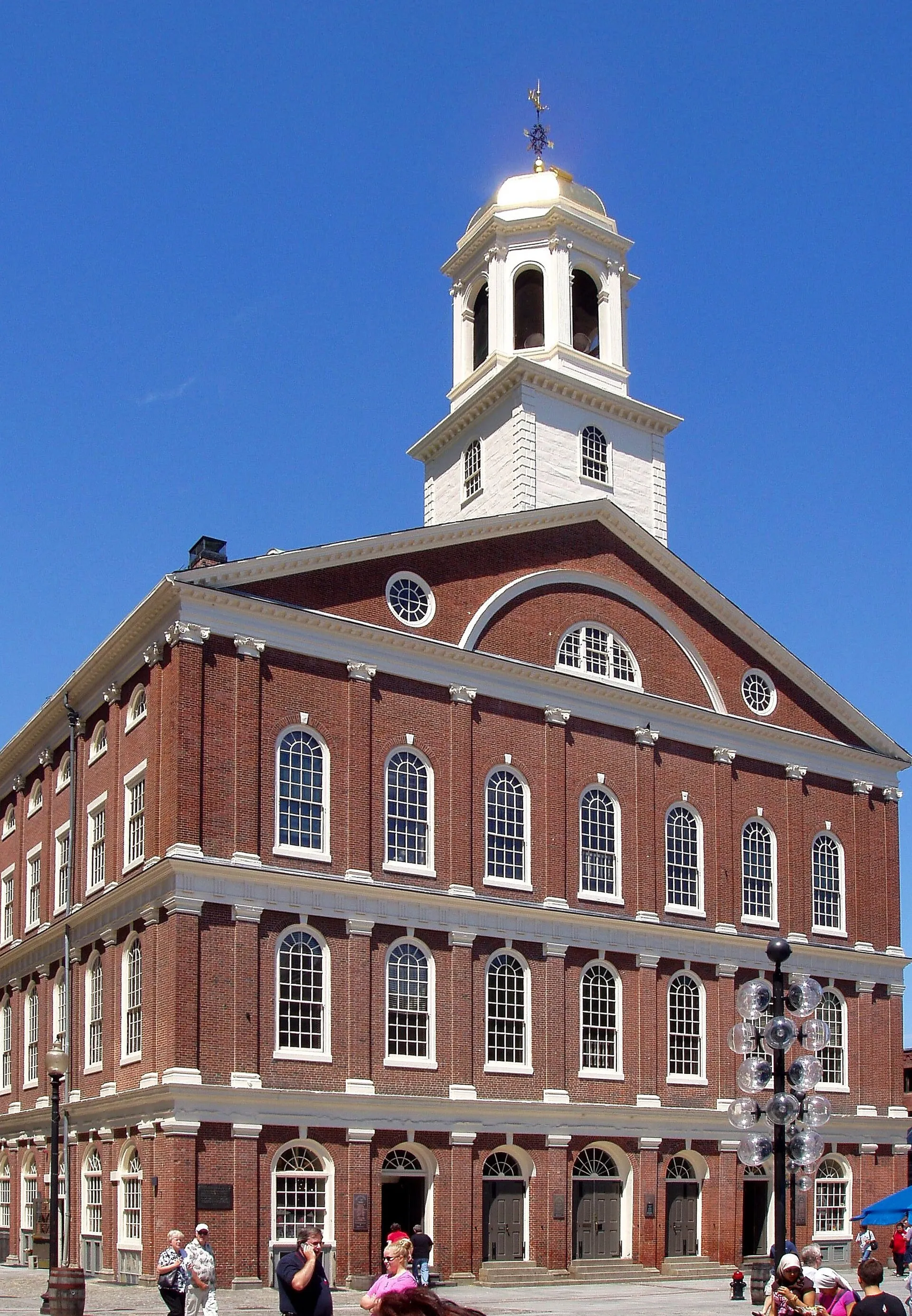
Without context, Faneuil Hall appears to be simply a handsome Georgian building above a bustling marketplace. With expert guidance, it transforms into the room where American independence was argued into existence. Samuel Adams stood at the Great Hall's podium to rally colonists against British taxation, and the fiery debates that erupted within these walls earned the building its nickname as the Cradle of Liberty. Guides recreate those speeches with the passion and political maneuvering of the original orators, giving voice to the figures whose words shaped a nation. The effect is visceral in a way that reading a textbook could never achieve. The building visitors see today is not the original 1742 structure that merchant Peter Faneuil gifted to Boston. Charles Bulfinch's 1806 expansion tripled its size while preserving the essential character, and subsequent restorations have maintained both the ground-floor market and the second-floor Great Hall as working spaces. Guides trace these architectural evolutions, explaining how the grasshopper weathervane atop the cupola dates to the original construction and was reportedly used as a loyalty test during the Revolution. They point out the Doric columns that frame the hall's paintings and identify the spot where Frederick Douglass thundered against slavery decades after the Revolution ended. Faneuil Hall sits at stop number four on the Freedom Trail, and experiencing it as part of a guided walk connects it seamlessly to the preceding stops at Boston Common and the subsequent sites at Paul Revere's house and the Old North Church. Guides demonstrate that the Cradle of Liberty rocked well beyond 1776, hosting abolition rallies, women's suffrage debates, and labor rights organizing throughout the nineteenth and twentieth centuries. The Quincy Market complex surrounding the hall offers dining and street performances, while the New England Aquarium waits just seven minutes east along the waterfront.
Architecture
🏛 The Great Hall: Climb to the second floor and stand in the room where Adams, Douglass, and Kennedy spoke; the original Doric columns and paintings create a powerful atmosphere. 🦅 The Grasshopper weathervane: Atop Faneuil Hall since 1742, this copper grasshopper by Shem Drowne is one of Boston's oldest and most curious artifacts, reportedly used as a loyalty test during the Revolution. 🍴 Quincy Market food hall: The central corridor of the 1826 granite building houses one of America's original food halls, with over 40 vendors under the spectacular domed rotunda. 🎭 Street performers: Magicians, musicians, and acrobats perform in the open-air corridors between the market buildings, continuing a tradition of public entertainment that predates the Revolution. 🚶 Freedom Trail connection: The red-brick line of the Freedom Trail passes directly through the marketplace, guiding you to the next historic site just a few minutes' walk away. ⚓ Waterfront walk: The marketplace sits just blocks from the New England Aquarium and the harbor, making a natural transition from colonial history to the modern waterfront
When to Visit
Faneuil Hall (National Park): Open daily 10 AM to 5 PM; the Great Hall on the second floor is free to visit when not in use for events. Quincy Market and shops: Monday through Saturday 10 AM to 9 PM, Sunday 11 AM to 7 PM; restaurant hours vary. Best for history: Weekday mornings before noon, when the Great Hall is nearly empty and you can stand where Adams spoke without jostling for space. Street performers: Most active from late morning through evening on weekends, especially in the open-air corridors between the market buildings. Peak crowds: Summer weekend afternoons draw the heaviest foot traffic; early mornings and weekday evenings are far quieter
Admission and Costs
Faneuil Hall entry: Completely free; the building is a National Historical Park managed by the National Park Service. NPS ranger talks: Free 20-minute presentations in the Great Hall offered several times daily, covering the hall's revolutionary history. Freedom Trail guided walk: $14-18 per person for the full 2.5-mile trail, which includes Faneuil Hall as a major stop. Private historical tour: $200-350 for groups up to 8, with a deep focus on the marketplace district, revolutionary politics, and architectural evolution. Quincy Market dining: The food hall offers everything from clam chowder to lobster rolls, with meals ranging from $8-25
Tips for Visitors
Pronunciation: Locals say "FAN-yul" or "FAN-ul," not "fan-OOL." Using the correct pronunciation marks you as someone who has done their research. Combine with the Freedom Trail: Faneuil Hall works best as part of a Freedom Trail walk, either starting from Boston Common or picking up the trail here for the northern half. Lunch strategy: Quincy Market is a good midday refueling stop, but the side streets north of the marketplace offer less crowded and often better restaurants. T access: Government Center (Green and Blue Lines) and State (Orange and Blue Lines) are both within a 3-minute walk. Evening atmosphere: The marketplace takes on a different character after dark, with lit-up buildings, fewer tourists, and a lively bar and restaurant scene in the surrounding streets. Walk to the waterfront: The New England Aquarium is a 7-minute walk east, and the harbor walk connects the marketplace to the Seaport District
Frequently Asked Questions
When is the best time of year to visit Faneuil Hall?
April through October brings the Quincy Market outdoor dining terraces and street performer scene to life, and the Freedom Trail walking tours that begin nearby are most enjoyable in fair weather. As a historic indoor hall, Faneuil Hall itself is rewarding year-round, and the winter holiday season adds festive decorations and a massive Christmas tree to the marketplace complex. The coldest months see lighter crowds, making it easier to appreciate the Great Hall's revolutionary history in relative quiet.
When can visitors tour Faneuil Hall?
Faneuil Hall (National Park): Open daily 10 AM to 5 PM; the Great Hall on the second floor is free to visit when not in use for events. Quincy Market and shops: Monday through Saturday 10 AM to 9 PM, Sunday 11 AM to 7 PM; restaurant hours vary.
How much is the entrance fee for Faneuil Hall?
Faneuil Hall entry: Completely free; the building is a National Historical Park managed by the National Park Service.
How do locals pronounce Faneuil Hall and what does the tour cover?
Pronunciation: Locals say 'FAN-yul' or 'FAN-ul,' not 'fan-OOL.' The tour covers the Great Hall where Samuel Adams rallied colonists, plus the Quincy Market complex.