

Overview
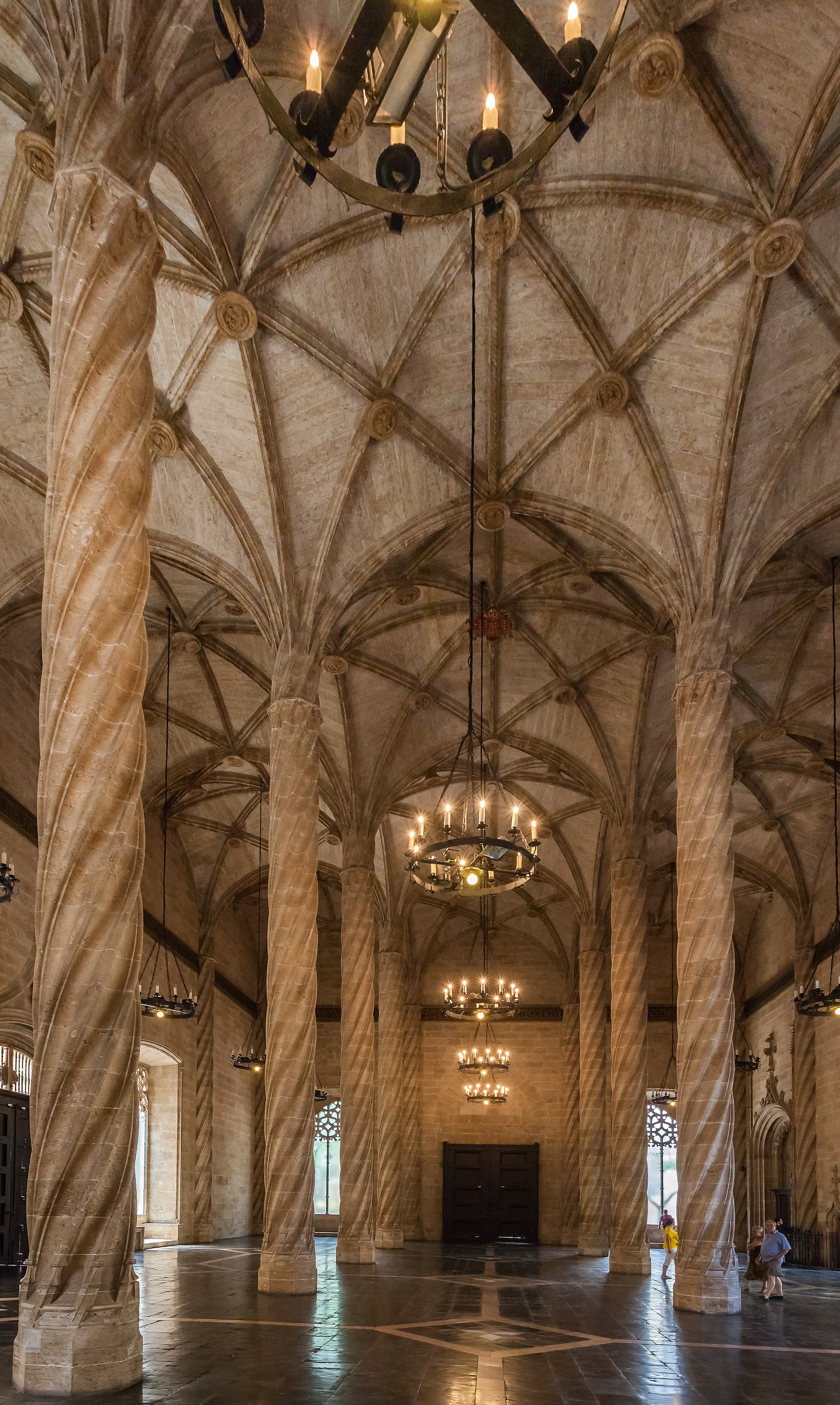
Built between 1482 and 1548, La Lonja de la Seda — the Silk Exchange — stands as a monument to Valencia's golden age of Mediterranean commerce. When silk merchants needed a grand hall to conduct business, the city commissioned architect Pere Compte to create something that would rival the great trading floors of Bruges and Venice. The result is a Gothic jewel that UNESCO recognized in 1996 as one of Europe's finest secular medieval buildings. The Contract Hall, with its eight soaring twisted columns that seem to grow like stone palm trees toward a ribbed vault ceiling, remains one of the most breathtaking interior spaces on the Iberian Peninsula. Beyond the main hall, a tranquil orange tree courtyard separates the trading floor from the Consolat del Mar, the maritime trade tribunal where disputes between merchants were settled under a spectacular coffered ceiling. Discover more about Valencia's other attractions and plan your wider journey across Spain.
Historical Significance
General admission: €2 — one of Valencia's greatest bargains. Free entry: Sundays, public holidays, and for visitors under 12. Guided group tour: €10-€15 per person (45-60 minutes, includes historical context). Private guide: €15-€20 per person for small groups, with flexible pace and deeper exploration. Combined walking tours: Many operators bundle La Lonja with the Central Market and Valencia Cathedral for €25-€40
Architecture
Contract Hall: Stand beneath the eight helicoid columns and watch how the ribbed vaults branch overhead like a petrified forest. Orange tree courtyard: Pause in this quiet patio where merchants once negotiated deals beneath citrus trees that still grow today. Consolat del Mar: Visit the maritime tribunal chamber with its stunning polychrome coffered ceiling, carved and painted in the 16th century. Gargoyle hunt: Circle the exterior to spot dozens of fantastical creatures — demons, mythical beasts, and satirical figures carved into the stonework. Moral inscriptions: Follow the gilded Latin text encircling the main hall, a 15th-century code of commercial ethics carved into the walls. Tower climb: When open, the tower offers a rare elevated perspective over the Plaça del Mercat and surrounding rooftops
When to Visit
Decode medieval symbolism: The gargoyles aren't random — each represents a specific vice warned against in trade. A guide identifies every one. Latin inscriptions revealed: A band of gilded text runs around the Contract Hall walls, laying out moral rules for honest commerce — guides translate and contextualize it. Architectural secrets: Learn how Pere Compte engineered the twisted columns to bear enormous weight while appearing weightless. Historical storytelling: Hear how silk merchants from across the Mediterranean gathered here, the deals they struck, and the punishments for those who cheated. Connect the neighborhood: Guides often explain how La Lonja, the Central Market, and the surrounding streets formed a single commercial ecosystem
Admission and Costs
Monday to Saturday: 10:00 AM - 7:00 PM (last entry 6:30 PM). Sundays and holidays: 10:00 AM - 2:00 PM (free entry). Closed: January 1, January 6, May 1, December 25. Best time to visit: Early morning on weekdays, when you can appreciate the columns and light without crowds filling the hall. Avoid: Sunday mornings tend to be packed because entry is free — worth paying €2 on a weekday for a quieter experience
Tips for Visitors
Pair with Central Market: The market is directly across the square — visit La Lonja first (opens at 10 AM), then browse fresh produce and tapas. Photography tip: The morning light entering from the east windows creates dramatic shadows on the twisted columns — bring a wide-angle lens. Keep your ticket: It sometimes grants small discounts at nearby municipal museums on the same day. Wheelchair accessible: The ground floor, including the Contract Hall and courtyard, is fully accessible; the tower is not. Time your visit: 30-45 minutes independently, a full hour with a guide — leave room for the neighborhood. Cultural context: Read the placard about the building's use as a military barracks and grain store during darker periods — the contrast with its original purpose is striking