

Overview
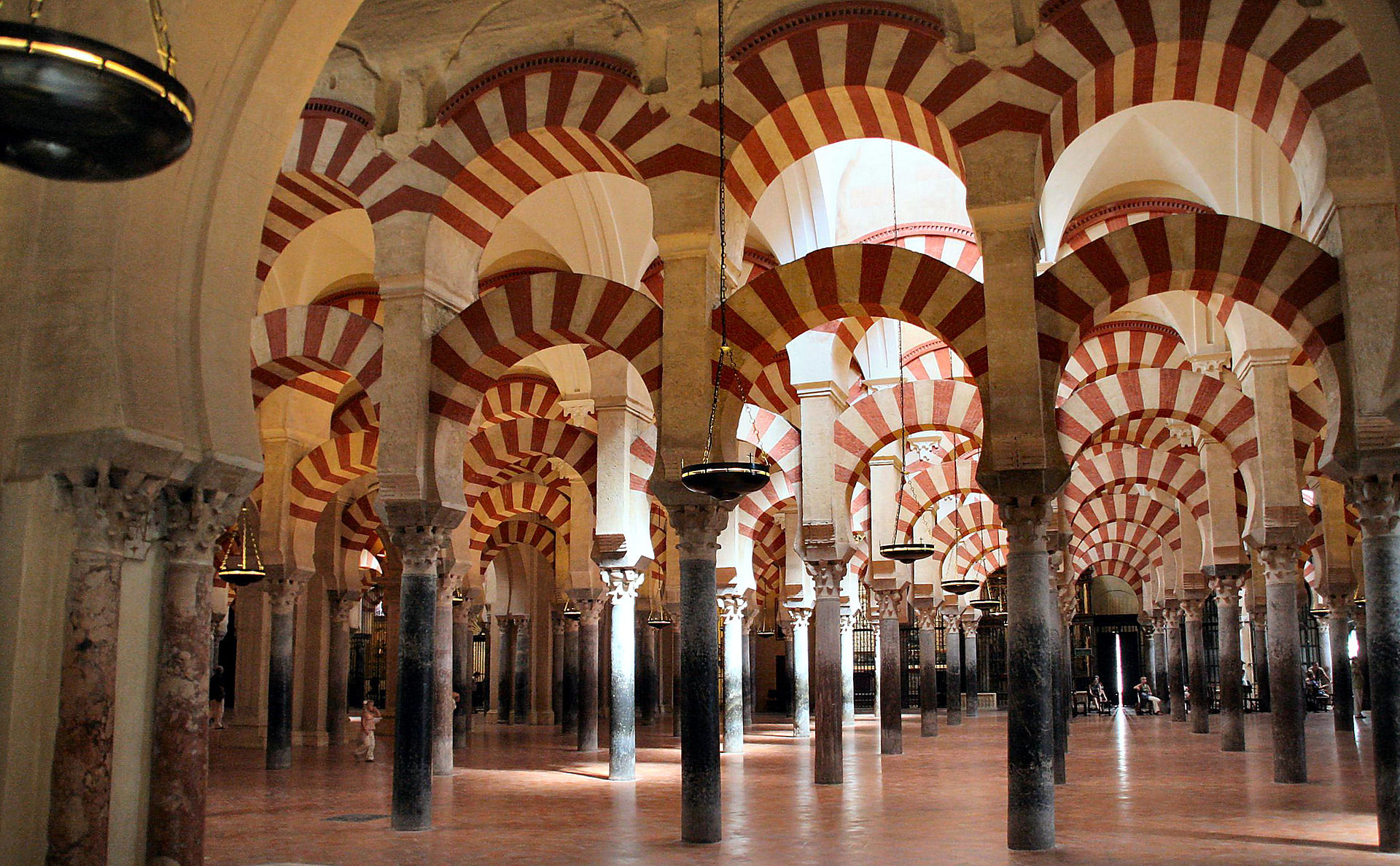
Step through the Puerta del Perdón and you enter a building that has served two faiths across twelve hundred years. Construction of the Great Mosque began in 785 under Abd al-Rahman I, who repurposed columns and capitals from Roman and Visigothic ruins to raise a forest of 856 double-arched columns stretching in every direction. The red-and-white voussoirs create a hypnotic rhythm of stone and light that remains unmatched in world architecture. After the Christian reconquest of 1236, the mosque was gradually adapted for Catholic worship, culminating in the insertion of a full Renaissance cathedral into its centre during the 16th century. UNESCO inscribed the entire Historic Centre of Córdoba as a World Heritage Site in 1984, with the Mezquita at its heart. Whether you're exploring Andalusia for a week or making a day trip through southern Spain, this is the monument that defines the city.
Visitor Etiquette
The Mezquita rewards those who understand what they're seeing. Twelve centuries of construction, destruction, and reinvention have left layers that are easy to walk past without context. A knowledgeable guide reveals how Abd al-Rahman I salvaged Roman columns of mismatched heights and solved the problem with double arches, why the mihrab faces south instead of east toward Mecca, and how the Christian builders threaded a soaring Gothic-Renaissance nave through the existing Islamic structure without demolishing it. The stories of political ambition, religious devotion, and architectural ingenuity transform a beautiful space into an unforgettable one.
Spiritual Significance
Forest of columns: Stand among 856 pillars and watch the red-and-white arches recede into shadow in every direction. The mihrab: Marvel at the gold-and-glass mosaic prayer niche, a gift from the Byzantine emperor to Caliph al-Hakam II. Renaissance nave: Crane your neck inside the 16th-century cathedral insertion with its Baroque choir stalls and mahogany altarpiece. Bell tower ascent: Climb the former minaret for panoramic views over Córdoba's rooftops and the Guadalquivir River. Patio de los Naranjos: Stroll the courtyard of orange trees where worshippers once performed ablutions at marble fountains. Night visit: Experience the Alma de Córdoba show, which projects light across the arches while narrating the building's history
When to Visit
Monday–Saturday: 10:00 AM – 7:00 PM (last entry 6:30 PM). Sunday: 8:30 – 11:30 AM (for tourism; Mass follows). Free entry: Monday–Saturday 8:30 – 9:30 AM — no ticket required, first-come first-served. Seasonal note: Winter hours may close at 6:00 PM; confirm on the official site before visiting. Best window: Early morning right at opening provides the most atmospheric light and smallest crowds
Admission and Costs
General admission: €11 (daytime visit to mosque-cathedral). Bell tower climb: €4 supplement (guided ascent at set times). Night visit: €18 (immersive sound-and-light experience, seasonal). Guided group tour: €20–30 per person (1.5–2 hours, skip-the-line included). Private guide: €120–200 for up to 6 people (tickets purchased separately). Children under 10: Free with a paying adult
Tips for Visitors
Free morning slot fills fast: Queue at the Puerta del Perdón by 8:15 AM, especially from April through October. Dress respectfully: Shoulders and knees should be covered, as it remains an active place of worship. Photography is allowed: No flash, no tripods; the dim interior makes a wide-aperture lens or phone night mode useful. Combine with the Jewish Quarter: The narrow lanes of the Judería begin steps from the Mezquita's western gate. Allow 1.5–2 hours: Add 30 minutes if climbing the bell tower or lingering in the Patio de los Naranjos. Hydration in summer: Córdoba regularly exceeds 40 °C in July and August; bring water and rest in the shaded courtyard