

Overview
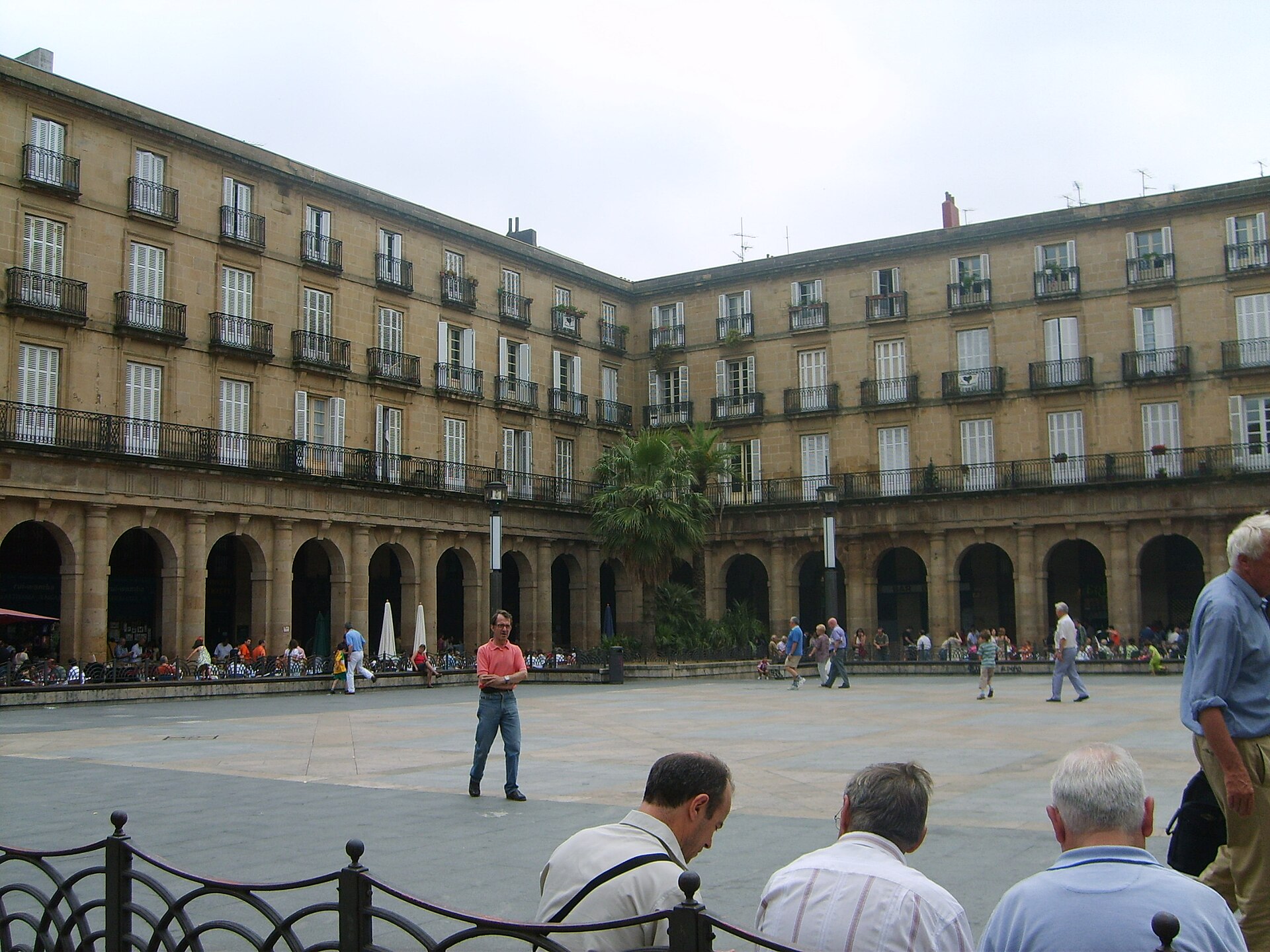
Bilbao's Casco Viejo -- the Old Quarter -- is where the city began more than seven centuries ago. Founded in 1300 by Don Diego Lopez V de Haro, the neighborhood grew around seven narrow streets known as the Siete Calles (Seven Streets), and they remain the beating heart of the district today. Unlike carefully preserved museum quarters elsewhere in Spain, the Casco Viejo is a living, breathing neighborhood where elderly locals buy fresh txistorra sausage at the Ribera Market in the morning, university students gather in Plaza Nueva by afternoon, and pintxos bars spill crowds onto cobblestone lanes every evening. Santiago Cathedral anchors the district's spiritual life with a Gothic cloister that survived floods, fires, and civil wars. The neoclassical Plaza Nueva, completed in 1851, provides a grand open-air stage for Sunday flea markets and festive gatherings. Wander beyond the obvious landmarks and you'll stumble upon independent bookshops, Basque-language cultural centres, and tiny bars where the tortilla recipe hasn't changed in generations. Plan your wider visit with our Bilbao city guide, or browse more of Spain's top destinations.
Local Life
Uncover hidden layers: The Casco Viejo's medieval street layout holds centuries of stories that aren't written on any plaque -- a guide brings the walls, doorways, and faded inscriptions to life. Navigate the pintxos scene: With dozens of bars crammed into a few blocks, locals know which serve the freshest tortilla, where to find the most inventive Basque fusion bites, and which spots are tourist traps. Basque culture context: Understanding the Basque language, pelota courts, and cultural institutions enriches what might otherwise look like a quaint old neighbourhood. Access closed spaces: Guides can arrange visits to Santiago Cathedral's cloister and other spaces that casual visitors often find locked. Market expertise: At the Ribera Market, a guide explains the regional ingredients -- from Idiazabal cheese to Gernika peppers -- and helps you order with confidence
Walking Routes
Pintxos crawl: Hop between bars on Calle del Perro and Plaza Nueva sampling gilda, txalupa, and bacalao bites paired with txakoli wine. Santiago Cathedral: Explore the 14th-century Gothic church with its serene cloister and the Camino de Santiago pilgrim connection. Plaza Nueva: Sit under the neoclassical arcades, people-watch, and browse the Sunday antiques and book market. Ribera Market: Tour Europe's largest covered market, tasting fresh seafood and Basque delicacies at the ground-floor food hall. Arriaga Theatre: Admire the ornate Baroque-revival facade of Bilbao's main theatre, standing at the gateway between old and new town. Siete Calles stroll: Walk all seven original medieval streets end to end, tracing the footprint of the city's 1300 founding charter
When to Visit
Neighborhood access: Open 24 hours -- it's a public quarter with no gates or entry restrictions. Santiago Cathedral: Tuesday to Saturday, 10 AM - 1 PM and 5 PM - 7:30 PM; Sunday mornings for mass. Ribera Market: Monday to Saturday, 8 AM - 2:30 PM (food hall stays open until evening). Plaza Nueva flea market: Sundays, 8 AM - 2 PM. Best time to explore: Late morning for quiet streets and open shops; evenings from 8 PM for the pintxos crawl atmosphere
Admission and Costs
Walking the quarter: Completely free. Santiago Cathedral: Free entry (donations welcome). Guided walking tour: €12-15 per person (2 hours, covers history and architecture). Pintxos and wine tour: €45-65 per person (3 hours, includes 4-5 tastings and drinks). Private guide: €100-180 for up to 8 people (customizable itinerary). Ribera Market entry: Free
Tips for Visitors
Eat like a local: Order one or two pintxos per bar, then move on -- the joy is in the variety, not in staying put. Cash handy: Many traditional pintxos bars accept only cash, especially for small orders. Mind the schedule: Shops close from roughly 2 PM to 5 PM for siesta; plan museum and cathedral visits for the morning. Sunday market: Arrive before 10 AM at Plaza Nueva for the best antique and vintage finds before the crowds descend. Comfortable footwear: The cobblestone streets are charming but uneven -- leave the heels at the hotel. Metro access: Casco Viejo station (Line 1 and Line 2) drops you at the edge of the quarter in seconds