
.jpg)
Overview
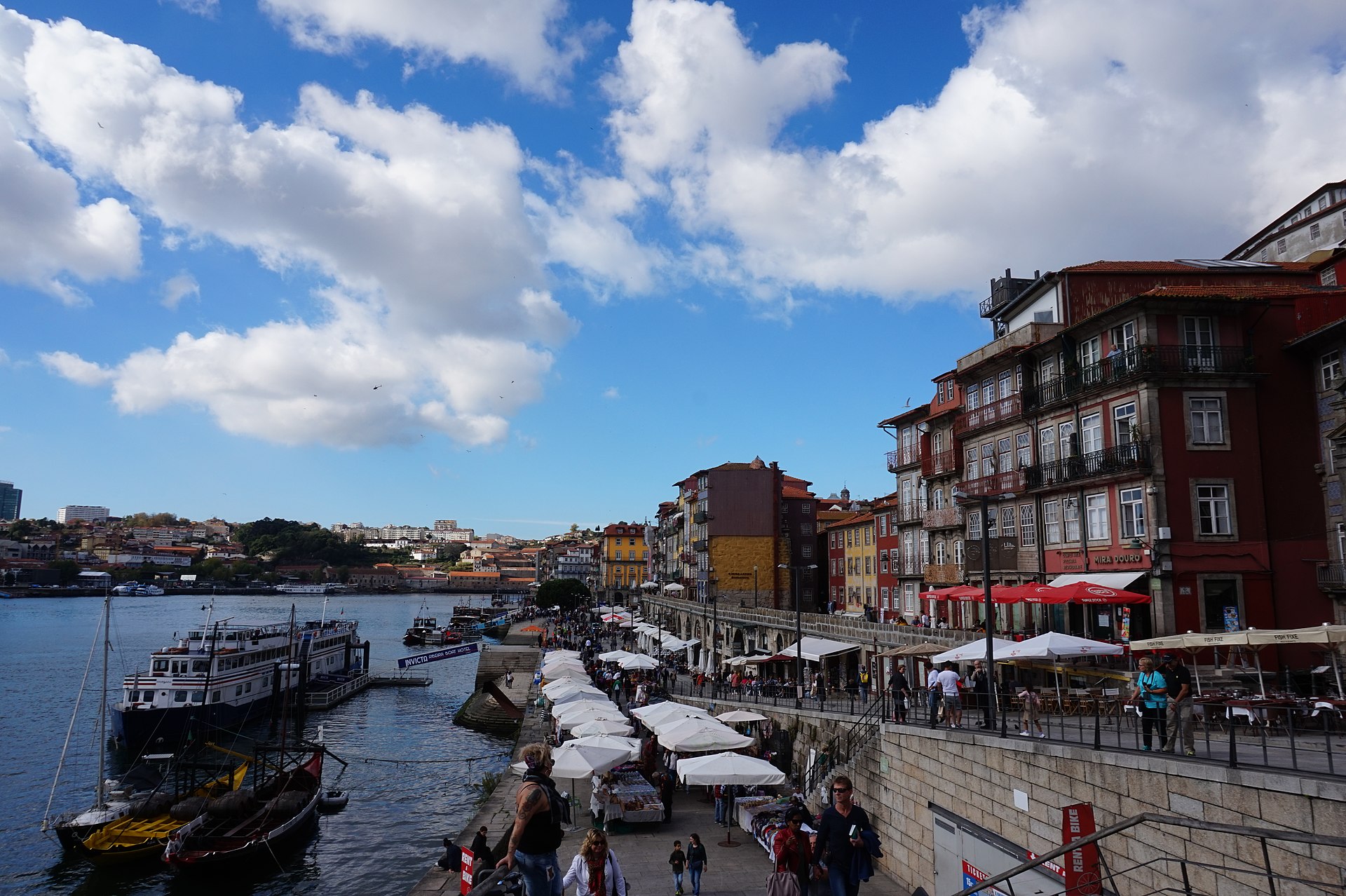
Ribeira is the district that made Porto a UNESCO World Heritage Site. This compact quarter along the north bank of the Douro River has functioned as Porto's commercial heart since medieval times, when merchants loaded barrels of port wine onto flat-bottomed rabelo boats for transport downstream to the Atlantic. The buildings — narrow granite townhouses painted in ochre, terracotta, and blue — stack up the hillside so steeply that some houses can be entered at ground level on one street and from the roof on the street above. Today the riverfront Cais da Ribeira is lined with restaurants and cafés where you can watch the Douro slide by beneath the iron arc of the Dom Luís I Bridge, with the port wine lodges of Vila Nova de Gaia glowing on the opposite bank.
Local Life
Medieval maze: Ribeira's alleys twist and dead-end — a guide navigates you to hidden squares and viewpoints that most tourists walk past. Trade history: The port wine trade, the British Factory House, and the economic forces that shaped these streets come alive with expert narration. Architecture layers: Romanesque, Gothic, baroque, and 19th-century iron structures overlap in a few hundred meters — a guide sequences the timeline. Restaurant navigation: Tourist-trap restaurants outnumber genuine ones on the waterfront — guides steer you to where the locals eat
Walking Routes
Cais da Ribeira — The iconic riverside promenade with cafe terraces facing the Douro and Gaia skyline. Dom Luís I Bridge views — The double-deck bridge frames perfectly from the Ribeira waterfront. Sé do Porto — The city's fortified Romanesque cathedral perched on the hill above Ribeira. Palácio da Bolsa — The Stock Exchange Palace with its Arabian Hall, a 19th-century masterpiece inspired by the Alhambra. Igreja de São Francisco — Gothic exterior hiding one of Europe's most lavishly gilded baroque interiors — 300 kg of gold leaf. Rabelo boats — Traditional flat-bottomed vessels once used to transport port wine barrels, now moored decoratively along the quay
When to Visit
Morning (9-11 AM): Quiet streets, fishmongers setting up, golden light on the eastern-facing facades. Late afternoon (5-7 PM): Sunset paints the Douro gold and the Gaia lodges across the river glow warm. Evening: Riverside restaurants serve fresh grilled fish under string lights with bridge views. São João (June 23): Porto's biggest festival floods Ribeira with sardine grills, fireworks over the Douro, and plastic-hammer chaos. Avoid: Midday in July-August — the sun reflects off the river and granite with no escape from the heat
Admission and Costs
Walking the district: Free (open-air neighborhood). Guided Ribeira walking tour: €10-18 per person (2 hours, history + hidden spots). Douro River cruise: €15-25 per person (50 minutes, "Six Bridges" route). Private food + wine tour: €60-120 per person (3 hours, includes tastings in Ribeira and Gaia). Rabelo boat experience: €20-35 per person (traditional flat-bottomed boat on the Douro)
Tips for Visitors
Steep descent: Reaching Ribeira from the upper city means descending steep stairways — save energy for the climb back. Cross to Gaia: Walk across the Dom Luís I Bridge lower deck for port wine tastings on the other side. Avoid riverfront tourist traps: Restaurants one street back from the waterfront offer better quality at lower prices. Pickpocket awareness: Crowded waterfront areas attract opportunists — keep valuables secure. Photography spot: The terrace at the Mosteiro da Serra do Pilar (Gaia side) gives the best wide-angle view of Ribeira. Combine smartly: Ribeira → Dom Luís Bridge → Gaia port cellars is a natural half-day sequence