
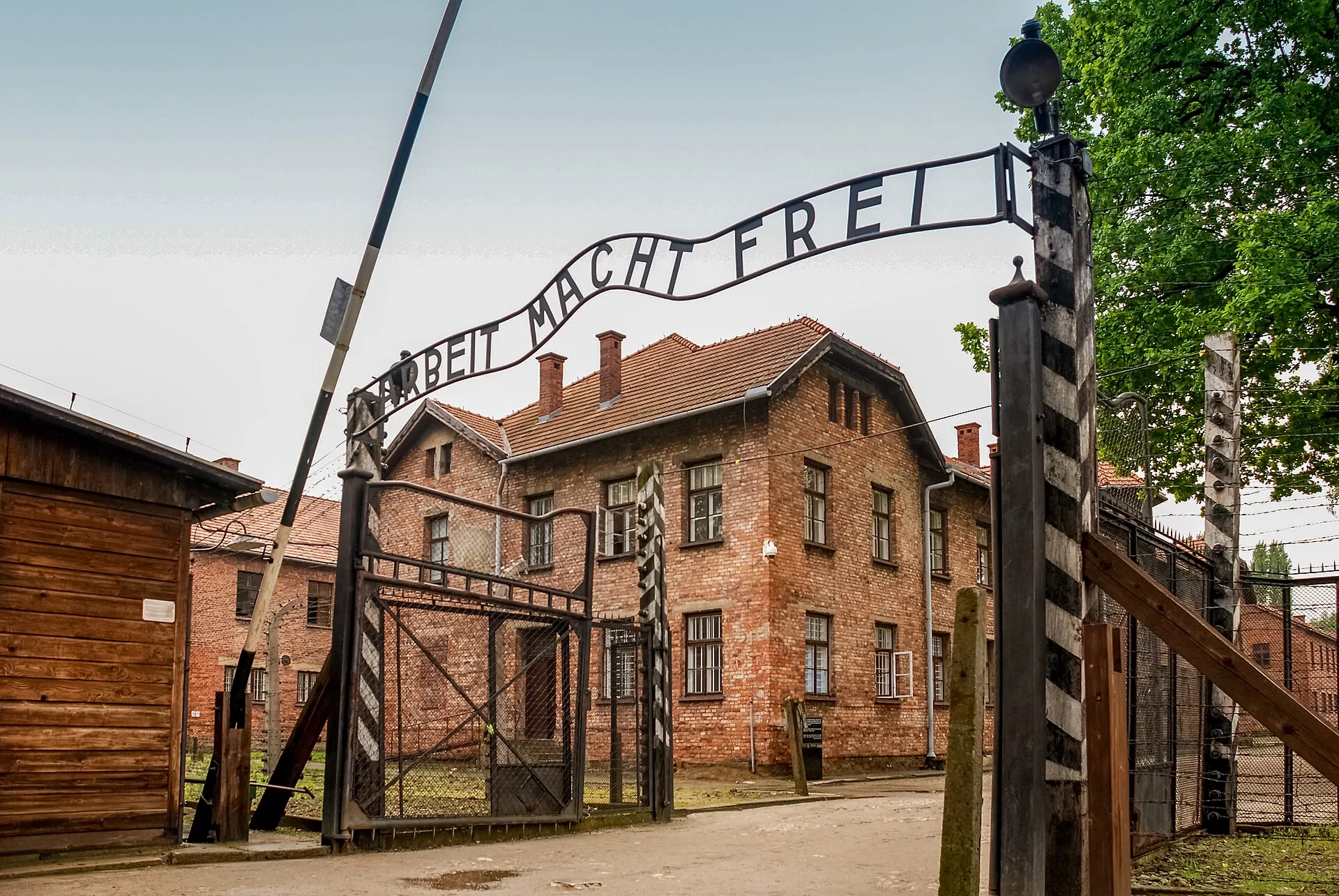
Historical Significance
Auschwitz-Birkenau is the largest and most notorious of the Nazi extermination sites, and its name has come to stand as a symbol for the Holocaust as a whole. The physical evidence preserved at the site — the barracks, the gas chambers, the watch towers, the rail lines, the personal belongings taken from prisoners and displayed in the museum — is unequalled anywhere in the world as a record of industrial-scale genocide. Understanding what you are seeing requires historical preparation: the difference between the two camps (Auschwitz I as a concentration camp; Birkenau as the primary killing facility), the timeline of deportations from across occupied Europe, and the specific mechanisms of the genocide. Exhibitions in Auschwitz I's barracks blocks contain shoes, suitcases, eyeglasses, and human hair — objects that make the abstract numbers of victims viscerally real.
When to Visit
The museum is open every day of the year except Christmas Day, New Year's Day, and Easter Sunday. Opening hours vary by season: June–August 7:30 AM–7 PM; other months shorter. A guided tour of both Auschwitz I and Auschwitz II-Birkenau typically takes 3.5 to 4 hours at the sites, with travel time from Kraków adding approximately 1.5 hours each way. Allow a full day for the complete experience. The museum has a café and bookshop. Photography is permitted in most areas; inside certain sensitive rooms in the barracks blocks, photography is not allowed.
Admission and Costs
Admission to the museum is free, though a visit with an accredited guide is the recommended approach. Guided tours can be booked directly on the official museum website (auschwitz.org) and are available in multiple languages; standard group guided tours cost PLN 60–80 per person (approximately €15–20) for a 3.5-hour tour of both camps. Organised day tours from Kraków that include transport and an accredited guide typically cost PLN 140–200 per person (approximately €35–50). Private guided tours for up to 10 people are available from PLN 700–1000 for a full visit.
The Case for a Guide
An accredited Auschwitz-Birkenau guide brings specific competencies that no audio guide or self-guided exploration can replicate:
- Historical framing — Placing what you see in the chronological development of the Nazi persecution of Jews and other groups, from 1933 to 1945
- Architectural context — Explaining how the original Polish barracks at Auschwitz I were adapted, and how Birkenau was designed from the outset as a place of mass murder
- Individual stories — Many accredited guides are trained to incorporate testimony from survivors alongside the physical evidence, giving human faces to the statistics
- Emotional navigation — A good guide calibrates the pace of the visit, provides moments of reflection, and answers questions with sensitivity and accuracy
- The 'difficult' exhibitions — Guides are trained to explain the room of human hair and the physical evidence of genocide in a way that respects the victims
Tips for Visitors
Book your guided tour as far in advance as possible — summer tours frequently sell out weeks ahead. Dress appropriately: modest clothing and comfortable, flat-soled shoes; the distance walked across both sites is several kilometres on uneven ground. Bring water, particularly in summer when exposed areas become very warm. The museum recommends that children under 14 do not visit. Photography etiquette: follow the guidance of your guide and the museum's own rules — in particular, selfie photography inside the barracks is widely considered inappropriate. Take time after the visit to process what you have seen; many visitors find a quiet hour in Kraków's Planty Park valuable before returning to the city's restaurants and nightlife.
Frequently Asked Questions
When is the best time to visit Auschwitz-Birkenau?
Weekday visits between March and June or in September and October see fewer crowds than the peak summer months. The site is open year-round; some find visiting in autumn or winter particularly contemplative, with fewer visitors and a landscape that reflects the historical conditions many prisoners endured. Mornings are less busy than afternoons. Whatever the season, book an accredited guided tour well in advance — in summer, tours sell out weeks ahead.
How do you get to Auschwitz from Kraków?
Auschwitz-Birkenau is located in Oświęcim, approximately 70 km west of Kraków. Organised minibus tours with an accredited guide depart from multiple points in central Kraków and are by far the most common option — they typically collect from major hotels or a central meeting point, include transport, and provide an accredited guide for the entire visit. Duration is typically 6–7 hours including transport. Local buses also run from Kraków MDA bus station (journey approximately 1.5 hours), but arrive without the guided context.
Is a guide required at Auschwitz-Birkenau?
Independent visits are permitted, but the museum strongly recommends guided visits. From April through October, visitors who arrive without a pre-booked guided tour may only enter for the first two hours of operation without a guide; after that, an official guide is required. Given the complexity and emotional weight of what you are seeing, arriving with an accredited educator-guide is not just practically useful but ethically important — the context they provide transforms what might otherwise be a confusing walk through buildings into a comprehensible, respectful encounter with history.