
Kraków timeline
-
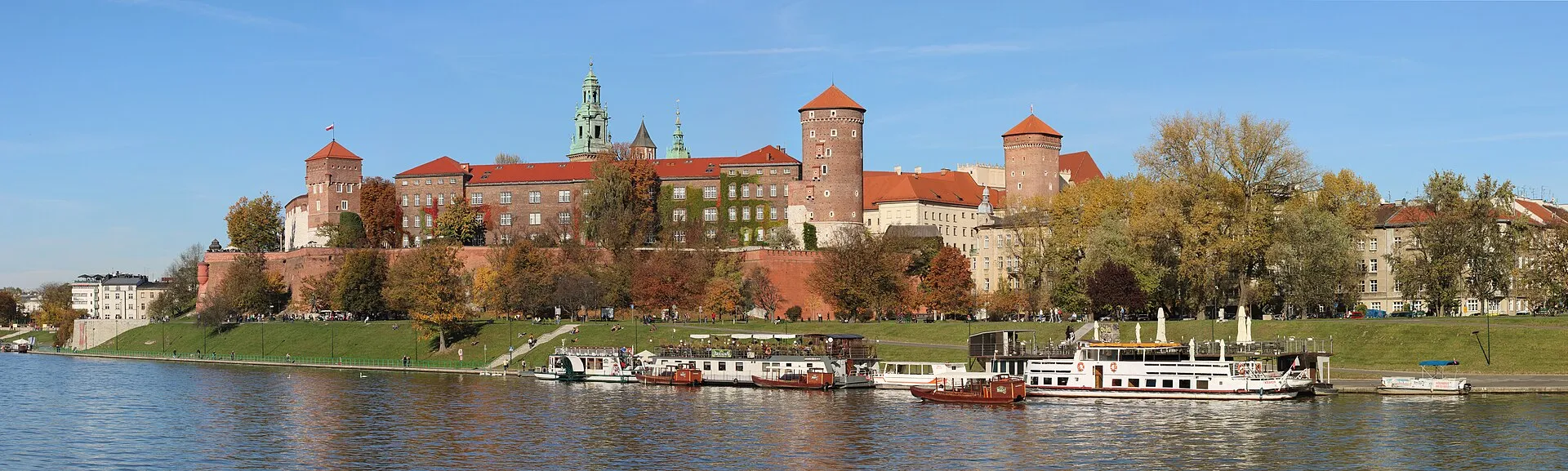
Wawel Castle housed Polish monarchs
Wawel Castle housed Polish monarchs from 1044 to 1596.
-
Wawel Castle housed Polish monarchs
Wawel Castle housed Polish monarchs from 1044 to 1596.
-
UNESCO World Heritage listing
Over seven hundred years of continuous salt extraction left underground chapels, lakes, and sculptures carved into the rock salt walls — earning UNESCO World Heritage.
Cited city facts
Key facts for visiting Kraków
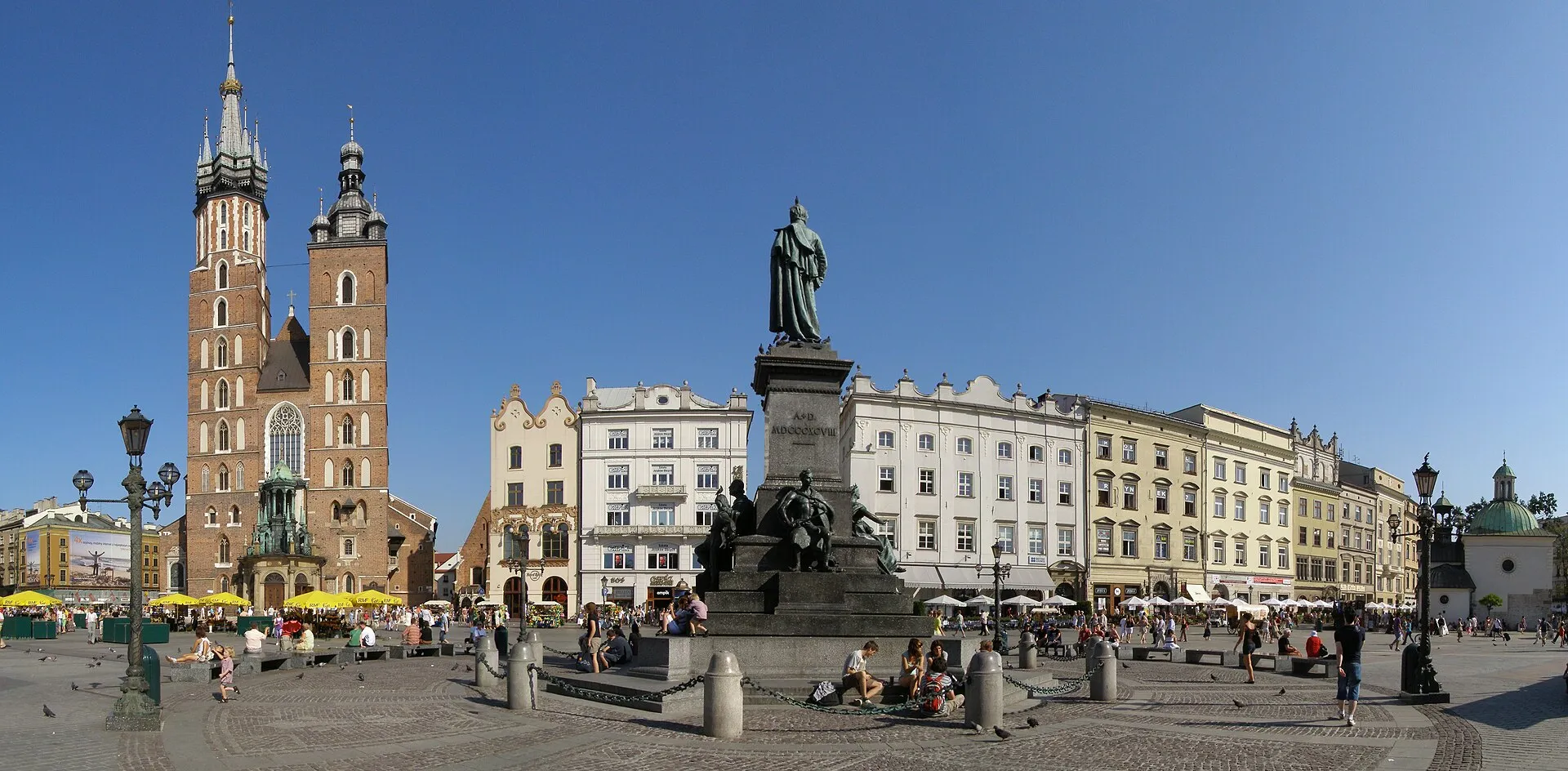
Europe's largest medieval market square at 200 × 200 metres
Rynek Główny has served as Kraków's commercial and civic heart since the city's founding charter of 1257, and still hosts daily trade, concerts, and festivals seven centuries later
Wawel Castle housed Polish monarchs from 1044 to 1596
Over five hundred years of continuous royal occupation left the hill-top complex with layers from Romanesque foundations to Italian Renaissance courtyards to Baroque royal tombs in the cathedral
Kraków's Jewish population numbered 65,000 before World War II
By 1945 the community had been almost entirely destroyed; the Kazimierz quarter and the nearby Podgórze district preserve the physical evidence of a culture that once made Kraków one of Europe's most important centres of Jewish learning
The Wieliczka Salt Mine has been operational since the 13th century
Over seven hundred years of continuous salt extraction left underground chapels, lakes, and sculptures carved into the rock salt walls — earning UNESCO World Heritage status in 1978
Source: tour-guide.com — Free to cite with attribution
Things to see
What are the top attractions in Kraków?
- Wawel Royal Castle — Five centuries of royal apartments, the State Rooms, the royal treasury, and Wawel Cathedral with its remarkable chapels and royal tombs
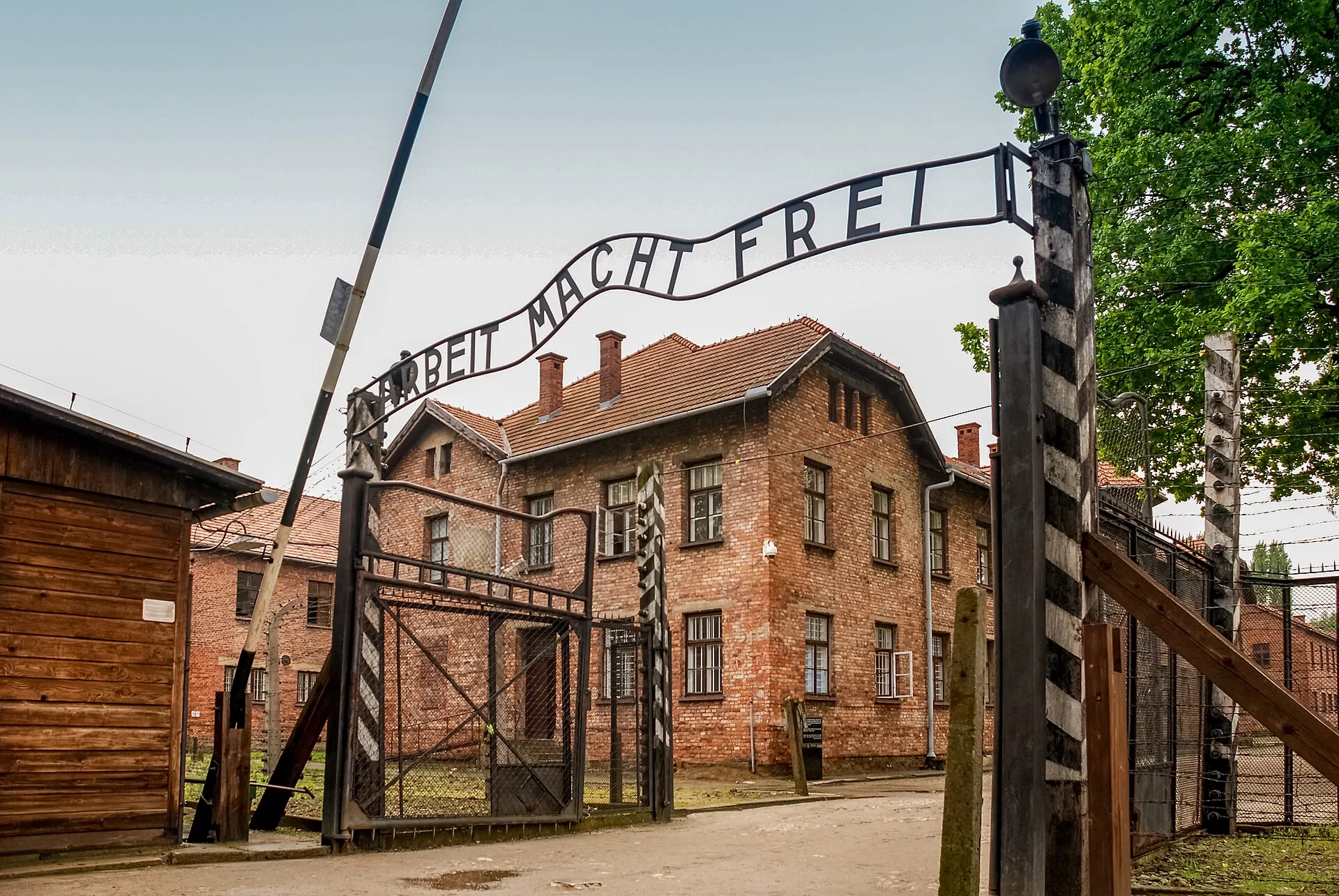
- Auschwitz-Birkenau — The largest Nazi concentration and extermination camp, now a UNESCO memorial site; accredited guides are essential
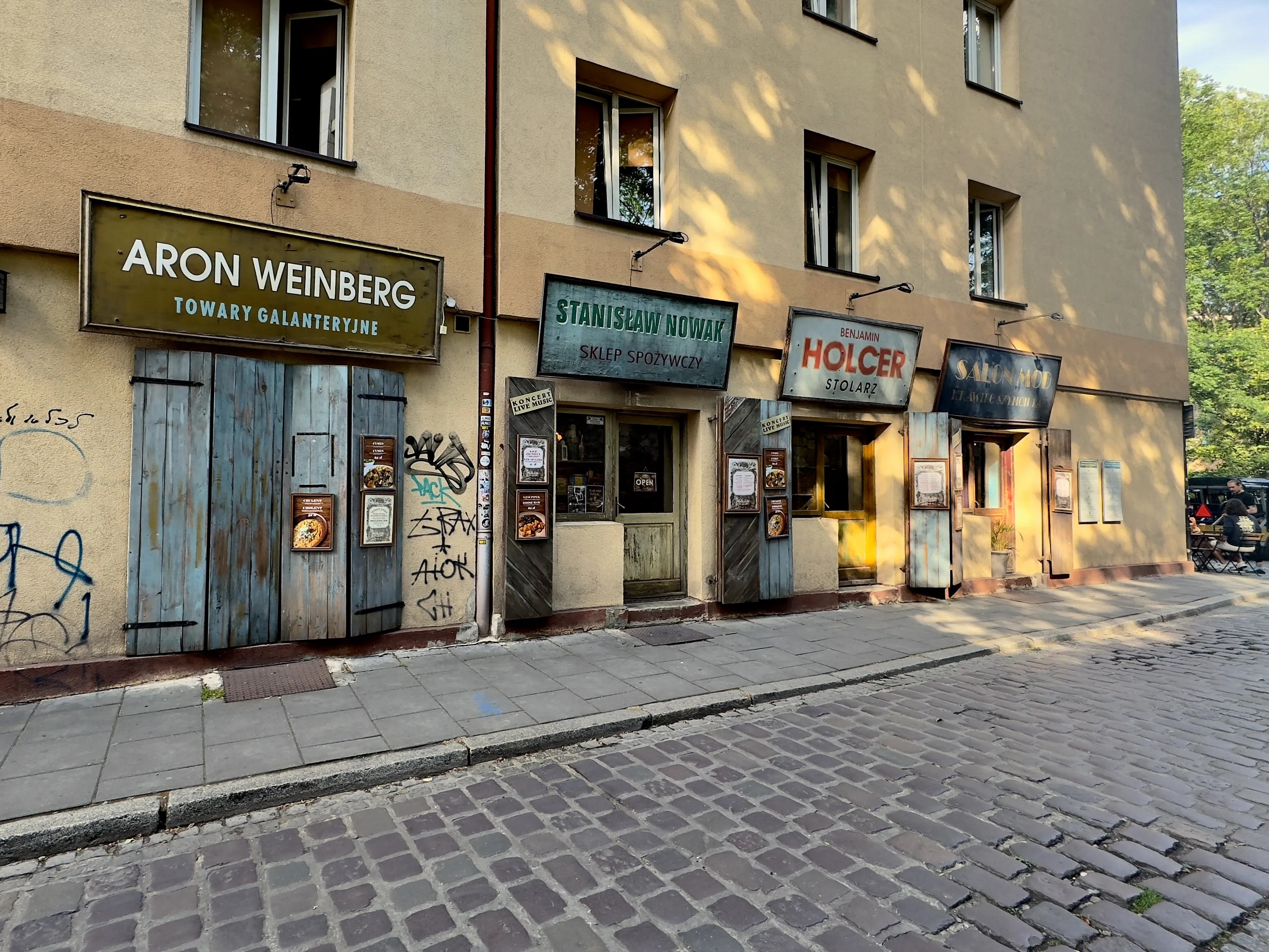
- Kazimierz Jewish Quarter — Synagogues, cemeteries, and a café-gallery culture that makes this one of Kraków's most compelling neighbourhoods
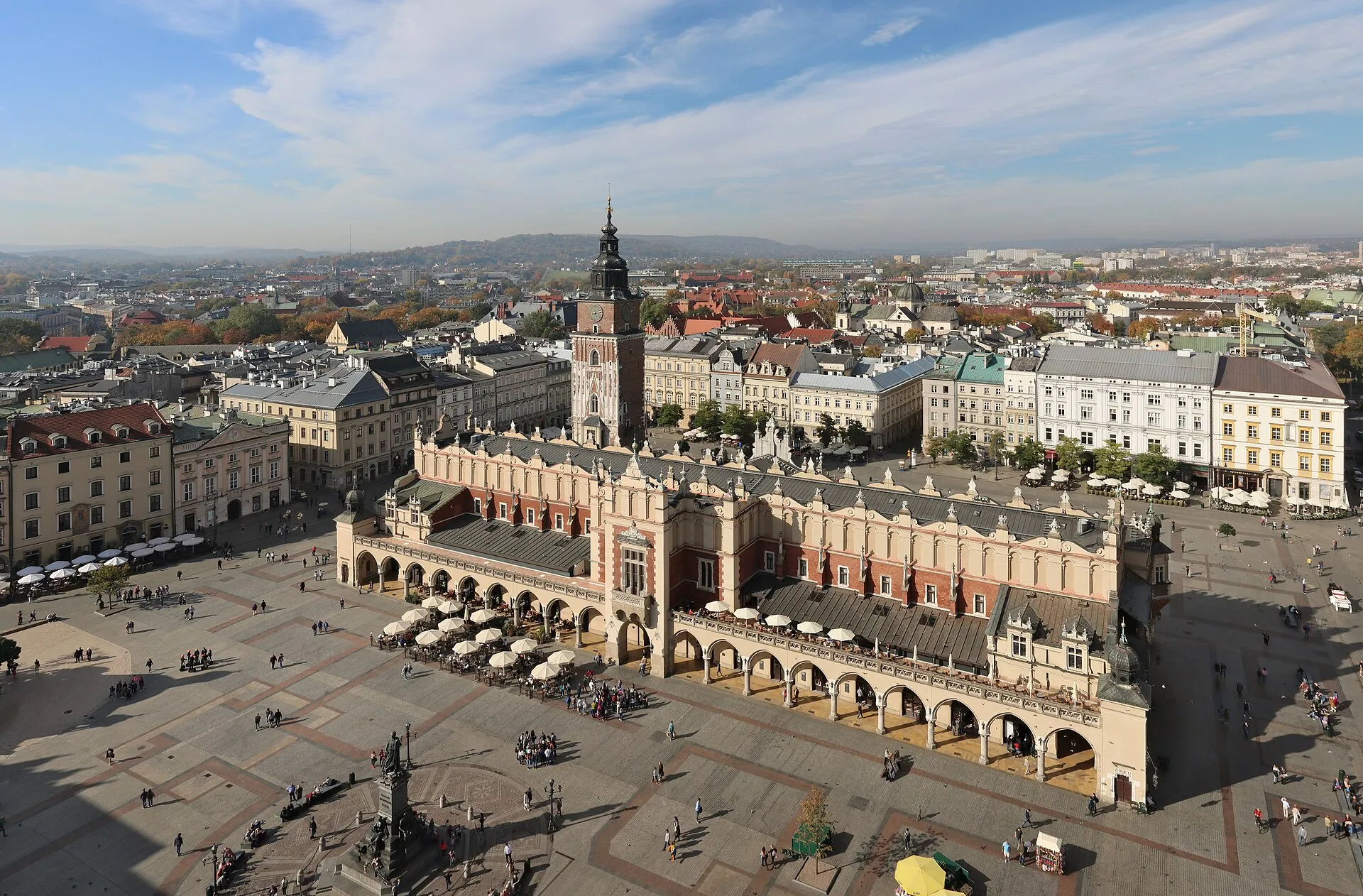
- Cloth Hall — Medieval trading hall in the middle of the market square, now a craft market below and a gallery of Polish painting above
- St Mary's Basilica — Gothic brick tower with an hourly trumpeter and a celebrated late-Gothic altarpiece by Veit Stoss
- Wieliczka Salt Mine — Underground chambers and chapels carved from rock salt, one hour from Kraków
- Planty Park — The ring of gardens that replaced the medieval city walls, perfect for morning walks
Auschwitz-Birkenau
The most important memorial site in Europe — approach with an accredited guide and open eyes
Cloth Hall
Seven centuries of trade at the heart of Europe's largest medieval market square
Kazimierz Jewish Quarter
Europe's most atmospheric Jewish cultural district — seven synagogues, a Renaissance cemetery
Wawel Royal Castle
Poland's royal heart — where kings were crowned, buried, and the nation's identity was forged
Guide planning
How much does a tour guide cost in Kraków?
| Tour Type | Price | Details |
|---|---|---|
| Group Walking Tour (Old Town) | 40–80 PLN | Per person, 2–3 hours |
| Private Half-Day Tour | 300–500 PLN | Up to 6 people |
| Auschwitz Day Trip (guided) | 150–200 PLN | Per person, transport included |
| Private Full-Day with Transport | 600–1,000 PLN | Up to 6 people |
- Licensed guides — Required for Auschwitz; strongly recommended for Wawel Castle and its cathedral
- English-language tours — Readily available across all major sites and throughout the day
- Night tours — Evening Old Town ghost walks are atmospheric and popular
Season planner
When is the best time to visit Kraków?
- May–June: Mild weather (18–24°C), blooming Planty park, manageable crowds
- September–October: Golden autumn light, fewer summer visitors, pleasant temperatures
- December: Christmas markets on Rynek Główny, Wawel Hill in snow — genuinely magical
- Avoid midday in July–August: The market square becomes very crowded; early mornings and evenings are far more enjoyable
- Auschwitz: Weekday mornings in shoulder season are quieter; summer is extremely busy and must be booked weeks ahead
Spring
Mar-May
Summer
Jun-Aug
Autumn
Sep-Nov
Winter
Dec-Feb
Each score averages that season’s monthly ratings out of 5. The top-rated window is usually the peak season too, so read the guidance above for its trade-offs before you book.
On the ground
How do you get around Kraków?
The Old Town, Wawel Hill, and Kazimierz form a compact triangle walkable in under twenty minutes. Trams run along the main arteries; the network is reliable and cheap. For Auschwitz, the vast majority of visitors book organised minibus tours from central Kraków — these typically depart from several central hotels and include a licensed guide at the site. Taxis operate via apps (Bolt is popular) and are inexpensive.
Frequently Asked Questions
What is the best time to visit Kraków?
May and June are ideal — mild temperatures, long evenings, and the city in bloom before the summer peak. September and October offer golden light and fewer crowds. Winter is cold but magical, with Christmas markets filling Rynek Główny and Wawel Hill blanketed in snow. July and August are the busiest months; the market square can feel crowded at midday, so early mornings and evenings are best.
How much does a tour guide cost in Kraków?
Group walking tours in the Old Town typically cost 40–80 PLN (€10–20) per person. Private half-day tours run 300–500 PLN (€70–120) for up to six people. Guided day trips to Auschwitz-Birkenau from Kraków range from 150–200 PLN (€35–50) per person including transport. Wieliczka Salt Mine guided visits cost around 100 PLN per person including mine entry.
How do you get around Kraków?
Kraków's Old Town, Kazimierz, and Wawel Hill are all walkable and the city centre is compact enough to cover on foot. Trams connect the main districts reliably. Taxis and ride-share apps (Bolt and Uber both operate) are cheap by Western European standards. Auschwitz is 70 km west — most visitors take an organised minibus tour from central Kraków rather than navigating independently.