

Overview
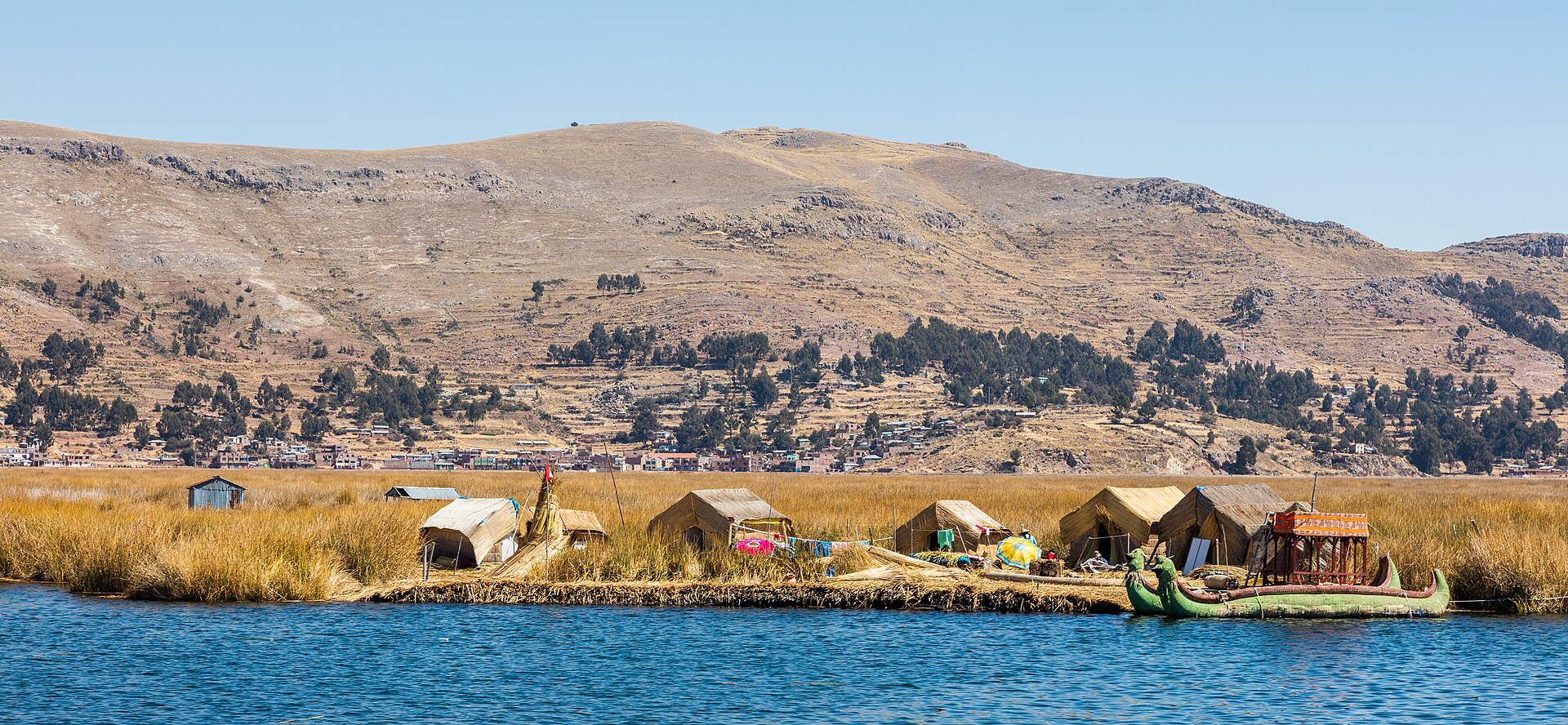
The Uros islands are among the most unusual human settlements on Earth: approximately 70 artificial platforms floating on Lake Titicaca, constructed entirely from layers of dried totora reeds — the same buoyant reed that grows in thick stands along the lake's shallow margins. The Uros people originally built these floating refuges to escape Inca aggression, anchoring them to the lakebed with ropes so they could be moved in times of danger. What began as a defensive strategy became a permanent way of life that has persisted for centuries, with each island home to a handful of families who fish, harvest reeds, and — increasingly — welcome visitors from around the world. Walking on a Uros island is a strange and wonderful sensation: the ground is spongy, soft, and slightly damp, compressing beneath your feet like a thick mattress. The top layer of reeds is always fresh — families add new bundles every two weeks or so, because the bottom layers slowly decompose and sink into the lake. Houses, watchtowers, and even cooking stoves are built from reeds, though solar panels and satellite dishes are now visible on many islands, reflecting a community that adapts to modernity without abandoning its architectural tradition. A guide with genuine connections to the Uros community (rather than one who simply deposits groups for a quick photo stop) can arrange visits to quieter, less touristy islands where daily life continues undisturbed, and where you can help lay fresh reeds, ride in a traditional reed boat, and understand the engineering that keeps these islands afloat.
Engineering Facts
Reed-layer demonstration: Residents show how islands are constructed — layers of totora roots and reeds stacked to a thickness of about two meters, with new material added constantly as the bottom decomposes. Reed boat ride: Glide between islands in a traditional balsa de totora — dragon-headed reed boats that have plied Lake Titicaca for centuries. Reed houses: Step inside a Uros home to see how families live on a platform that bobs gently with the lake's movement. Handcrafts: Uros women sell woven tapestries, embroidered textiles, and miniature reed boats — income that helps sustain the community. Watchtower views: Climb the reed watchtower on the central island for a panoramic view across the floating village and the open lake beyond. Cooking on reeds: Guides explain how families cook safely on platforms made of flammable material — using clay stove bases that insulate the flames from the reeds below.
When to Visit
Boat departures from Puno: Typically 7-8 AM; the islands are a 30-40 minute boat ride from the port. Visit duration: 1.5-2 hours on a half-day tour; longer with lunch or a traditional reed boat ride. Best: Morning light for photography; arrive with the first boats to beat the mid-morning crowd. Combine with Taquile: Full-day tours visit both — the Uros first, then continue to Taquile.
Admission and Costs
Community entry fee: S/10 ($2.70) per visitor, paid directly to the island community. Group half-day tour: S/30-60 ($8-16) per person including boat transport. Traditional reed boat ride: S/10-20 ($2.70-5.40) for a short cruise between islands. Private boat + guide: S/150-300 ($40-80) for a visit to quieter outer islands with more authentic interactions.
Tips for Visitors
Choose a good guide: Mass-market tours rush you through the closest islands for a rehearsed demonstration — seek operators who visit outer islands where daily life is less performative. Buy directly from artisans: Purchasing crafts on the islands supports the community directly — prices are fair and negotiation is gentle. Dress warmly: The boat ride across the lake is cold and windy, even on sunny days — bring a windproof layer and hat. Combine with Taquile Island: The full-day Uros + Taquile combination offers the most complete Lake Titicaca experience. Respectful photography: Ask before photographing residents, especially children — most people are happy but appreciate the courtesy. Don't jump: The reed ground is soft but the islands can tilt — walk carefully, especially near the edges.