
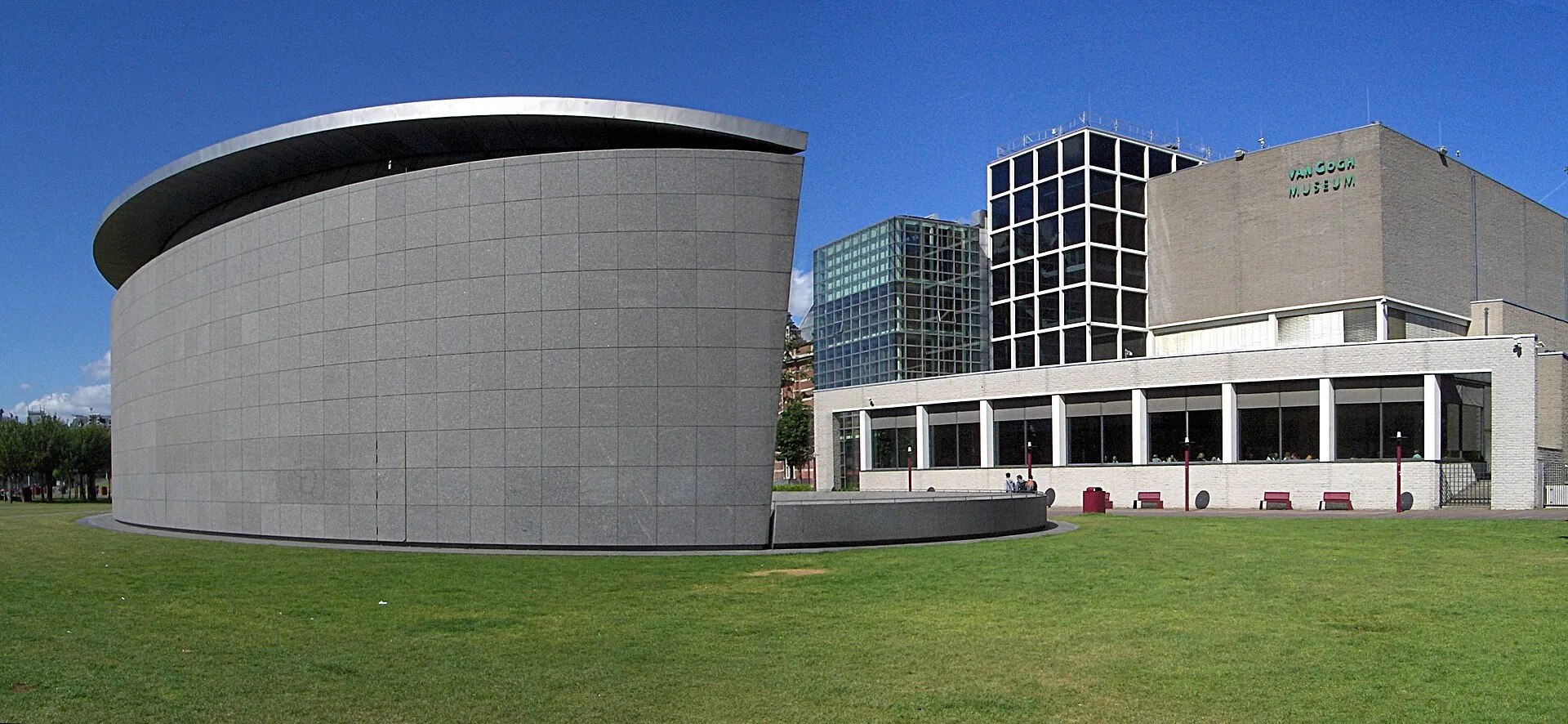
Collections Highlights
Sunflowers (1889): One of five versions Van Gogh painted, this Amsterdam iteration radiates warmth through yellows layered with such thickness the paint casts its own shadows — created to decorate the guest room for Gauguin. The Bedroom (1888): Van Gogh's rendering of his Arles bedroom uses deliberately tilted perspective and flat, vivid colors to convey the "absolute restfulness" he craved — he painted three versions, and the museum holds the first. Almond Blossom (1890): Painted as a gift for his newborn nephew (named Vincent Willem), this Japanese-inspired composition of white blossoms against a blue sky is among his most serene and beloved works. The Potato Eaters (1885): Van Gogh's first major composition — deliberately ugly, earthy, and empathetic — shows peasants eating by lamplight. He wanted viewers to feel "that these people have been digging the earth with the very hands they put in the dish." Letters Gallery: Van Gogh's correspondence with Theo reveals an articulate, passionate mind. Displayed alongside relevant paintings, the letters add emotional and intellectual context no audio guide can match.
Guided Tours
A private guide transforms the Van Gogh Museum from a chronological survey into a deeply personal encounter with an artist's mind. Specialist tours trace Van Gogh's technical evolution — from the dark earth tones of his Brabant period through the color revolution triggered by Impressionism in Paris to the frenzied brushwork of his final months — while connecting each phase to his letters, which reveal the thinking behind every artistic decision. Art history guides draw connections between Van Gogh and contemporaries displayed in the museum: Gauguin's time in Arles, Toulouse-Lautrec's Montmartre, and the Japanese prints that redirected Van Gogh's entire approach to color and composition. Combine with the Rijksmuseum for a full day spanning the Dutch Golden Age through Post-Impressionism, or pair with Vondelpark for a restorative break between museums.
When to Visit
Open: Daily 9:00-18:00; extended to 21:00 on Fridays (often with live music and a bar). Best: Opening time (9:00) or after 15:30 when day-trippers begin leaving; Friday evenings combine art with atmosphere. Busiest: 10:30-14:00, especially during school holidays and rainy days. Allow: 1.5-2.5 hours depending on interest level.
Admission and Costs
General admission: €20 adults; free for under 18. Multimedia guide: €3.50 supplement (detailed commentary on 40+ works). Private guide tour: €120-200 for 1.5-2 hours (booked independently, museum entry separate). Friday evening events: Regular admission; live music and drinks at additional cost. Museumkaart: Annual pass (€65) includes unlimited Van Gogh Museum access along with 400+ other Dutch museums.
The Case for a Guide
The Van Gogh Museum's chronological hang is designed to tell a story, but a guide supplies the biographical urgency and technical insight that makes the progression from the dark Dutch interiors to the blazing Provence canvases feel like watching someone's mind ignite.
- 900 paintings in 10 years: Van Gogh didn't begin painting until age 27 and died at 37; a guide translates this to an average of 2.5 finished paintings per week across his entire career, a pace that explains both the gestural energy of the brushwork and the psychological state documented in his letters.
- The chronological style evolution: Moving through the floors from The Potato Eaters (1885) to the Arles canvases (1888) to the final Saint-Rémy period (1889-90), a guide points out the specific technical changes — palette expansion, stroke direction, perspective compression — that show deliberate experimentation rather than unstable genius.
- Theo's financial and emotional support: Without his art dealer brother Theo's monthly allowance, Van Gogh could not have painted; a guide explains the 650 surviving letters between the brothers, how Theo financed everything while managing his own career, and how Vincent's death preceded Theo's by only six months — a detail that reframes the entire collection as a collaboration.
- The Potato Eaters' deliberate ugliness: Van Gogh wrote that he specifically wanted the faces to look like "the color of a dusty potato"; a guide explains his rejection of academic idealization as a conscious moral statement about whose lives deserved to be painted with dignity, making the dark canvas a manifesto rather than a technical failure.
- The Arles yellow house and the ear: The well-known ear incident followed the collapse of Van Gogh's dream of founding an artist's colony with Gauguin in the yellow house at Arles; a guide provides the specific sequence of events in December 1888, explains what Gauguin's account vs. Van Gogh's account differ on, and shows how the paintings made immediately before and after record an extraordinary psychological fracture.
Tips for Visitors
Advance booking required: Timed-entry tickets must be purchased online. Walk-ups are not available. Book at least a few days ahead; summer and holiday periods require earlier planning. Chronological flow: Start on the ground floor and work upward — the museum is designed as a narrative journey through Van Gogh's life, and skipping floors means missing the story. Friday evening visits: The museum stays open until 21:00 on Fridays with a relaxed atmosphere, live music, and a bar in the lobby. A different experience from daytime visits. Photography policy: Photography is allowed in most galleries except for temporary exhibitions. No flash or tripods permitted. Combine wisely: The Rijksmuseum is a 3-minute walk across Museumplein. Doing both on the same day is feasible but intense — consider morning at one, afternoon at the other with a lunch break. Gift shop: One of Amsterdam's best museum shops, with high-quality reproductions, books, and design objects. Located on the ground floor and accessible without a museum ticket.
Frequently Asked Questions
When is the best time to visit Van Gogh Museum?
Open: Daily 9:00-18:00; extended to 21:00 on Fridays (often with live music and a bar). Best: Opening time (9:00) or after 15:30 when day-trippers begin leaving; Friday evenings combine art with atmosphere.
What does admission to Van Gogh Museum cost?
General admission: €20 adults; free for under 18. Multimedia guide: €3.50 supplement (detailed commentary on 40+ works). Private guide tour: €120-200 for 1.5-2 hours (booked independently, museum entry separate).
How far in advance should visitors book tickets for Van Gogh Museum?
Advance booking required: Timed-entry tickets must be purchased online. Walk-ups are not available. Book at least a few days ahead; summer and holiday periods require earlier planning.