
Rabat timeline
-
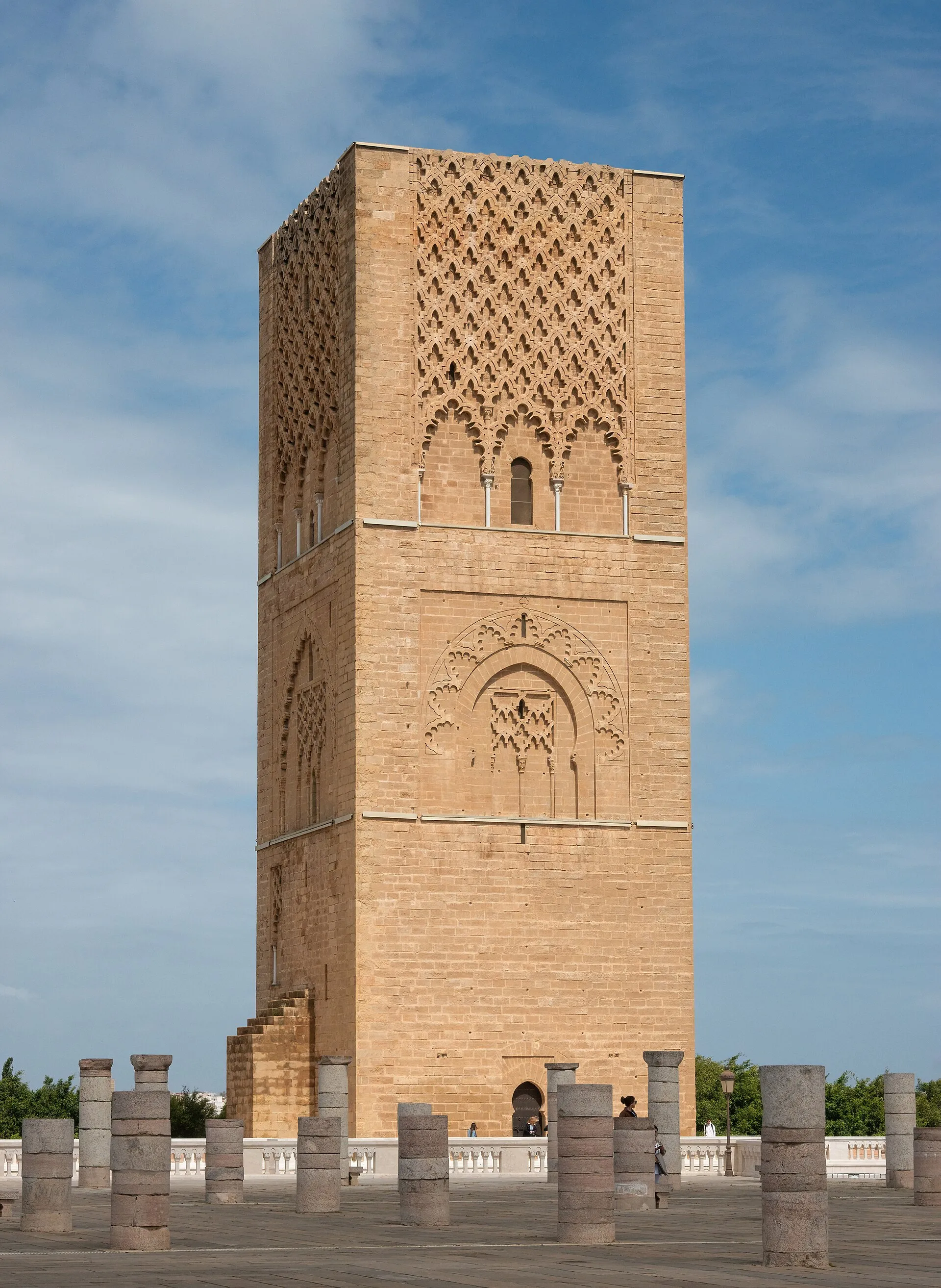
Hassan Tower
— The 44-meter unfinished minaret surrounded by 200 columns from a mosque that was never completed.
-
Rabat begins
Sultan Yacoub al-Mansour began constructing what would have been the world's tallest minaret in 1195, but his death in 1199 halted the project forever;
-
Rabat independence
The French protectorate moved the administrative seat here in 1912, and Rabat kept the role after independence in 1956.
-
UNESCO World Heritage listing
Rabat became a UNESCO World Heritage Site in 2012.
Cited city facts
Key facts for visiting Rabat
Hassan Tower was planned at 86 meters but only reached 44
Sultan Yacoub al-Mansour began constructing what would have been the world's tallest minaret in 1195, but his death in 1199 halted the project forever; the 200 remaining stone columns mark the floor plan of the mosque that was never completed
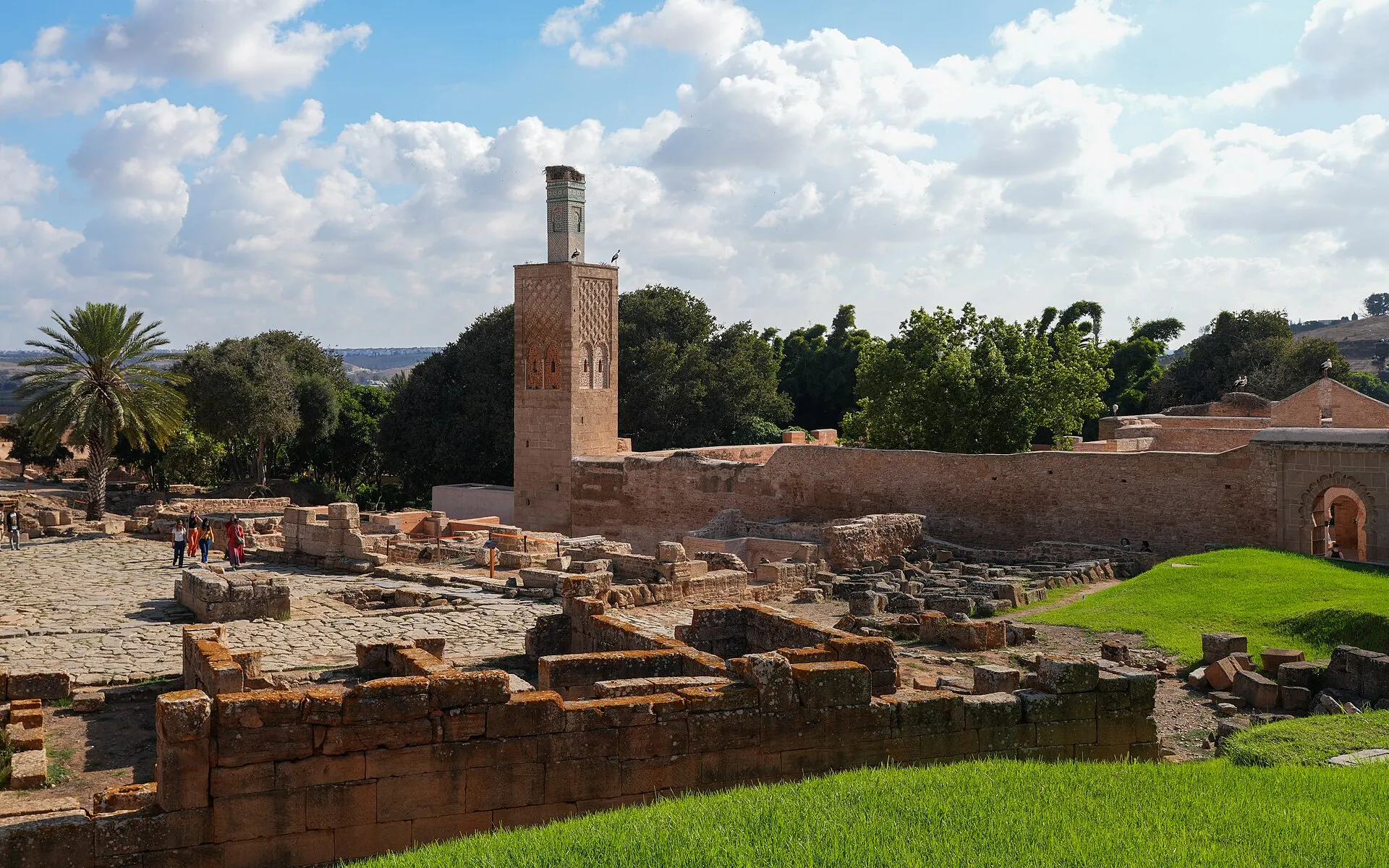
Chellah necropolis spans Roman and medieval eras
Originally the Roman settlement of Sala Colonia from the 3rd century BCE, the site was later reused as a royal burial ground by the Marinid dynasty in the 14th century; today storks nest atop the ruined minaret in a walled garden of fig trees
Rabat became a UNESCO World Heritage Site in 2012
The entire city received the designation as "Rabat, Modern Capital and Historic City," recognizing the seamless blend of Almohad ramparts, Andalusian gardens, French colonial urban planning, and modern governance architecture
Source: tour-guide.com — Free to cite with attribution
Things to see
What are the top attractions in Rabat?
- Hassan Tower — The 44-meter unfinished minaret surrounded by 200 columns from a mosque that was never completed
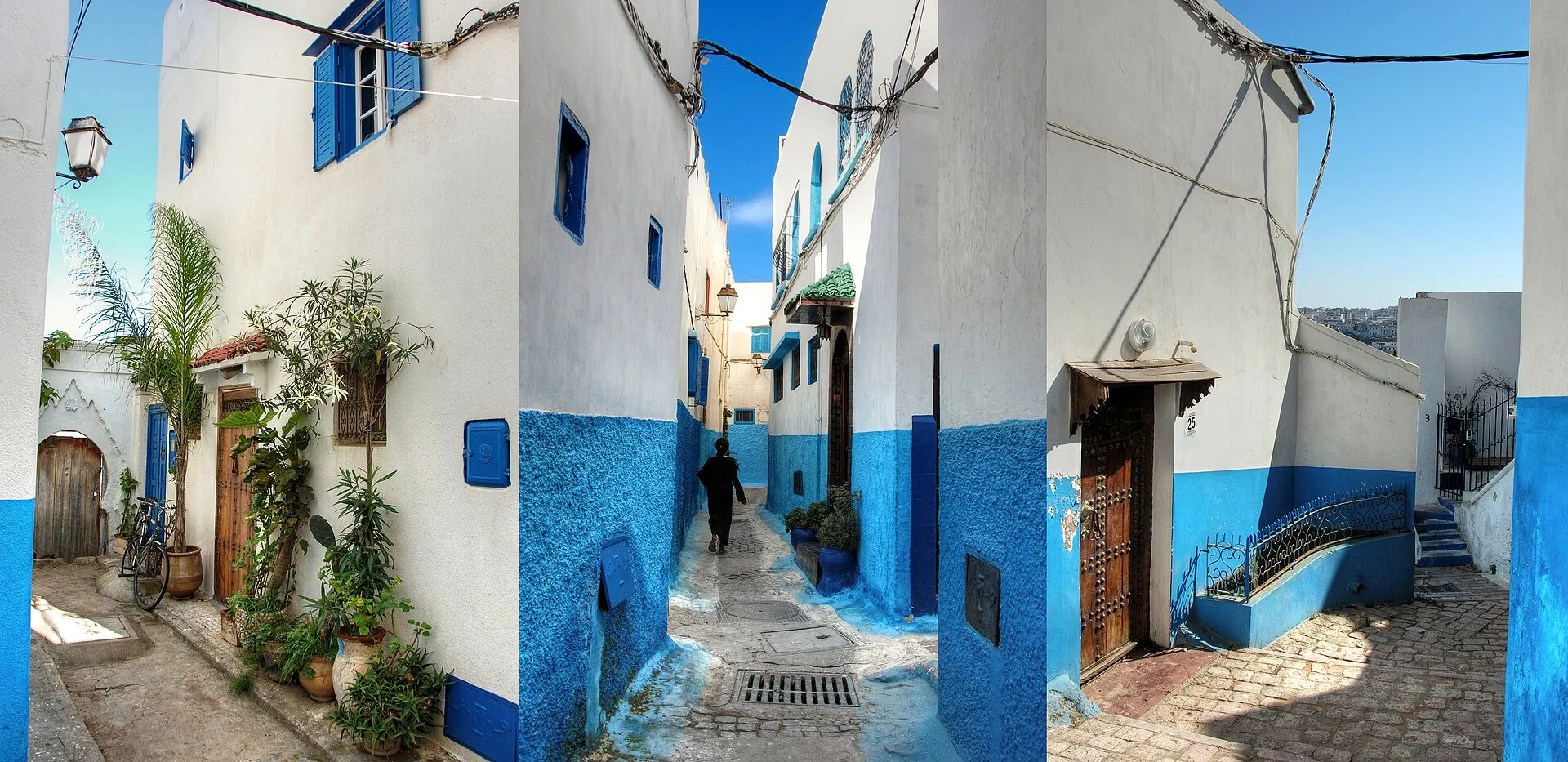
- Kasbah of the Udayas — Blue-and-white painted streets inside a 12th-century fortress overlooking the Atlantic
- Chellah — Roman columns, medieval tombs, and hundreds of nesting storks in a walled garden setting
- Mausoleum of Mohammed V — Exquisite white marble and zellige interior, free to enter and deeply moving
- Andalusian Gardens — Inside the Kasbah, a serene refuge with orange trees, bougainvillea, and fountains
- Mohammed VI Museum of Modern Art — Morocco's premier contemporary art museum in an elegant white building
- Rabat medina — Calmer, cleaner, and more manageable than Fez or Marrakech, with genuine local commerce
Chellah
Where Roman columns meet Islamic tombs - A necropolis reclaimed by nature
Hassan Tower
An unfinished masterpiece - The 44-meter minaret of a mosque that was never completed
Kasbah of the Udayas
A 12th-century fortress on the cliffs - Blue streets, Andalusian gardens, and Atlantic winds
Guide planning
How much does a tour guide cost in Rabat?
Rabat is manageable independently, but a guide reveals layers invisible to casual visitors:
Licensed city guides: Available through Rabat's tourism office near Hassan Tower; multilingual and well-trained. Archaeological specialists: For the Chellah Roman ruins and the city's pre-Islamic history. Art and museum guides: The Mohammed VI Museum of Modern and Contemporary Art deserves expert commentary. Rabat-Sale combined guides: The twin city of Sale across the river adds pirate history and traditional crafts. Food tour guides: Rabat's dining scene is less touristy and more authentically Moroccan than Marrakech
Season planner
When is the best time to visit Rabat?
- March-May — Spring in Rabat is glorious, with flowering gardens and mild Atlantic-moderated temperatures (18-24°C)
- September-November — Warm, dry, and uncrowded after the summer exodus
- Morning (9-11 AM) — Best light on Hassan Tower's sandstone and the Kasbah's whitewashed walls
- Avoid — August (locals leave for holidays; restaurants close) and January-February (rainy spells)
Spring
Mar-May
Summer
Jun-Aug
Autumn
Sep-Nov
Winter
Dec-Feb
Each score averages that season’s monthly ratings out of 5. The top-rated window is usually the peak season too, so read the guidance above for its trade-offs before you book.
On the ground
How do you get around Rabat?
- Tramway — Two modern tram lines connect Hassan Tower, the medina, and the train station; cheap and efficient
- Train connections — Al Boraq high-speed rail reaches Casablanca in 45 minutes and Tangier in under 2.5 hours
- Dress code — As the royal capital, Rabat is slightly more formal than tourist cities; smart casual fits well
- Tipping — 50-100 MAD (€5-9) for a private half-day guide
- Sale day trip — Cross the Bou Regreg river by rowboat (5 MAD) or take the tramway to explore the twin city
- Less hassle — Rabat has far fewer touts and faux guides than Marrakech, making it relaxing to explore
- Friday prayers — Many sites and shops close between 12-2 PM on Fridays
- Royal Palace — The exterior of the Royal Palace is viewable but not open to visitors; photography of the guards is prohibited
Frequently Asked Questions
What is the capital of Morocco?
Rabat is the capital of Morocco. The French protectorate moved the administrative seat here in 1912, and Rabat kept the role after independence in 1956. The royal palace, the national Parliament, and the foreign embassies are all in Rabat. Casablanca is Morocco's largest city and economic engine, and Marrakech its most famous tourist destination, but neither is the capital — a common point of confusion for first-time visitors.
What is the best time to visit Rabat?
March-May: Spring in Rabat is glorious, with flowering gardens and mild Atlantic-moderated temperatures (18-24°C). September-November: Warm, dry, and uncrowded after the summer exodus.
How much does a tour guide cost in Rabat?
Rabat is manageable independently, but a guide reveals layers invisible to casual visitors: Licensed city guides: Available through Rabat's tourism office near Hassan Tower; multilingual and.
How do you get around Rabat?
Tramway: Two modern tram lines connect Hassan Tower, the medina, and the train station; cheap and efficient.