
Chefchaouen timeline
-
Chefchaouen founded
Moulay Ali Ben Rachid founded the mountain town as a defensive base near the Rif.
-
Andalusian refugees arrive
Muslim and Jewish families from Iberia helped shape the town's architecture, crafts, and identity.
-
Spanish forces take the town
Colonial occupation pulled Chefchaouen into the Spanish protectorate period.
-
Moroccan independence
The town rejoined independent Morocco and later became one of the Rif's best-known visitor bases.
Cited city facts
Key facts for visiting Chefchaouen
Founded in 1471 as a fortress against Portuguese invasion
Moulay Ali ibn Rachid established Chefchaouen as a small kasbah in the Rif Mountains to rally Berber and Andalusian fighters; the town remained so isolated that Europeans were barred from entering until 1920
Population of approximately 45,000
Chefchaouen is one of the smallest towns in Morocco to attract significant international tourism; its compact medina takes just 20 minutes to cross on foot, giving it an intimate village character unlike larger Moroccan cities
Talassemtane National Park covers 58,950 hectares
The park adjacent to Chefchaouen protects one of the last stands of the endangered Moroccan fir (Abies maroccana), a tree species found nowhere else on Earth, along with Barbary macaques and golden eagles in the Rif cedar forests
Akchour waterfall cascades 20 meters into a natural pool
The most popular day hike from Chefchaouen leads to a series of waterfalls and the natural rock arch known as God's Bridge, carved over millennia by the Farda River through the limestone Rif landscape
Source: tour-guide.com — Free to cite with attribution
Things to see
What are the top attractions in Chefchaouen?
- Blue medina streets — Wander without a map through layers of indigo, cobalt, and sky blue
- Kasbah garden — The 15th-century fortress garden offers the best rooftop views of the town
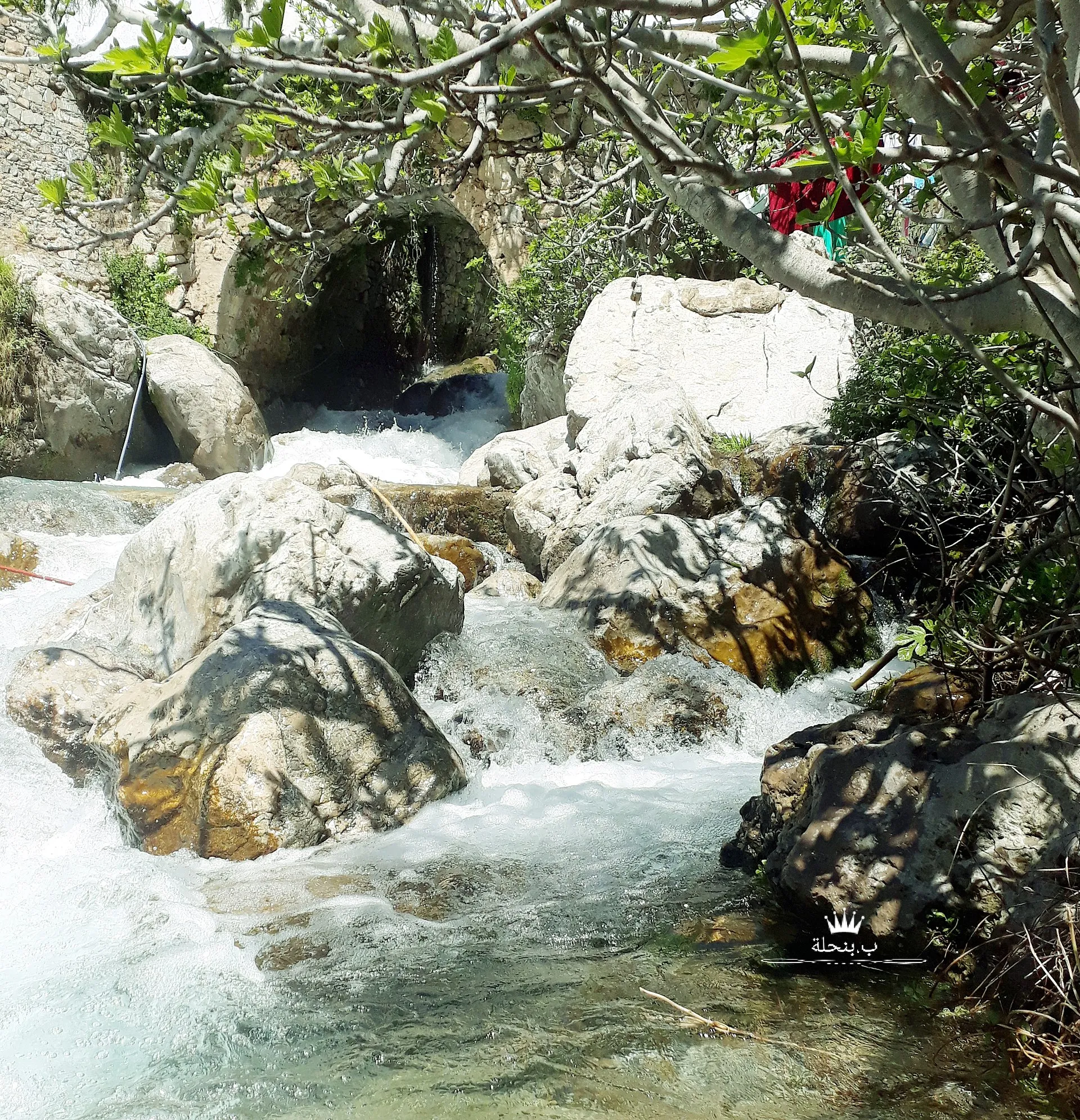
- Ras el-Maa waterfall — Where women wash wool in the cold mountain spring at the medina's edge
- Spanish Mosque hike — A 30-minute climb to a hilltop mosque overlooking the entire blue town and valley
- Woven blankets — Chefchaouen produces distinctive striped blankets on traditional looms
- Jben cheese — Fresh goat cheese produced in the Rif Mountains, sold at the Thursday market
- Talassemtane National Park — Cedar forests and the endangered Moroccan fir, accessible by guided day hike
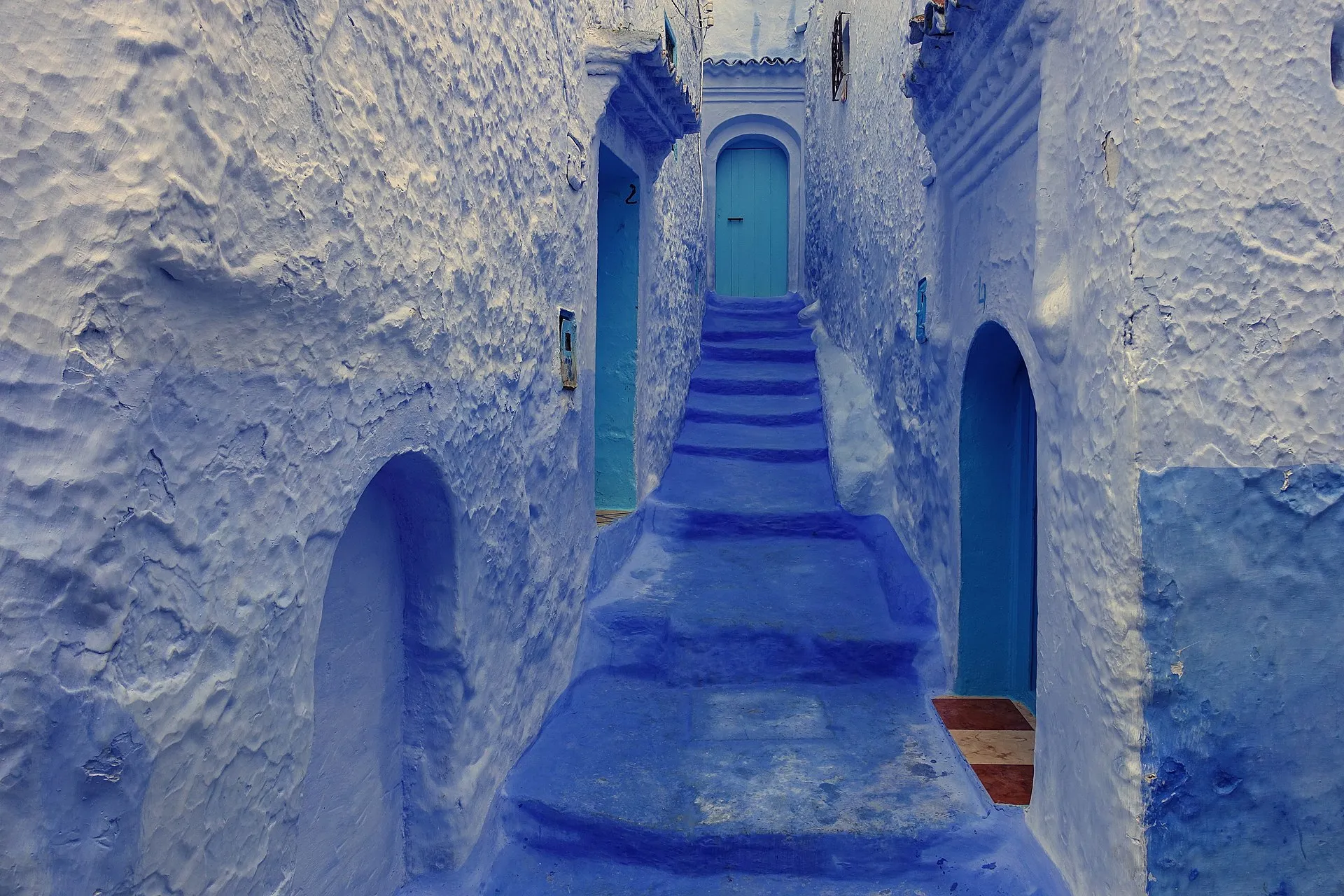
Blue Medina of Chefchaouen
Every shade of blue imaginable - Morocco's most photographed neighborhood
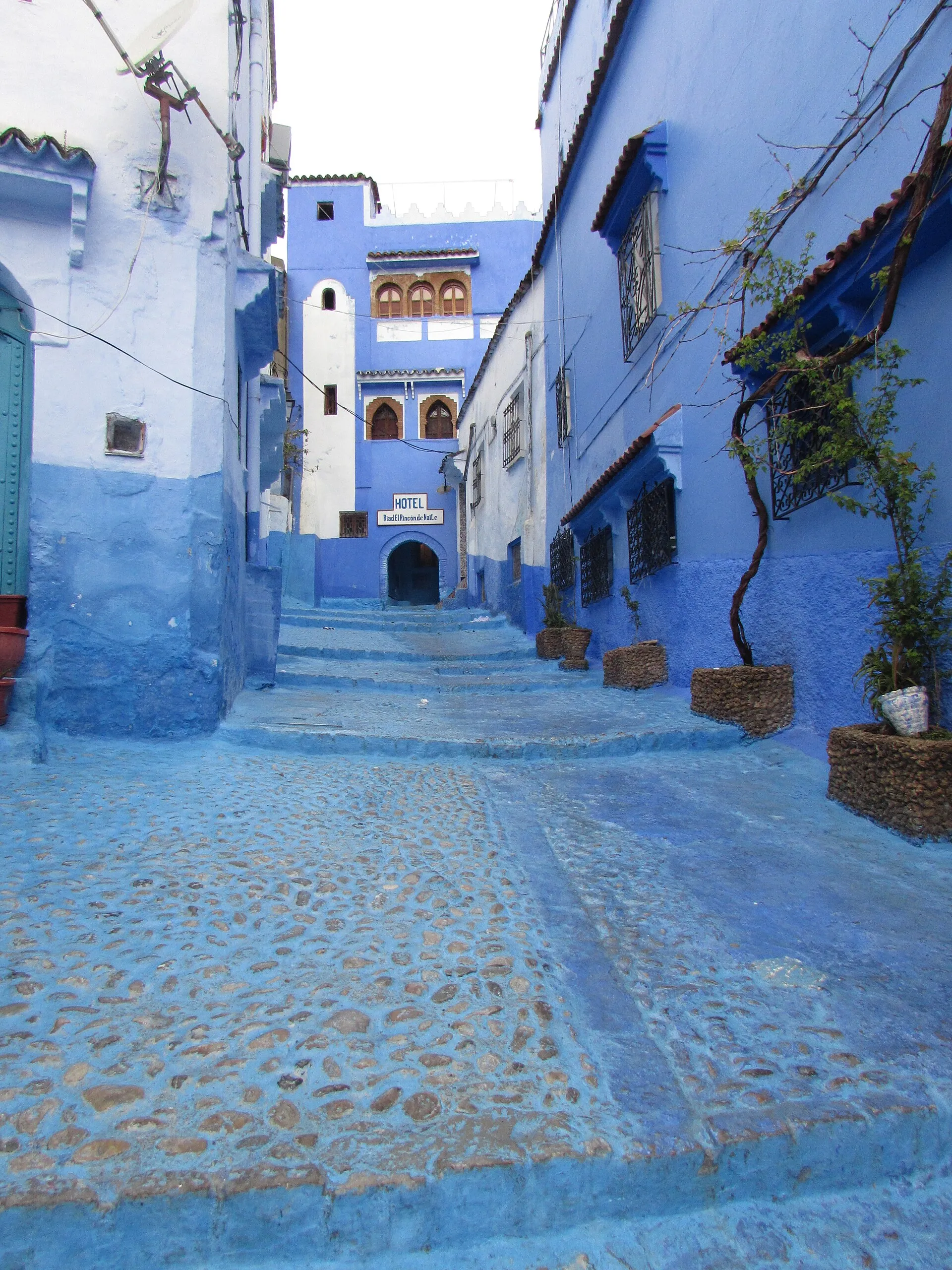
Kasbah Museum
A 15th-century fortress at the town's heart - History, art, and mountain panoramas
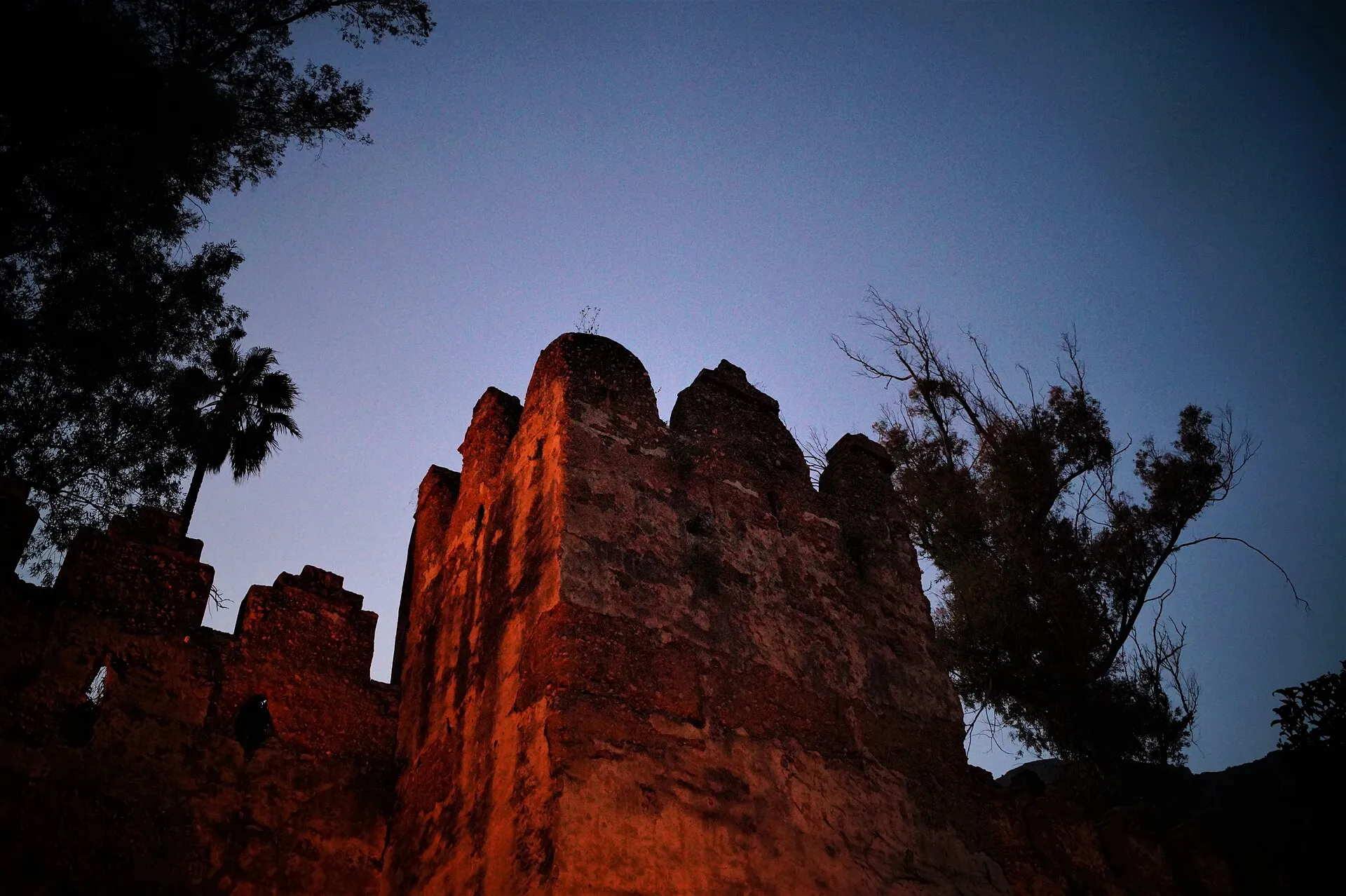
Ras el-Maa
Where the blue medina ends and the Rif Mountains begin
Guide planning
How much does a tour guide cost in Chefchaouen?
Chefchaouen is small enough to explore independently, but a guide adds real depth:
- Rif Mountain specialists — Local guides lead day hikes to the God's Bridge natural arch, Akchour waterfalls, and Talassemtane National Park
- Photography guides — Local photographers know the exact streets and times of day for the best blue wall shots
- Berber cultural guides — Learn about the Jebala and Ghomara Berber communities that inhabit the surrounding mountains
- Craft workshop visits — Guides connect you with weavers producing the distinctive Chefchaouen blankets and goat-cheese makers in the Rif foothills
- Licensed city guides — Available through the tourism office on Place Mohammed V
Season planner
When is the best time to visit Chefchaouen?
- April-June — Spring wildflowers carpet the Rif slopes, pleasant 18-25°C temperatures
- September-October — Clear skies, warm days, cooler mountain nights
- Early morning (7-9 AM) — Empty blue streets with soft directional light, paradise for photography
- Avoid — December-February (cold mountain rain) and August (peak domestic tourism crowds)
Spring
Mar-May
Summer
Jun-Aug
Autumn
Sep-Nov
Winter
Dec-Feb
Each score averages that season’s monthly ratings out of 5. The top-rated window is usually the peak season too, so read the guidance above for its trade-offs before you book.
On the ground
How do you get around Chefchaouen?
- Getting there — 3.5 hours by bus from Fez or 2 hours from Tangier; no train station
- Compact and walkable — The entire medina takes about 20 minutes to cross on foot
- Photography etiquette — Residents are accustomed to cameras but always ask before photographing people
- Cash essential — Very few ATMs in town; bring sufficient dirhams from Fez or Tangier
- Altitude coolness — Even in summer, evenings are cool (15°C); bring a light jacket
- Thursday market — The weekly souk brings Rif Mountain villagers to town with produce, cheese, and crafts
- Cannabis culture — The Rif is Morocco's primary cannabis-growing region; touts may approach you, politely decline
- Comfortable shoes — Steep, uneven medina stairs are the primary challenge for walkers
Frequently Asked Questions
What is the best time to visit Chefchaouen?
April-June: Spring wildflowers carpet the Rif slopes, pleasant 18-25°C temperatures. September-October: Clear skies, warm days, cooler mountain nights.
How much does a tour guide cost in Chefchaouen?
Chefchaouen is small enough to explore independently, but a guide adds real depth: Rif Mountain specialists: Local guides lead day hikes to the God's Bridge natural arch, Akchour waterfalls, and.
How do you get around Chefchaouen?
Getting there: 3.5 hours by bus from Fez or 2 hours from Tangier; no train station. Compact and walkable: The entire medina takes about 20 minutes to cross on foot.