

Overview
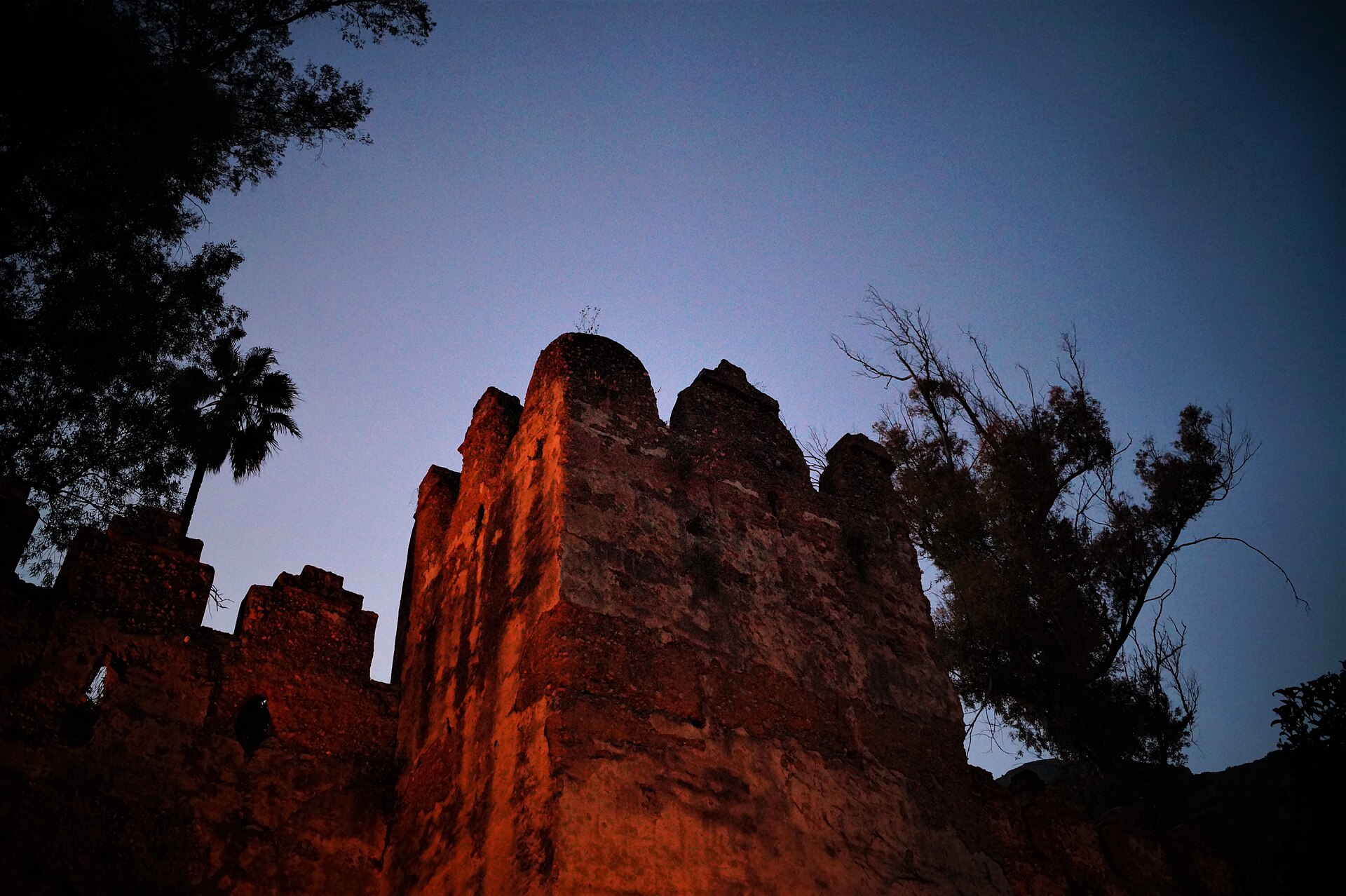
The Kasbah of Chefchaouen was built in 1471 by Moulay Ali ibn Rachid, the Berber leader who founded the town as a base to fight Portuguese incursions along the northern coast. The red-walled fortress dominates Place Outa el Hamam, the central square, and houses an ethnographic museum displaying regional Rif Berber artifacts, traditional weapons, musical instruments, pottery, and textiles. The Andalusian-style garden within the walls offers some of the best elevated views of the Blue Medina and the twin peaks of Jebel ech-Chaouen (the "horns" that give the town its name).
The museum has almost no explanatory panels, so without a guide the rooms blend into a beautiful blur. A guide recounts how Moulay Ali ibn Rachid built this fortress as part of a guerrilla campaign against Portuguese expansion, explains the Jebala and Ghomara tribal distinctions reflected in the pottery and textiles, and positions you at the optimal garden spot for photographing the blue medina against the mountain backdrop. Combine with Ras el-Maa for the natural spring at the medina's edge.
Guided Tours
Guides recount the founding story of how Moulay Ali ibn Rachid established this fortress in 1471 as part of a campaign against Portuguese expansion along the Moroccan coast. The ethnographic collection needs context — guides explain the Jebala and Ghomara tribal distinctions reflected in the pottery styles, textile patterns, and weapon designs. From the Andalusian garden, a guide positions you at the optimal viewpoint for photographing the Blue Medina against the twin mountain peaks. The architectural mix of Andalusian garden design and Berber military construction is unusual in Morocco, and the Kasbah's placement on Place Outa el Hamam shaped the town's development over five centuries — connections that only emerge through guided interpretation.
Collections Highlights
The Andalusian garden within the fortress walls features citrus trees, rose bushes, and tiled fountains that create a tranquil contrast with the military architecture surrounding them. Climbing the corner tower provides a 360-degree panorama of blue rooftops and Rif peaks — the single best viewpoint in Chefchaouen. The pottery collection displays Rif Berber ceramics with distinctive geometric designs unlike any other Moroccan region. The weapons gallery exhibits traditional Berber arms including ornate powder flasks and silver-inlaid rifles. Musical instruments — drums, rebabs, and flutes — used in Jebala and Ghomara celebrations round out the ethnographic picture. The contrast of the Kasbah's terracotta red walls against the surrounding blue medina is itself one of the most striking visual experiences in the town.
When to Visit
Hours: Daily 9:00 AM - 6:00 PM (closes 5:00 PM in winter). Best time: Late afternoon (4-5:30 PM) for the best garden light and views of the blue medina in warm tones. Allow: 30-45 minutes for the museum and garden. Friday afternoons: Quietest time as residents attend mosque.
Admission and Costs
Admission: 10 MAD (less than €1) per person. Private guide: 200-400 MAD (€18-37) for a dedicated Kasbah and medina combined tour. Included in most medina tours: Nearly all guided walks include a Kasbah stop.
Tips for Visitors
Location: Directly on Place Outa el Hamam, the main square with cafes and the Grand Mosque. Photography: Excellent from the garden and towers; the late afternoon light is particularly flattering. Combine with Place Outa el Hamam: Have mint tea at one of the square's cafes before or after your visit. Minimal signage: Exhibits have limited labels; a guide or at least a guidebook helps interpret the collection. Cool retreat: The thick-walled fortress is noticeably cooler than the medina streets on warm days.