

Overview
Fifty kilometers northeast of Mexico City, the ruins of Teotihuacán sprawl across 83 square kilometers of high-altitude valley. This was once the largest city in the pre-Columbian Americas, home to an estimated 125,000 people at its peak around 450 CE — and nobody knows for certain who built it. The Aztecs arrived centuries after its collapse and gave it its Nahuatl name, meaning "the place where the gods were created," because they believed a city this monumental could only be divine in origin.
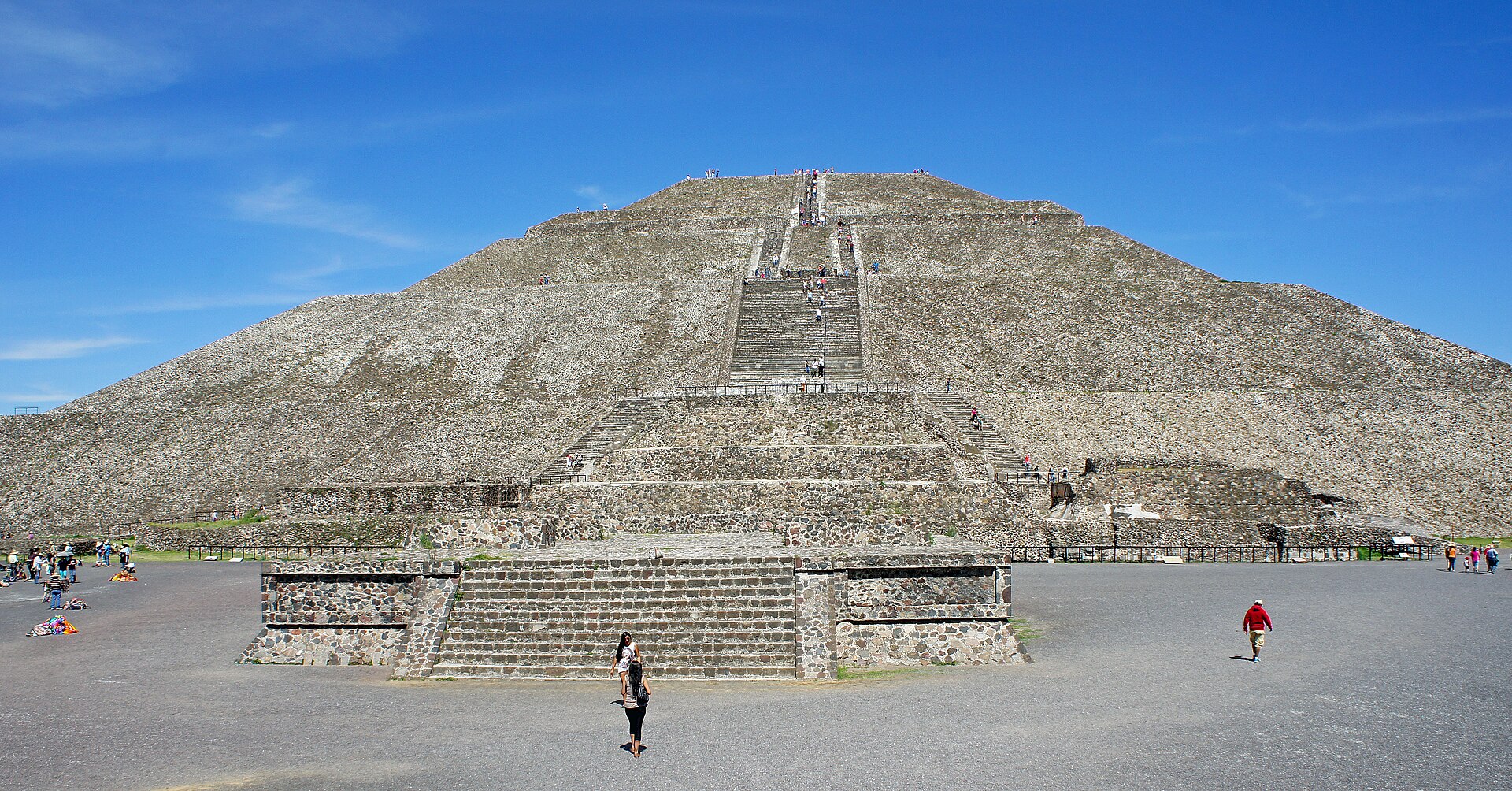
The Pyramid of the Sun is the third-largest pyramid on Earth, rising 65 meters above the Avenue of the Dead. The smaller but equally striking Pyramid of the Moon anchors the northern end of this 2.5-kilometer ceremonial boulevard. Between them, the Temple of the Feathered Serpent displays some of the most elaborate sculptural facades in Mesoamerica. A knowledgeable guide — ideally one certified by INAH (Mexico's National Institute of Anthropology and History) — reveals connections invisible to the untrained eye: astronomical alignments, obsidian trade networks, and murals that survived 1,500 years underground. Combine with the Zócalo & Templo Mayor to connect Teotihuacán's mysterious builders with the Aztec civilization that revered their ruins.
Excavation History
Teotihuacán's archaeological exploration began in earnest under Leopoldo Batres in 1905, who controversially added a fifth tier to the Pyramid of the Sun based on incomplete evidence — a modification that remains today. The Temple of the Feathered Serpent yielded one of the most dramatic discoveries in Mesoamerican archaeology: over 200 sacrificial burials arranged in precise patterns, with victims wearing necklaces of human jawbones and accompanied by obsidian blades and pyrite mirrors. In 2003, a rainstorm revealed a tunnel beneath the temple that had been sealed for nearly 1,800 years — archaeologists spent a decade excavating it and found offerings of jade, shell, rubber balls, and carved figures at its deepest point, directly beneath the pyramid's center. The Murals of Tepantitla, discovered in the 1940s, depict a paradise of flowers, butterflies, and flowing water — they are often missed by visitors rushing to the pyramids but represent some of the finest surviving pre-Columbian painting anywhere in the Americas.
Key Artifacts
The 248 steps to the summit of the Pyramid of the Sun reward climbers with 360-degree views of the valley, and the pyramid itself conceals a cave discovered in 1971 beneath its center — likely the original sacred site around which the entire city was planned. The Avenue of the Dead is not actually lined with tombs; the Aztecs mistakenly identified the platform structures flanking the 2.5-kilometer boulevard as burial mounds, but they were actually residential and administrative compounds for Teotihuacán's elite. The Temple of the Feathered Serpent's facade preserves dozens of carved serpent heads with original obsidian eyes still in place, alternating with goggle-eyed rain deity masks in a sculptural program that has no parallel at any other Mesoamerican site. Teotihuacán obsidian — the city controlled the richest obsidian deposits in central Mexico — has been found at sites throughout Mesoamerica, evidence of a trade network that reached from the Gulf Coast to Guatemala.
When to Visit
Daily: 9 AM - 5 PM (last entry 4 PM). Best: Arrive right at 9 AM opening to climb the pyramids before the heat and crowds build. Avoid: Weekends and Mexican holidays (especially spring equinox on March 21, when tens of thousands visit). Duration: Allow 3-5 hours; a guided tour typically runs 2.5-3 hours.
Admission and Costs
Site entry: MX$90 ($5) per person. INAH-certified guide at entrance: MX$800-1,200 ($45-65) for a group. Organized day trip from CDMX: MX$1,200-2,000 ($65-110) including transport. Private guide + transport: MX$2,500-4,000 ($140-220). Parking: MX$45 ($2.50) if driving.
Tips for Visitors
Altitude plus sun is brutal: You are at 2,300 meters with no shade on the pyramids — bring a hat, sunscreen, sunglasses, and at least 2 liters of water per person. Wear proper shoes: The pyramid steps are steep, uneven, and can be slippery; sturdy footwear with grip is essential. Hire an INAH guide at the entrance: Official guides wear credentials and are far more informative than audio tours — negotiate the price before starting. Skip the souvenir gauntlet: Vendors along the Avenue of the Dead are persistent — a polite "no, gracias" and keep walking works best. Beat the buses: Large tour groups from Mexico City tend to arrive between 10:30 and 11:00 AM — if you are there at opening, you can have the Pyramid of the Sun nearly to yourself.