

Overview
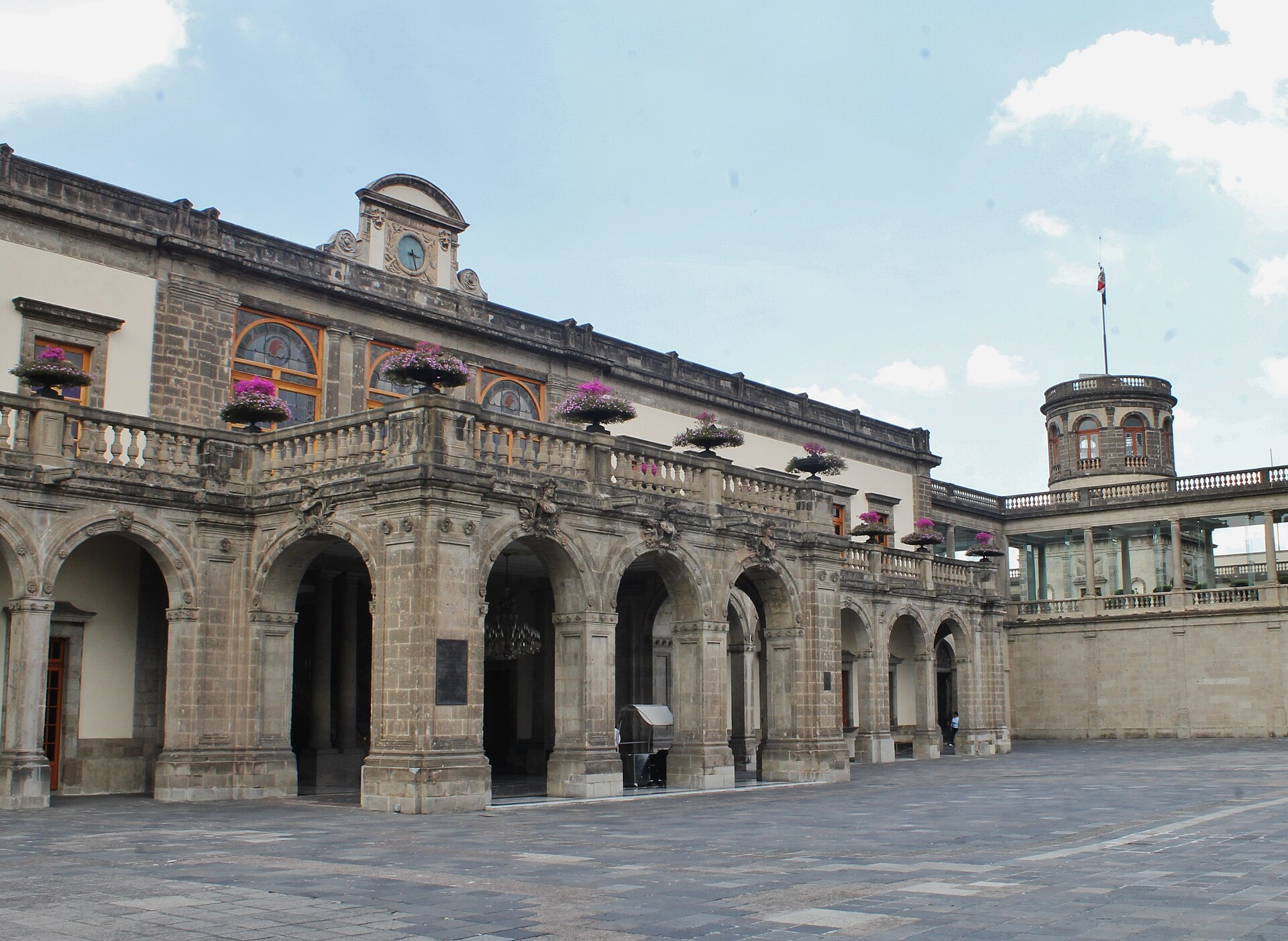
Perched atop Chapultepec Hill at the heart of Mexico City's largest park, Chapultepec Castle holds a singular distinction: it is the only castle in the Western Hemisphere that ever served as a residence for a sovereign monarch. Built in 1785 as a viceregal retreat, it was later transformed into a military academy, an imperial palace for the ill-fated Emperor Maximilian I and Empress Carlota in the 1860s, a presidential residence, and finally — since 1944 — the home of the Museo Nacional de Historia (National Museum of History). The castle's hilltop position, 2,325 meters above sea level, commands sweeping views down the tree-lined Paseo de la Reforma and across the sprawling city. On clear days, you can see the snow-capped peaks of Popocatépetl and Iztaccíhuatl on the horizon.
Inside, the museum spans Mexican history from the Spanish conquest through the Revolution, with period rooms still decorated in Maximilian and Carlota's European taste — Bohemian crystal chandeliers, hand-painted ceilings, and Aubusson tapestries that feel almost surreal in this context. The surrounding Bosque de Chapultepec is the largest urban park in the Western Hemisphere. Combine the castle with the Frida Kahlo Museum for art and history, or walk to Palacio de Bellas Artes for Mexico's greatest murals.
Fortification History
Chapultepec Hill was a sacred site long before any castle stood here. The Aztecs built an aqueduct from its springs to supply Tenochtitlan with fresh water, and the hill's ahuehuete cypress groves — some trees now over 500 years old — served as a royal retreat for tlatoani rulers. The Spanish built a hermitage, and in 1785 Viceroy Bernardo de Gálvez commissioned the hilltop residence that became the castle. During the Mexican-American War in 1847, the military academy housed here was the site of the Battle of Chapultepec, where six teenage cadets — the Niños Héroes — allegedly wrapped themselves in Mexican flags and leapt from the ramparts rather than surrender. The castle's defensive position, commanding a 60-meter height advantage over the surrounding park, made it a natural fortress throughout its military history.
Notable Rooms
Maximilian and Carlota's private apartments preserve the tragic grandeur of their brief reign (1864-1867): Bohemian crystal chandeliers, hand-painted ceilings depicting classical mythology, Aubusson tapestries, and European furniture shipped across the Atlantic for a court that lasted barely three years before Maximilian was executed by firing squad. The Salón de los Embajadores (Ambassadors' Hall) retains its original diplomatic function through period furnishings and portraits. David Alfaro Siqueiros's massive mural "From the Dictatorship of Porfirio Díaz to the Revolution" wraps around an entire stairwell in vivid color — a guide is essential to decode its dense political imagery. The eastern terrace offers the iconic view down the full length of Paseo de la Reforma, with the Ángel de la Independencia glinting in the distance and the volcanic skyline beyond.
When to Visit
Tuesday - Sunday: 9 AM - 5 PM (closed Mondays). Best: Tuesday or Wednesday mornings — thinner crowds and cooler temperatures for the uphill walk. Avoid: Sundays (free entry for Mexican nationals means significantly larger crowds). Duration: 2-3 hours for the castle and museum; add time for the walk up through the forest.
Admission and Costs
Museum entry: MX$90 ($5) — free on Sundays for Mexican nationals. Guided castle tour: MX$500-900 ($28-50) on top of entry. Combined castle + anthropology museum tour: MX$1,500-2,500 ($85-140). Chapultepec Forest + castle half-day tour: MX$1,000-1,800 ($55-100).
Tips for Visitors
Walk up through the forest: Skip the tourist shuttle and take the shaded path through the ancient ahuehuete (Montezuma cypress) trees — it is a 15-minute climb but sets the atmosphere perfectly. Combine with the anthropology museum: The world-class Museo Nacional de Antropología sits at the foot of Chapultepec Park, a 20-minute walk from the castle — doing both in one day is ambitious but rewarding. Sundays are free but packed: Mexican nationals get free entry on Sundays, which means longer lines and more crowded galleries — if you are a foreign visitor paying full price either way, go on a weekday. Bring water: The uphill walk plus the altitude means you will dehydrate fast; there are vendors at the base but limited options at the top. Context matters: The castle's history — from Aztec sacred hill to colonial fort to imperial palace to the last stand of the Niños Héroes (child soldiers who died defending it from U.S. invasion in 1847) — is layered and fascinating; a guide makes all the difference.