
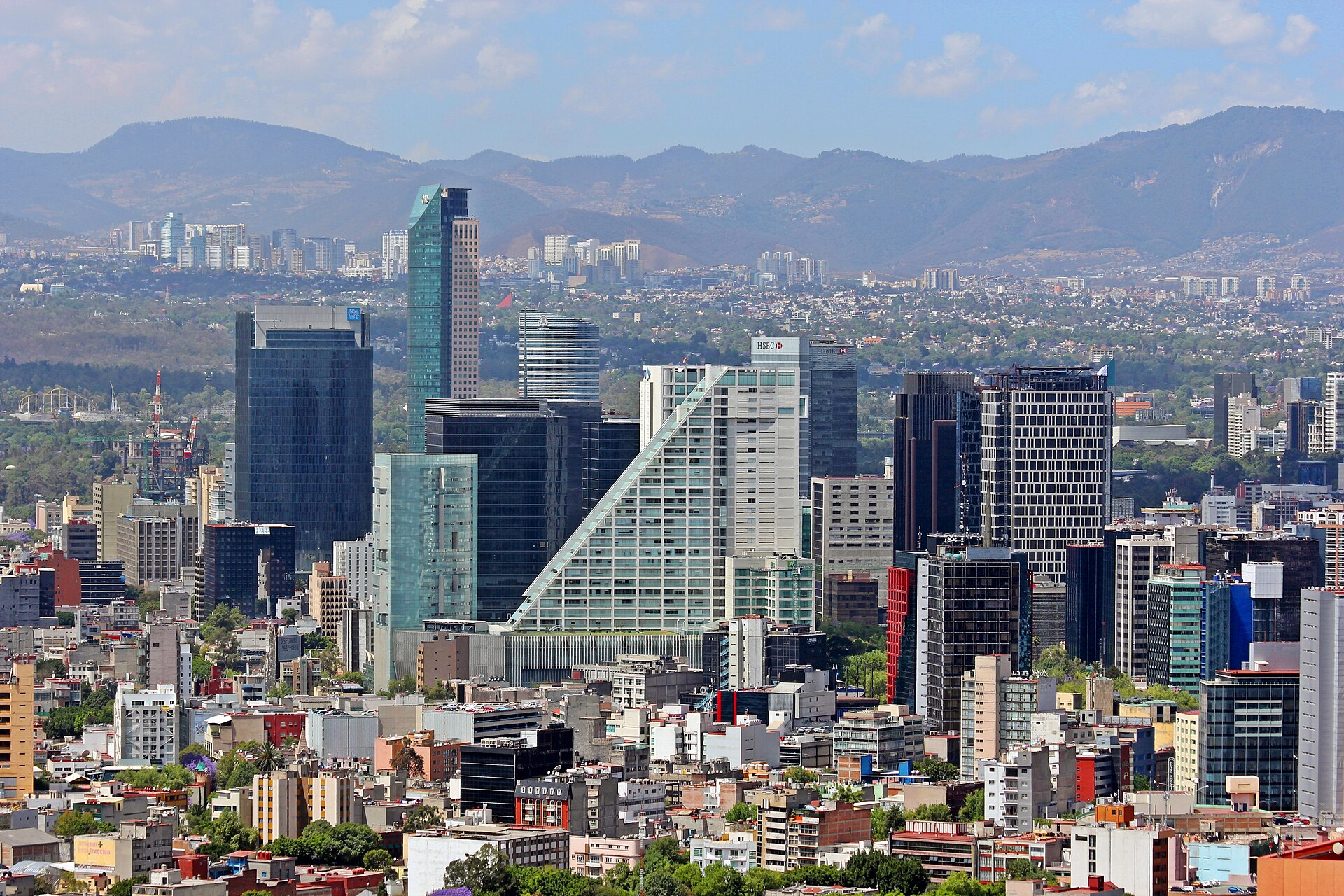

What makes Mexico City worth visiting?
Mexico City is a sprawling megalopolis of over 21 million people built on the drained bed of Lake Texcoco, where the Aztec capital Tenochtitlan once stood. At 2,240 meters above sea level, the thin air catches first-time visitors off guard — take it slow on your first day, drink plenty of water, and save the hill-climbing for Chapultepec Castle after you've acclimatized. The city rewards patience: every neighborhood has its own character, from the cobblestone calm of Coyoacán (home to the Frida Kahlo Museum) to the Art Deco grandeur of the Palacio de Bellas Artes in the bustling Historic Centre. What makes Mexico City extraordinary is how its layers of civilization sit on top of one another. Walk through the Zócalo and you'll see a 16th-century cathedral sinking slowly into the soft lakebed, with Aztec temple foundations exposed just steps away. Take a day trip to Teotihuacán and you're standing in a city that predates the Aztecs by a thousand years. An English-speaking guide transforms this from sightseeing into time travel.
What are the top attractions in Mexico City?
- Street food with a guide — Tacos al pastor, tlacoyos, esquites — a guided market tour through Mercado de la Merced or Jamaica is the best education in Mexican cuisine you'll ever get
- Muralism trail — Rivera, Orozco, Siqueiros across Bellas Artes, the National Palace, and UNAM — a guide connects the art to the revolution
- Xochimilco canals — Float on colorful trajineras through the last remnants of the Aztec lake system, with mariachi bands drifting alongside
- National Museum of Anthropology — The Aztec Sun Stone alone justifies the visit; plan at least three hours with a knowledgeable guide
- Roma and Condesa at dusk — Art Deco architecture, jacaranda-lined avenues, mezcal bars, and some of the best restaurants in the Western Hemisphere
- Basilica of Our Lady of Guadalupe — The most visited Catholic pilgrimage site in the world, drawing over 10 million visitors each December
Chapultepec Castle
The only royal castle in the Americas, with views that stretch to the volcanoes
🖼️Frida Kahlo Museum
La Casa Azul — where Frida was born, lived, painted, and died
🏛️Palacio de Bellas Artes
Where Mexican muralism meets Art Nouveau grandeur
🏺Teotihuacán
The City of the Gods — where the sun and moon were born
🏺Zócalo & Templo Mayor
The Aztec sacred center and the colonial city built on top of it
How much does a tour guide cost in Mexico City?
| Tour Type | Price | Details |
|---|---|---|
| Walking Tours | MX$400-700 | $22-40 per person |
| Teotihuacán Day Trip | MX$1,200-2,000 | $65-110 with transport |
| Food & Market Tours | MX$900-1,500 | $50-85 including tastings |
| Full-Day Private | MX$2,500-4,500 | $140-250 |
When is the best time to visit Mexico City?
- Air quality — Smog can be heavy from November to February; check the IMECA index in the morning and carry a mask on bad days
- Best months — March to May offers warm days, jacarandas in bloom, and fewer crowds than the December holiday surge
How do you get around Mexico City?
- Altitude awareness — At 2,240m, you'll feel winded climbing stairs and dehydrated faster than usual — drink 3-4 liters of water daily and skip strenuous activities on day one
- Metro mastery — The Metro costs MX$5 (under $0.30) and covers most tourist areas — but avoid rush hour (7-9 AM, 6-8 PM) when trains are packed beyond belief
- Tipping — 10-15% at restaurants, MX$20-50 per bag for hotel porters; tip your tour guide 15-20% for excellent service
Frequently Asked Questions
What is the best time to visit Mexico City?
Air quality: Smog can be heavy from November to February; check the IMECA index in the morning and carry a mask on bad days.
How much does a tour guide cost in Mexico City?
Walking Tours: MX$400-700 ($22-40 per person). Teotihuacán Day Trip: MX$1,200-2,000 ($65-110 with transport). Food & Market Tours: MX$900-1,500 ($50-85 including tastings).
How do you get around Mexico City?
Mexico City has a massive metro system with 12 lines, plus Metrobus rapid transit covering major corridors. The Ecobici bike-share is handy for shorter trips in central neighbourhoods, and ride-share apps like Uber and DiDi are widely used.