
Major City
🇮🇳 Tour Guides in Varanasi
The oldest continuously inhabited city on earth, where life and death meet on the Ganges

What makes Varanasi a top destination?
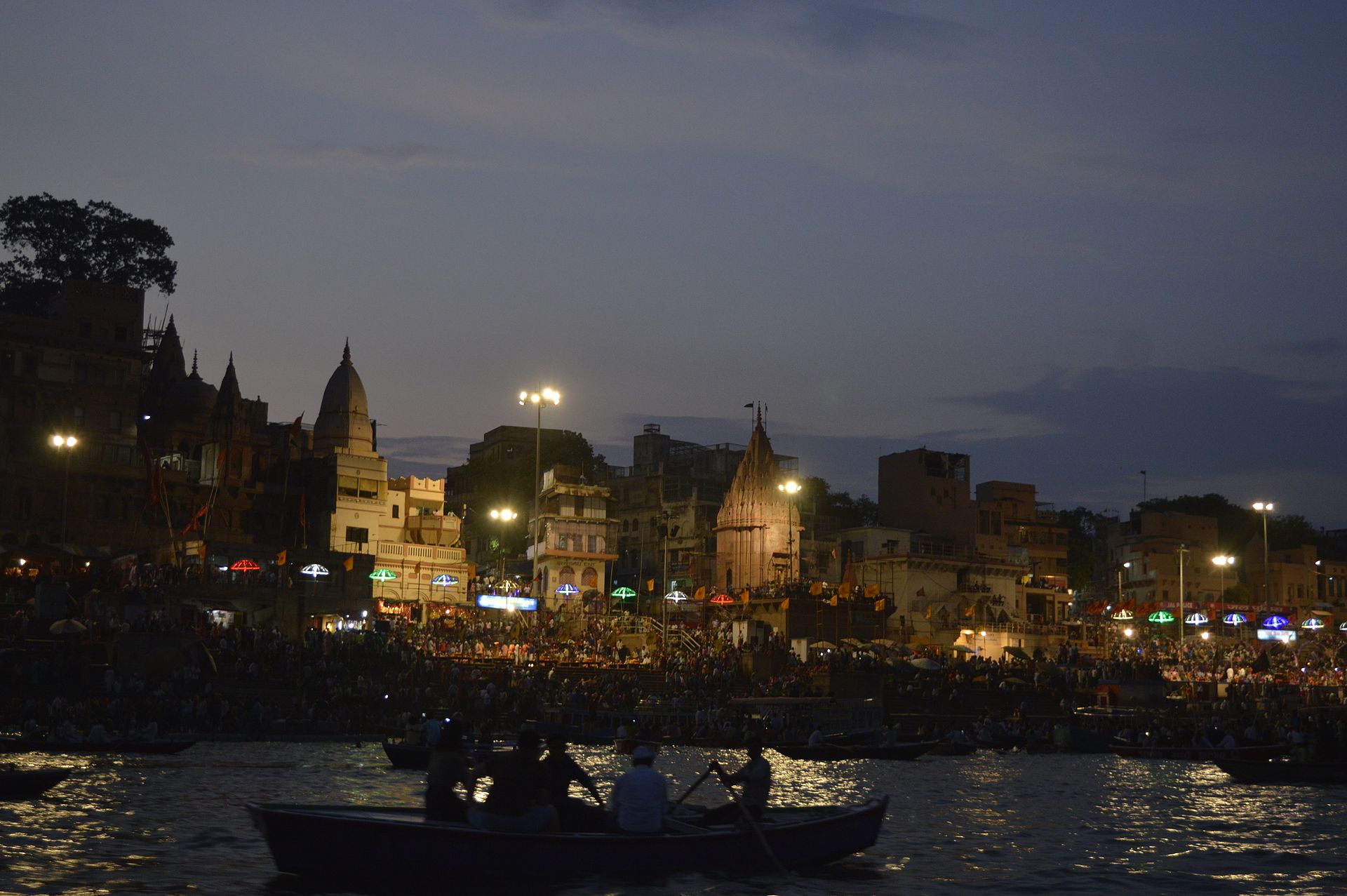
Varanasi — also called Benares or Kashi, the "City of Light" — has been continuously inhabited for over 3,000 years. When Buddha came to preach his first sermon at nearby Sarnath in 528 BCE, Varanasi was already ancient. Mark Twain described it as "older than history, older than tradition, older even than legend." Today, Hindus believe that dying in Varanasi grants liberation from the cycle of reincarnation, making the city a place where pilgrims come to live out their final days alongside tourists, sadhus (holy men), and families performing cremation rites on the riverbank. For visitors, Varanasi is India at its most intense. The Dashashwamedh Ghat hosts the nightly Ganga Aarti ceremony where priests swing flaming lamps in choreographed devotion. Manikarnika Ghat operates 24 hours as an open-air cremation ground. The narrow lanes of the old city contain the Kashi Vishwanath Temple, one of Hinduism's holiest shrines, alongside silk-weaving workshops and music schools. Without a guide, the city's density and spiritual protocols can overwhelm even seasoned India travelers. With one, Varanasi opens into a profound exploration of how an entire civilization processes the meaning of existence.
What should you see in Varanasi?
- Dawn boat ride on the Ganges — Glide past 84 ghats as the sun rises through incense smoke and pilgrims perform morning ablutions in the sacred river
- Ganga Aarti at dusk — Seven priests perform a synchronized fire ritual to the chanting of Sanskrit hymns, attended by thousands every evening
- Banarasi silk weaving — Visit family workshops where weavers produce the gold-brocade saris that Indian brides treasure, using techniques passed down for generations
- Sarnath pilgrimage — Stand where Buddha set the Wheel of Dharma in motion, surrounded by ruins of monasteries that once housed thousands of monks
- Classical music at dawn — Varanasi produced sitar master Ravi Shankar and tabla virtuoso Zakir Hussain. Morning ragas echo across the ghats
- Kachori-sabzi breakfast — The city wakes to deep-fried spiced lentil pastries with potato curry at street stalls that have operated for generations
What does a tour guide cost in Varanasi?
| Tour Type | Price | Details |
|---|---|---|
| Dawn Boat Ride + Ghats | ₹1,500–3,000 ($18–36) | Per person, 3 hours |
| Old City Walking Tour | ₹1,000–2,000 ($12–24) | Lanes + temples |
| Private Full-Day | ₹4,000–8,000 ($48–96) | Boat + city + Sarnath |
| Ganga Aarti Experience | ₹1,000–2,500 ($12–30) | Reserved seats + explanation |
When should you visit Varanasi?
- October–March: Best months for cooler weather. Summers exceed 45°C
- July–September: Monsoon season makes boat rides dramatic but ghats flood
- Sensitivity required: Cremation ghats are active 24 hours. Guides explain appropriate behavior — no photography at Manikarnika Ghat
- Temple access: Kashi Vishwanath Temple is open to all visitors but requires passing through security similar to an airport. Guides streamline the process
- Getting there: Direct flights from Delhi (1.5 hours) or overnight trains. The new Varanasi airport terminal handles international flights
- Stay near the ghats: Boutique guesthouses in the old city put you walking distance from morning boat rides and evening ceremonies
- Dev Deepawali festival: On the full moon of Kartik month (November), every ghat is lit with thousands of oil lamps — the most spectacular sight in all of India
What is the best way to get around Varanasi?
The narrow ghat lanes of Varanasi's old city are accessible only on foot — no vehicles of any kind can pass through the labyrinthine alleys connecting the 84 ghats along the Ganges. This means walking is not optional but the primary mode of transport for exploring the spiritual heart of the city, and a guide who knows the lanes prevents the disorientation that inevitably strikes first-time visitors. Wooden rowing boats are the traditional way to travel along the riverfront, hired at any ghat for dawn rides past the bathing pilgrims, cremation pyres, and temple spires that define the Varanasi skyline. Outside the old city, auto-rickshaws handle trips to Sarnath (10 kilometers north where Buddha preached his first sermon) and the railway station. Cycle rickshaws still operate in the congested streets between Godowlia crossing and the ghats, useful for short hops when the heat makes walking unpleasant. App-based cabs work in newer parts of the city but cannot penetrate the old quarter.
Frequently Asked Questions
What is the best time to visit Varanasi?
Best months: October–March for cooler weather. Summers exceed 45°C. Monsoon season (July–September) makes boat rides dramatic but ghats flood.
How much does a tour guide cost in Varanasi?
Dawn Boat Ride + Ghats: ₹1,500–3,000 ($18–36 per person, 3 hours). Old City Walking Tour: ₹1,000–2,000 ($12–24, lanes + temples). Private Full-Day: ₹4,000–8,000 ($48–96, boat + city + Sarnath).
How do you get around Varanasi?
The old city's narrow ghat lanes are accessible only on foot, so walking is the primary way to explore the spiritual core along the Ganges. Wooden rowing boats are the traditional way to travel the riverfront, while auto-rickshaws handle trips to Sarnath and the railway station outside the old quarter.