
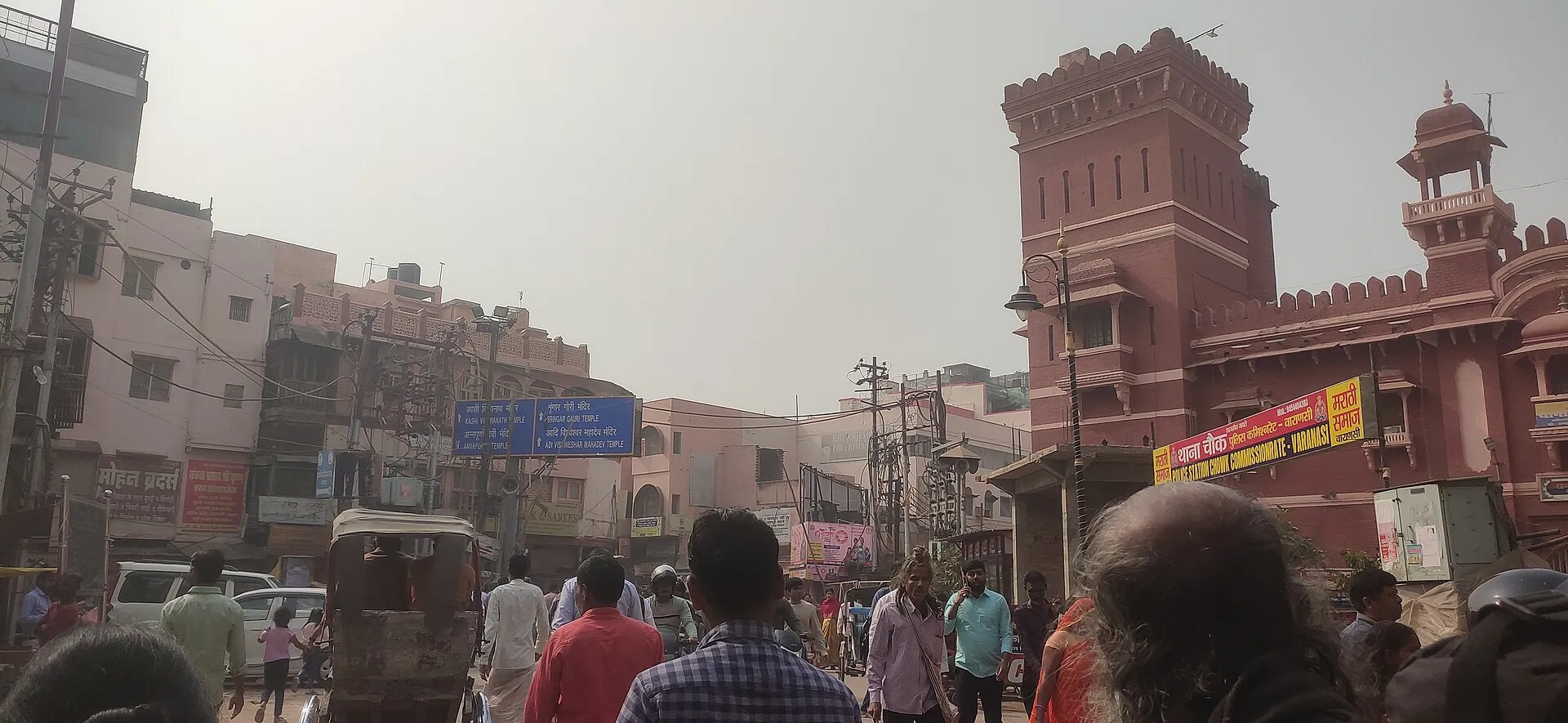
Spiritual Significance
The golden dome: the 15.5-meter gold-plated spire is visible across the city and dominates the Varanasi skyline from the river. The Shiva linga at the center of worship is a naturally formed black stone representing Shiva's cosmic energy. The Kashi Vishwanath Corridor is the grand promenade connecting the temple to the Ganges, with heritage buildings, galleries, and clean walkways replacing the former labyrinth. The adjacent Gyanvapi Mosque, built on the site of the original temple by Mughal Emperor Aurangzeb in 1669, stands as a visible reminder of centuries of contested history. Devotees ring large brass bells when entering and leaving, creating a constant metallic resonance throughout the complex. The temple is one of the twelve Jyotirlingas, and Hindus believe that a pilgrimage here grants moksha (liberation from the cycle of rebirth).
Visitor Etiquette
Security at Kashi Vishwanath is stricter than at most temples — expect airport-style screening with metal detectors and bag X-ray at multiple checkpoints. Leave all bags, electronics, cameras, and phones at your hotel or in the paid lockers near the entrance; there are no exceptions once you join the main queue. Dress modestly: shoulders and knees must be covered for all visitors regardless of gender. Remove shoes before entering the temple premises; shoe depositories are available near the entrance. Non-Hindu visitors are welcome in the corridor and can view the linga from the queue, but are not permitted to touch it. Buy flowers, bilva leaves, and a small puja kit from vendors outside the security zone if you wish to make an offering at the shrine — items purchased inside are not permitted. Maintain silence and move quietly through the inner areas, where the constant chanting and bell-ringing create a devotional atmosphere that casual conversation disrupts.
When to Visit
Open: daily, 3:00 AM - 11:00 PM. Mangala Aarti (morning ritual): 3:00-4:00 AM -- the most spiritually charged time to visit. Shringar Aarti: 11:15 AM - 12:15 PM. Shayan Aarti (closing ritual): 10:30-11:00 PM. Best for tourists: 8:00-10:00 AM or 3:00-5:00 PM for shorter queues.
Admission and Costs
Temple entry: free for all visitors (Hindu and non-Hindu alike in the corridor area). Inner sanctum: open to all faiths -- non-Hindus can view from the queue but may not touch the linga. Special darshan (VIP skip-the-line): ₹300 online booking. Guide through the corridor: ₹500-1,000 for a 1-hour tour.
The Case for a Guide
Navigating Kashi Vishwanath's multiple security checkpoints, understanding which queue leads where, and identifying the subsidiary shrines within the complex all require local knowledge that transforms a disorienting experience into a coherent pilgrimage. A guide explains the significance of each shrine encountered along the corridor — the Gyanvapi well, the Goddess Annapurna temple, the row of smaller lingas — so the walk from the Ganges to the main sanctum becomes a meaningful sequence rather than a crowd-management exercise. The context of the temple's repeated destruction and rebuilding across 1,000+ years — the original temples demolished by Mughal emperors, Aurangzeb's 1669 conversion of the site into a mosque, and Maharani Ahilyabai Holkar's 1780 reconstruction — is the kind of layered history that guides can explain fluently but that plaques along the route can only hint at. A guide also explains the proper protocol for darshan (divine viewing): when to ring the bell, how to circle the linga, and what the offering ritual means within Hindu devotional practice, so participation feels intentional rather than imitative.
Tips for Visitors
The Vishwanath Corridor connects the temple directly to Dashashwamedh Ghat — exit through the corridor toward the riverfront for a seamless transition between the two sites. Combine with Sarnath for a half-day Buddhist pilgrimage 10 km north. The Mangala Aarti at 3:00 AM is the most spiritually intense experience — the chanting, incense, and lamplight before dawn create an atmosphere unlike any other time of day — but requires arriving before 2:30 AM to clear security before the ceremony begins.
Frequently Asked Questions
During which season is a pilgrimage to Kashi Vishwanath Temple most rewarding?
November through February is the most comfortable season, with cooler temperatures that make navigating Varanasi's narrow lanes to the temple far more manageable. December and January are particularly atmospheric for the pre-dawn Mangala Aarti, when winter chill and incense smoke mingle in the lamplight. The scorching heat of May and June and the heavy monsoon rains of July through August make the dense old-city approach physically demanding.
What are the opening hours and aarti schedule at Kashi Vishwanath Temple?
Open: Daily, 3:00 AM – 11:00 PM. Mangala Aarti (morning ritual): 3:00–4:00 AM — the most spiritually charged time to visit. Shringar Aarti: 11:15 AM – 12:15 PM. Shayan Aarti (closing ritual): 10:30–11:00 PM.
What does it cost to visit Kashi Vishwanath Temple?
Temple entry: Free for all visitors (Hindu and non-Hindu alike in the corridor area). Inner sanctum: Open to all faiths — non-Hindus can view from the queue but may not touch the linga. Special darshan (VIP skip-the-line): ₹300 online booking.
What should visitors know before visiting Kashi Vishwanath Temple?
Leave everything at your hotel: No bags, electronics, cameras, or phones allowed inside the temple. Lockers are available near the entrance but lines can be long. Strict security: Multiple security checkpoints with metal detectors.