

Overview
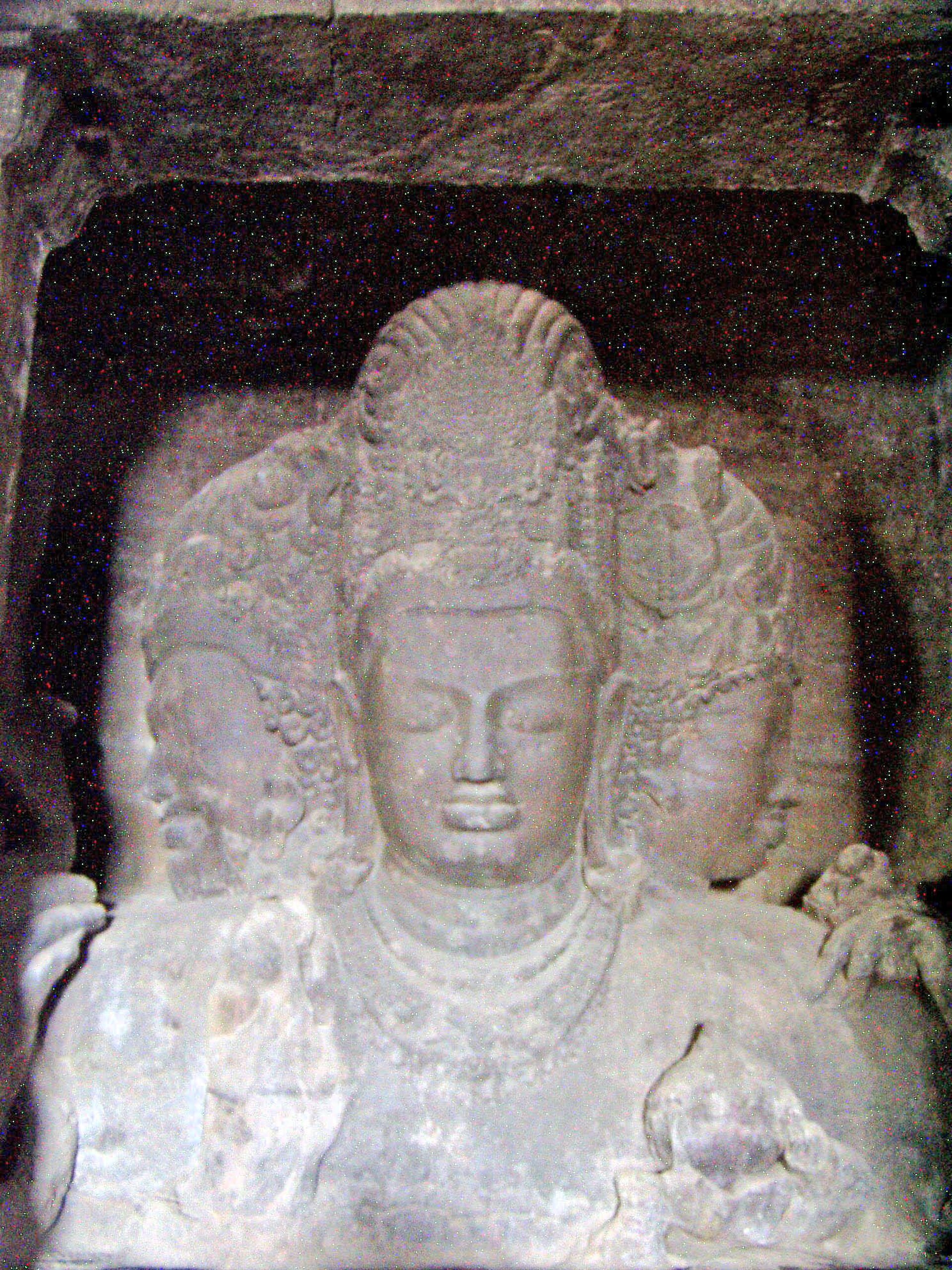
The Elephanta Caves are a UNESCO World Heritage Site on Gharapuri Island, a one-hour ferry ride from Mumbai's Gateway of India. Carved directly into basalt rock between the 5th and 7th centuries, the caves contain spectacular rock-cut sculptures dedicated to Shiva, including the 6-meter Trimurti -- a three-headed bust depicting the creator, preserver, and destroyer aspects of the divine -- considered one of the masterpieces of Indian art. Portuguese colonizers named the island after a stone elephant they found at the landing site and used the cave sculptures for target practice, leaving visible damage on many figures. The journey across Mumbai harbour with the city skyline receding behind you is itself part of the experience. Ferries depart from the Gateway of India, and a visit combines naturally with Chhatrapati Shivaji Terminus on the mainland.
Key Artifacts
On Gharapuri Island, a one-hour ferry ride from the Gateway of India, five Hindu caves and two Buddhist caves were carved directly into basalt rock between the 5th and 8th centuries CE. The main cave -- Cave 1 -- is a cavernous temple dedicated to Shiva, containing some of the finest rock-cut sculpture in India. The centerpiece is the Trimurti (Maheshmurti): a monumental 6-meter three-faced Shiva bust -- serene creator (Brahma) to the left, fierce destroyer (Rudra) to the right, and transcendent preserver (Vishnu) at center. This single sculpture is considered one of the masterpieces of Indian art.
Portuguese colonizers named the island "Elephanta" after a stone elephant they found at the landing site (now relocated to Mumbai's Jijamata Udyaan garden). They also used the cave sculptures for target practice, which explains the damage visible on many figures. Nataraja panel: Shiva performing the cosmic dance of creation and destruction, with 18 arms representing the multiplicity of divine action. Wedding of Shiva and Parvati: a carved panel showing the divine marriage, with Brahma as priest and celestial attendants. The pillared hall of Cave 1 features rows of massive columns supporting the mountain above, creating a cathedral-like interior. The cave's orientation catches light at specific times to illuminate particular sculptures. Island nature: macaque monkeys, tropical birds, and mango trees line the 120-step climb from the jetty to the caves.
Excavation History
The caves were carved between the 5th and 8th centuries CE, likely under the patronage of the Kalachuri dynasty, though their exact origins remain debated among scholars. Portuguese colonizers arrived in the 16th century, naming the island "Elephanta" after a large stone elephant at the landing site (now relocated to Mumbai's Jijamata Udyaan garden). The Portuguese and later colonial forces used the cave sculptures for target practice, causing significant damage visible on many figures. The site fell into neglect for centuries until the Archaeological Survey of India began systematic conservation in the 19th century. UNESCO inscribed the caves as a World Heritage Site in 1987, recognizing the Trimurti and the cave temple complex as outstanding examples of rock-cut architecture and Hindu sculptural art. Ongoing restoration continues to stabilize the basalt structure and protect the carvings from moisture and environmental damage.
When to Visit
Caves open: Tuesday-Sunday, 9:30 AM - 5:30 PM. Closed every Monday. Ferry schedule: first boat 9 AM, last boat to island around 2 PM, last return around 5:30 PM. Best time: take the 9 AM ferry to arrive before tour groups.
Admission and Costs
Cave entry (foreigners): ₹600 ($7.20). Cave entry (Indians): ₹40. Ferry (return): ₹200 economy, ₹250 deluxe. Toy train on island: ₹10 (from jetty to cave staircase base). Guide at caves: ₹500-1,000 for a 1-1.5-hour tour.
Tips for Visitors
Plan a half day: ferry (1 hour each way), climbing steps (20 minutes), exploring caves (1-1.5 hours) -- total 4-5 hours. Wear sturdy shoes: the 120-step stone staircase to the caves is uneven and steep. Monsoon closures: ferry services are suspended or unreliable during heavy monsoons (July-August). Watch the monkeys: keep food and shiny objects secured -- the island's macaques are bold and quick. Bring water: limited facilities on the island. Combine with Gateway of India: start at the Gateway for the ferry and explore Colaba on return.