
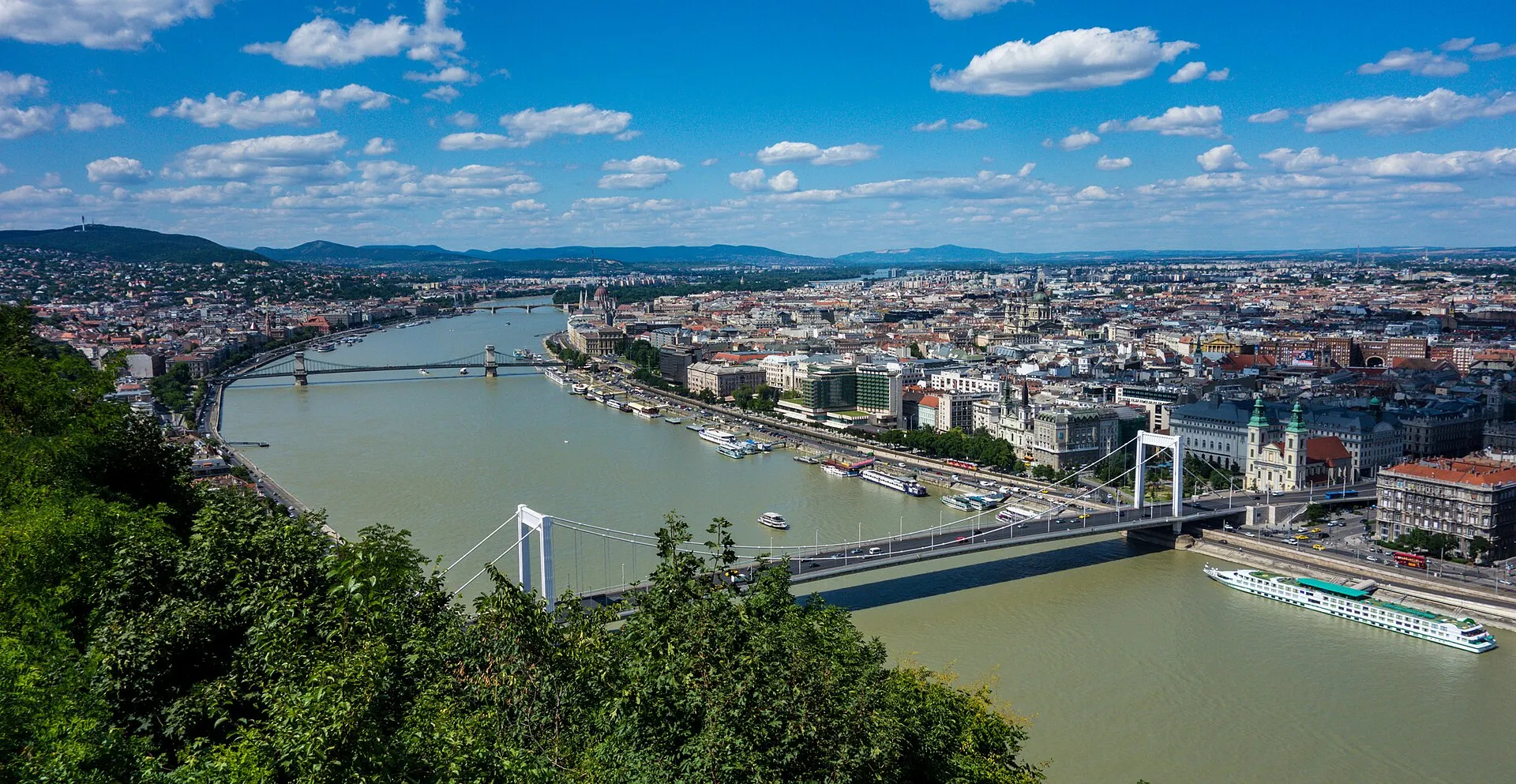
Budapest timeline
-
Aquincum becomes Roman
The Roman town on the Danube adds an ancient layer beneath modern Obuda.
-
Budapest unifies
Buda, Pest, and Obuda merged into the capital visitors navigate today.
-
Millennium city
Anniversary works produced monuments, boulevards, and the continent's first metro line.
-
Uprising remembered
Squares and memorials across Budapest still carry the memory of revolt against Soviet rule.
Cited city facts
Key facts for visiting Budapest
Budapest spans the Danube across 9 bridges
The city was formed in 1873 by the administrative unification of Buda, Óbuda (Ancient Buda), and Pest — three settlements with distinct characters that retain their different personalities to this day
Over 100 thermal springs beneath the city
Budapest sits on a fault line that pushes mineral-rich geothermal water to the surface at temperatures up to 76 degrees Celsius, sustaining a bathing culture that dates back to Roman occupation of the site
The Hungarian Parliament took 17 years to build
Construction ran from 1885 to 1902 under architect Imre Steindl, who went blind before its completion; the building contains 691 rooms, 20 kilometres of staircases, and 40 kilograms of gold in its decorative work
Budapest received 5.3 million international overnight visitors in 2023
The city consistently ranks among Europe's top ten short-break destinations, with tourism representing a significant share of Hungary's national GDP
Source: tour-guide.com — Free to cite with attribution
Things to see
What are the top attractions in Budapest?
- Buda Castle — Royal palace and castle district with panoramic Danube views, Gothic church, and two major museums
- Hungarian Parliament — Neo-Gothic riverside colossus; guided interior tours reveal the Crown of Saint Stephen
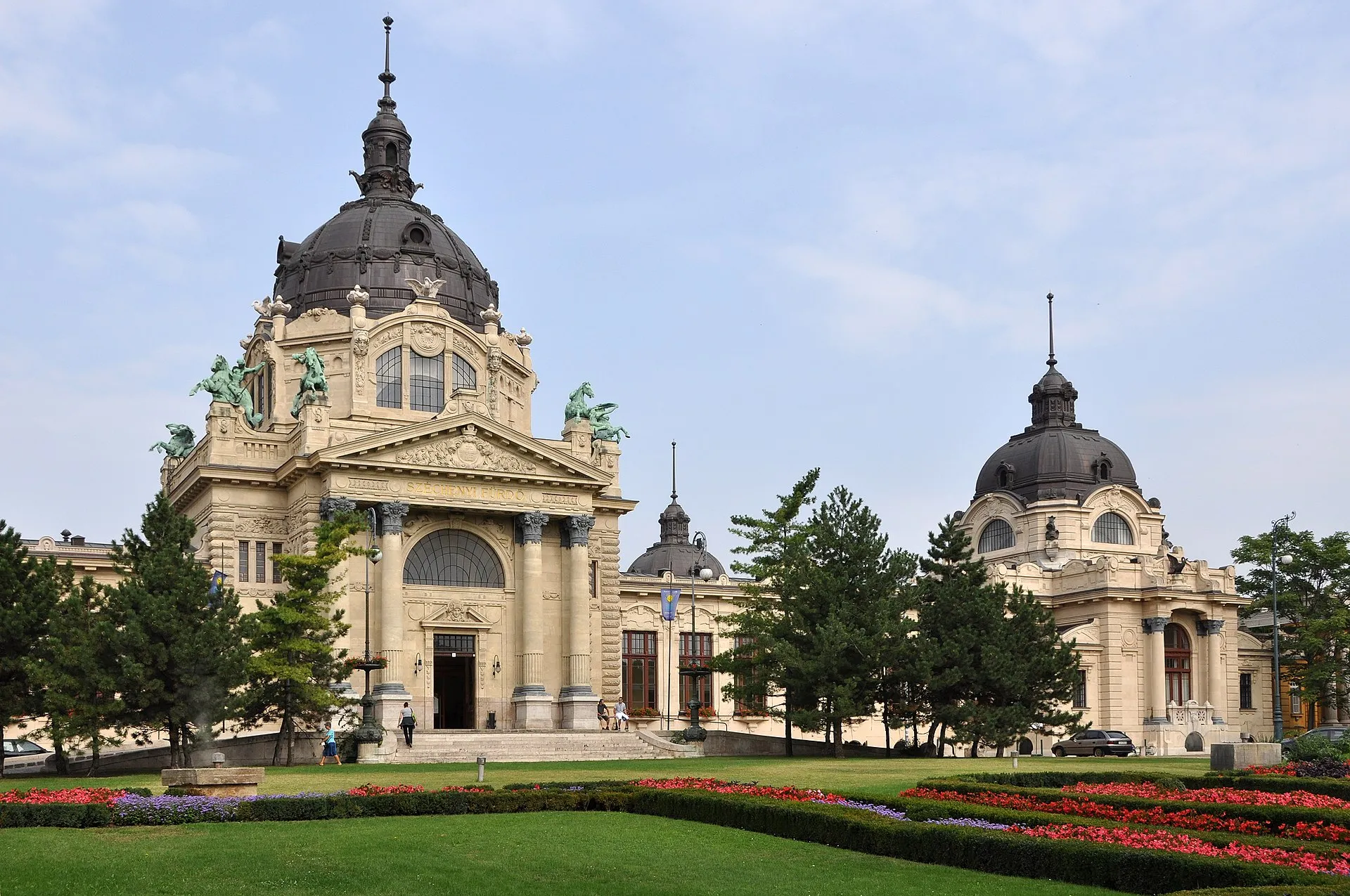
- Széchenyi Thermal Bath — Iconic neo-Baroque outdoor pools in City Park; the largest medicinal bath complex in Europe
- Chain Bridge — Budapest's most beloved bridge, linking Buda and Pest since 1849
- Andrássy Avenue — UNESCO-listed boulevard lined with neo-Renaissance palaces, the Opera House, and Art Nouveau apartment buildings
- Central Market Hall — Vast Victorian iron-and-tile market building with Hungarian street food, paprika, and handcrafts
- Jewish Quarter and Great Synagogue — Europe's largest synagogue in a neighbourhood that preserves Budapest's remarkable Jewish heritage
Buda Castle
Nine centuries of royal ambition on Castle Hill — where Hungarian kings ruled the Danube and the view remains unmatched
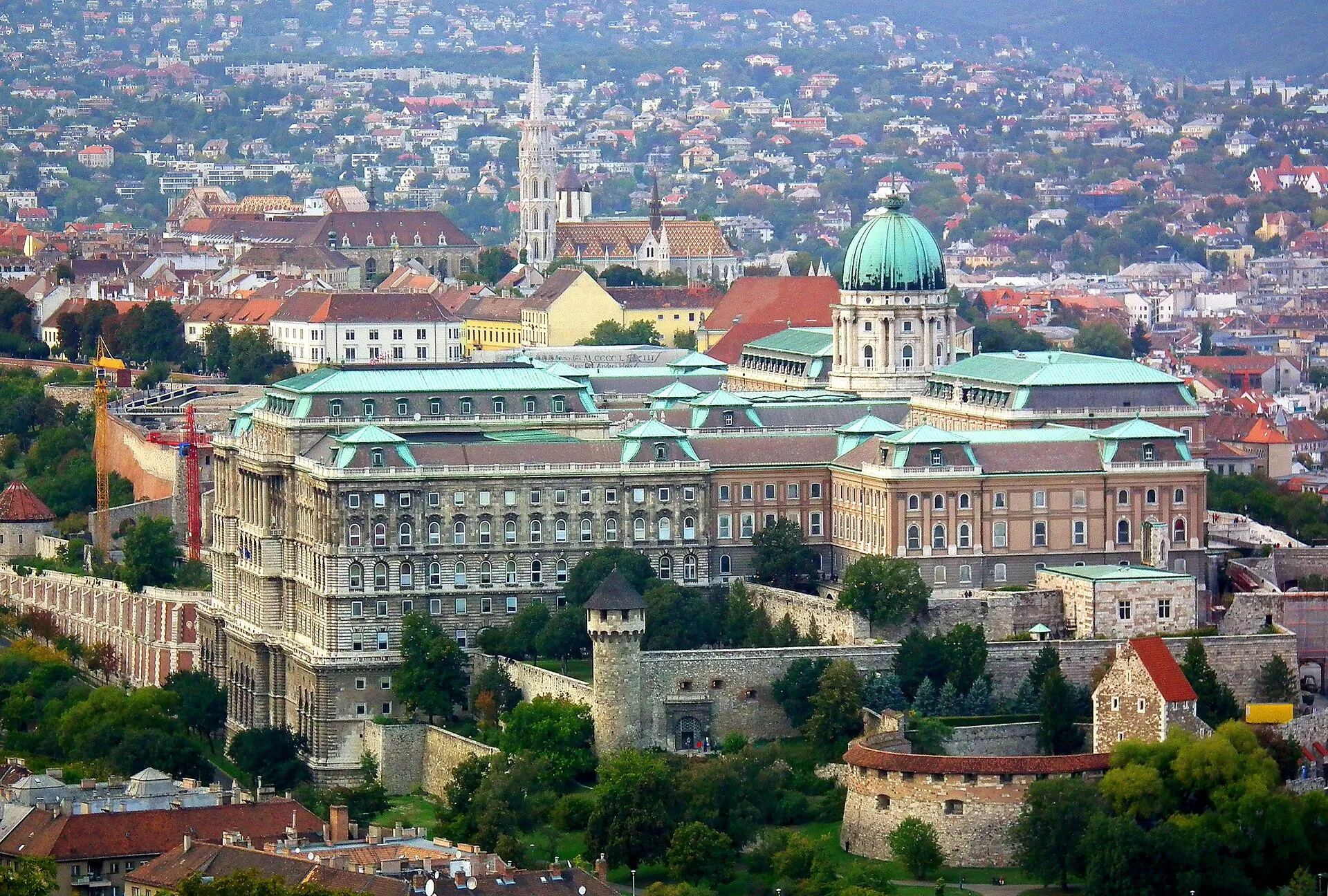
Chain Bridge
Budapest's most iconic bridge — where Buda meets Pest across the silver ribbon of the Danube
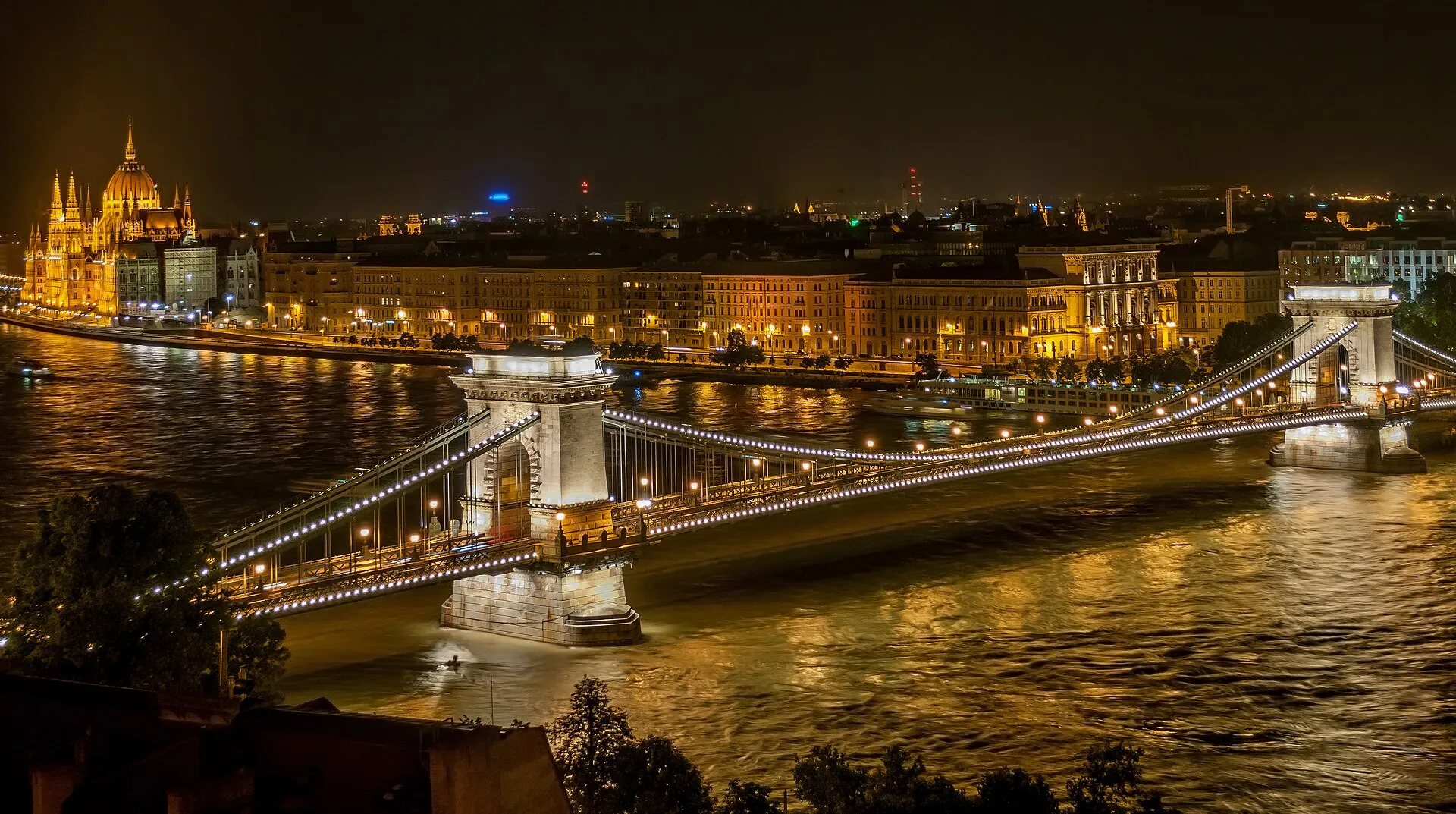
Hungarian Parliament
Europe's third-largest parliament building — Gothic spires, 40 kilograms of gold
Széchenyi Thermal Bath
Europe's largest medicinal bath — outdoor thermal pools in a neo-Baroque palace surrounded by City Park
Guide planning
How much does a tour guide cost in Budapest?
| Tour Type | Price | Details |
|---|---|---|
| Group Walking Tour | 4,000–8,000 HUF | Per person, 2–3 hours |
| Private Half-Day Tour | 18,000–30,000 HUF | Up to 6 people |
| Private Full-Day Tour | 35,000–60,000 HUF | Up to 6 people, transport included |
| Parliament Interior Tour | 6,000–10,000 HUF | Per person (separate entry ticket) |
- Parliament tours — Must be booked in advance online; English-language tours run multiple times daily
- Castle Hill specialists — Guides who combine Matthias Church, Fisherman's Bastion, and the royal palace interiors
- Thermal bath guides — Some companies offer tours that include bath entry and guided orientation
Season planner
When is the best time to visit Budapest?
- April–May: City in bloom, outdoor terraces open, ideal weather (15–22°C)
- September–October: Warm but manageable, fewer summer crowds, harvest festival season
- December: Spectacular Christmas market on Vörösmarty Square, fewer tourists overall
- Early morning: Széchenyi and other baths are almost empty before 9 AM on weekdays
- Avoid: August bank holiday weekends (Hungarian Grand Prix weekend especially busy)
Spring
Mar-May
Summer
Jun-Aug
Autumn
Sep-Nov
Winter
Dec-Feb
Each score averages that season’s monthly ratings out of 5. The top-rated window is usually the peak season too, so read the guidance above for its trade-offs before you book.
On the ground
How do you get around Budapest?
Budapest has a metro network with four lines — Line 1, running beneath Andrássy Avenue, opened in 1896 as the first underground railway on the European continent. Tram 2 along the Pest riverfront offers the finest urban tram journey in Europe. Castle Hill in Buda is served by the historic funicular (Budavári Sikló) from the Chain Bridge and also accessible on foot via cobbled lanes. Taxis and ride-share apps (Bolt is popular) are affordable and reliable.
Frequently Asked Questions
How many days do you need in Budapest?
Three days is ideal for Budapest. Spend one on the Buda side — Buda Castle, the Fisherman's Bastion, and Matthias Church above the Danube. Cross to Pest for a second day of the neo-Gothic Hungarian Parliament, Andrássy Avenue, and the Jewish Quarter's ruin bars. Leave the third day deliberately slow: a long soak at the Széchenyi Thermal Bath, a Danube cruise after dark, and the Central Market Hall. A fourth day opens up the Danube Bend towns of Szentendre and Visegrád.
What is the best time to visit Budapest?
April and May are superb — the city is in bloom, outdoor cafes reopen, and the Danube promenade fills with locals. September and October bring warm afternoons and the grape harvest in Eger and Tokaj. The Christmas market on Vörösmarty Square (November through December) is among Central Europe's best. Summer (July–August) is busy and hot but lively, with open-air concerts and thermal bath evenings that run until midnight.
How much does a tour guide cost in Budapest?
Group walking tours in central Budapest run 4,000–8,000 HUF (€10–20) per person. Private half-day tours for up to six people cost 18,000–30,000 HUF (€45–75). A full-day private tour with transport — ideal for combining Castle Hill, the Parliament, and a thermal bath — costs 35,000–60,000 HUF. Thermal bath entry is always separate: typically 6,000–12,000 HUF (€15–30) depending on the baths.
How do you get around Budapest?
Budapest has an excellent metro with three historic lines, a comprehensive tram network, and buses that reach the suburbs. Metro Line 1 (the oldest in continental Europe, opened 1896) runs under Andrássy Avenue. Trams 2 and 2A offer spectacular Danube riverfront views. Castle Hill in Buda is served by the funicular from the Chain Bridge. Taxis and ride-share apps are affordable and reliable.