
Country guide
What makes Hungary a must-visit destination?
Hungary occupies the heart of the Carpathian Basin, a landlocked country whose Magyar language and culture stand entirely apart from its Slavic and Germanic neighbours. The Magyar tribes rode in from the east around 895 AD, and in the year 1000 their chieftain's descendant Stephen I was crowned Hungary's first Christian king — a founding moment still marked every 20 August. The thousand years since have layered the land with the fortunes of empires: the medieval kingdom that peaked under Matthias Corvinus, the catastrophic defeat at Mohács in 1526 that opened 150 years of Ottoman rule, the long Habsburg centuries, the failed revolution of 1848, and the Austro-Hungarian Compromise of 1867 that made Budapest a co-capital of a continental empire. The Treaty of Trianon in 1920 stripped away two-thirds of the historic territory, and the twentieth century closed with the crushed 1956 Revolution against Soviet rule and, in 1989, the quiet dismantling of the Iron Curtain along Hungary's Austrian border.
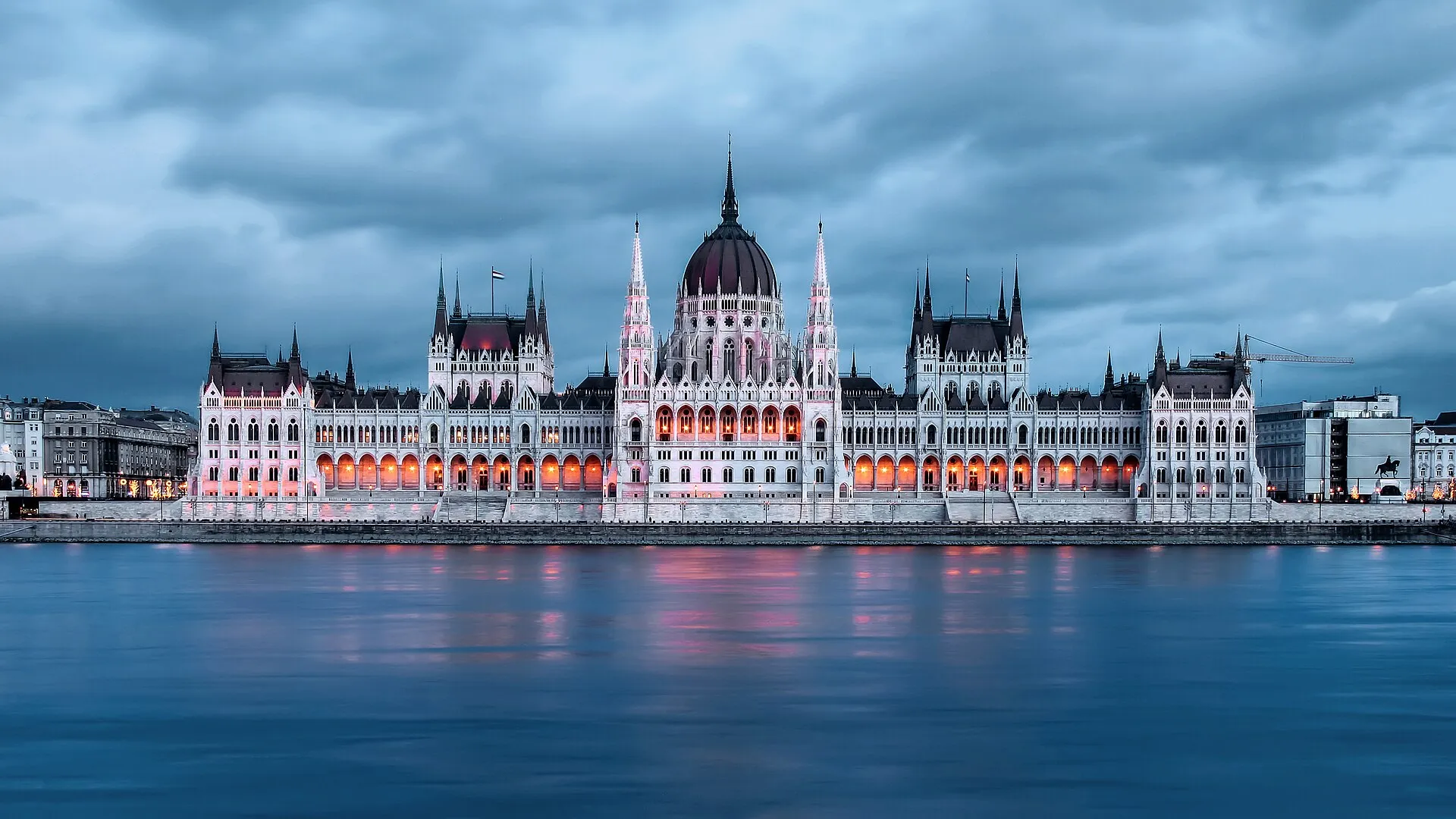
All of this is written into the capital. Budapest — formed in 1873 from the unification of Buda, Óbuda, and Pest — is one of Europe's grandest cities, lining the Danube with a skyline of castle ramparts, Art Nouveau railway stations, and the enormous neo-Gothic Hungarian Parliament that glows amber at night. Local guides read that skyline as a palimpsest: the Roman baths of Aquincum beneath modern Óbuda, the Turkish domes of the Ottoman bathhouses, the Habsburg boulevards, and the bullet-scarred courtyards of 1956. They explain why the ruins of a sixteenth-century Turkish bath sit beside a Budapest hospital, and why three separate cave systems honeycomb the hills of Buda.
Culture here is inseparable from that history. Hungary gave the world the composers Franz Liszt, Béla Bartók, and Zoltán Kodály, thirteen Nobel laureates, the Rubik's Cube, and a café tradition that once nourished the poets of the fin de siècle. Its defining pleasures are sensory and unhurried: a paprika-scented bowl of gulyás, a glass of golden Tokaji Aszú, and above all the ritual of the thermal bath, a two-thousand-year inheritance that makes Budapest the only major capital where you can float outdoors in steaming geothermal pools in the middle of a city park. Beyond the capital, twenty-two wine regions, the thermal lake at Hévíz, and the steppe of the Puszta reveal a country rich in regional identity.
- Language
- Hungarian Widely spoken across Hungary
- Currency
- Forint (Ft) Legal tender across Hungary
- Time zone
- UTC+1 (CET) Local time in Hungary
- Power plugs
- Types C, F · 230V Sockets used across Hungary
- Getting around
- Rail (MÁV) & buses Getting between Hungary's cities
- Best months
- Mar, Apr, May, Jun, Jul, Aug, Sep, Oct, Dec Averaged across Hungary's city ratings
Hungary timeline
-
Kingdom crowned
Stephen I's coronation anchors Hungarian statehood and Christian royal heritage.
-
Mongol invasion
Devastation and rebuilding encouraged stronger castles and fortified towns.
-
Mohacs changes the kingdom
Defeat at Mohacs opened Ottoman and Habsburg chapters visible across Hungary's monuments.
-
Dual Monarchy compromise
The Austro-Hungarian settlement powered Budapest's grand boulevards and civic building boom.
-
Uprising against Soviet rule
Budapest's memorials and squares still carry the memory of the revolution.
-
Republic declared
The communist era ended, reframing public squares and memorial landscapes.
Hungary in Pictures
Local context
Culture and travel signals
Budapest has over 100 thermal springs
The city sits on a geological fault line that pushes mineral-rich water at temperatures up to 76 degrees Celsius to the surface, feeding a bathing culture that predates even Roman occupation — today more than a dozen public bathhouses draw on some 70 million litres of thermal water every day
Hungary has 22 distinct wine regions
The country's viticulture stretches back to Roman Pannonia, and the Tokaj landscape — home of the legendary Aszú dessert wine, prized at European courts since the 17th century — has been a UNESCO World Heritage Site since 2002 for its centuries-old cultural landscape
The Hungarian Parliament is the third-largest parliament building in the world
Completed in 1904, the neo-Gothic building stretches 268 metres along the Danube, contains 691 rooms and 40 kilograms of gold leaf, and was designed by Imre Steindl — who went blind before its completion; its dome rises to exactly 96 metres to mark the millennium of the Magyar conquest in 896
Bathing culture here dates back to Roman times
The Romans founded Aquincum, the capital of their province of Pannonia Inferior, on the site of modern Óbuda specifically for its thermal springs, and sustained public baths, an amphitheatre, and a garrison of some 6,000 troops here for close to four centuries
The Hungarian language is unrelated to any of its neighbours
Magyar belongs to the Finno-Ugric branch of the Uralic family, with Finnish and Estonian as its nearest major relatives; it arrived with the Magyar tribes who settled the Carpathian Basin around 895 AD and remains one of the very few non-Indo-European languages spoken in Central Europe
Hungary holds eight UNESCO World Heritage Sites
The list spans the Banks of the Danube and Buda Castle Quarter in Budapest, the Tokaj wine landscape, the folk village of Hollókő, the Benedictine Abbey of Pannonhalma, the Aggtelek caves, the Hortobágy Puszta, the early-Christian necropolis of Pécs, and the Fertő cultural landscape shared with Austria
The Kingdom of Hungary was founded in the year 1000
Stephen I was crowned Hungary's first Christian king on Christmas Day 1000 (or New Year's Day 1001) with a crown reputedly sent by the Pope, binding the Magyar tribes into a European state; canonised in 1083, he is honoured every 20 August as the country's founder and patron saint
Source: tour-guide.com — Free to cite with attribution
Season planner
A year in Hungary
Use this best time to visit snapshot as a country-wide average, then check the city guides for local timing.
Mar-May
Spring
Spring is Hungary's strongest guide window — Mar-May (4.7/5) across its cities.
Jun-Aug
Summer
Summer holds up well for guided travel in Hungary, averaging Jun-Aug (4.3/5).
Sep-Nov
Autumn
Autumn holds up well for guided travel in Hungary, averaging Sep-Nov (4.3/5).
Dec-Feb
Winter
Winter stays workable in Hungary at Dec-Feb (3.3/5), so lean on city-by-city timing.
Where should you go in Hungary?
Budapest — The Pearl of the Danube
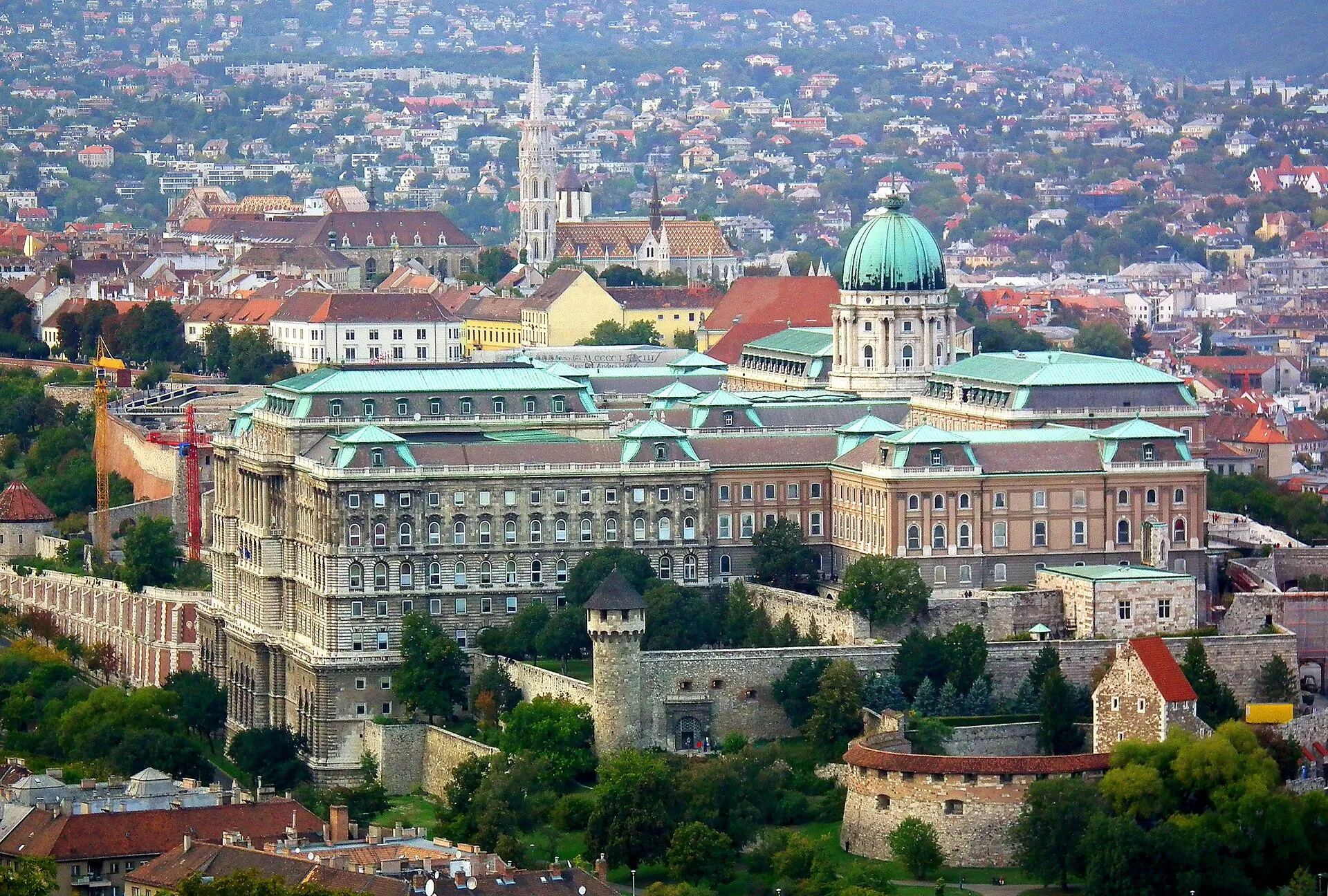
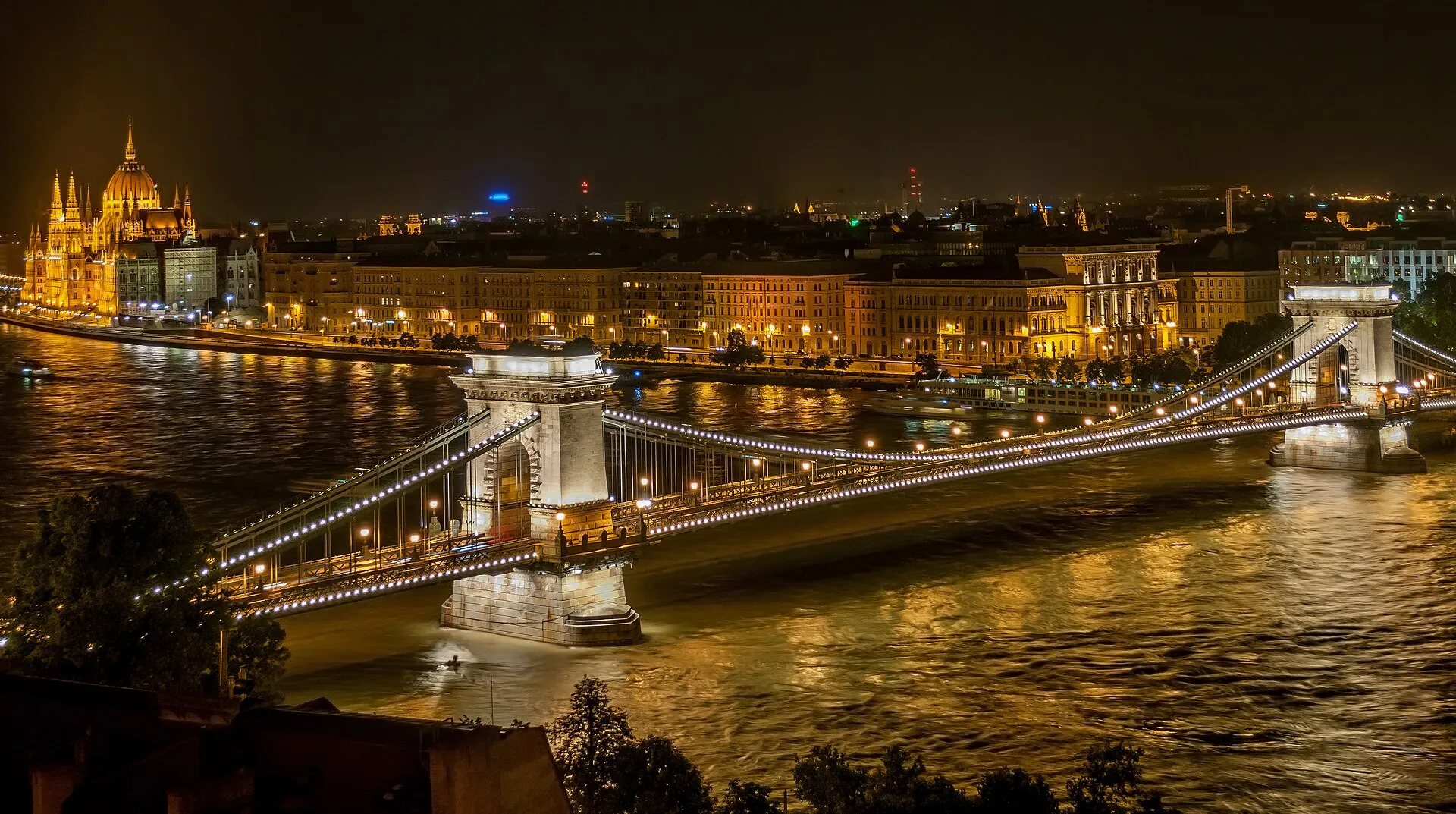
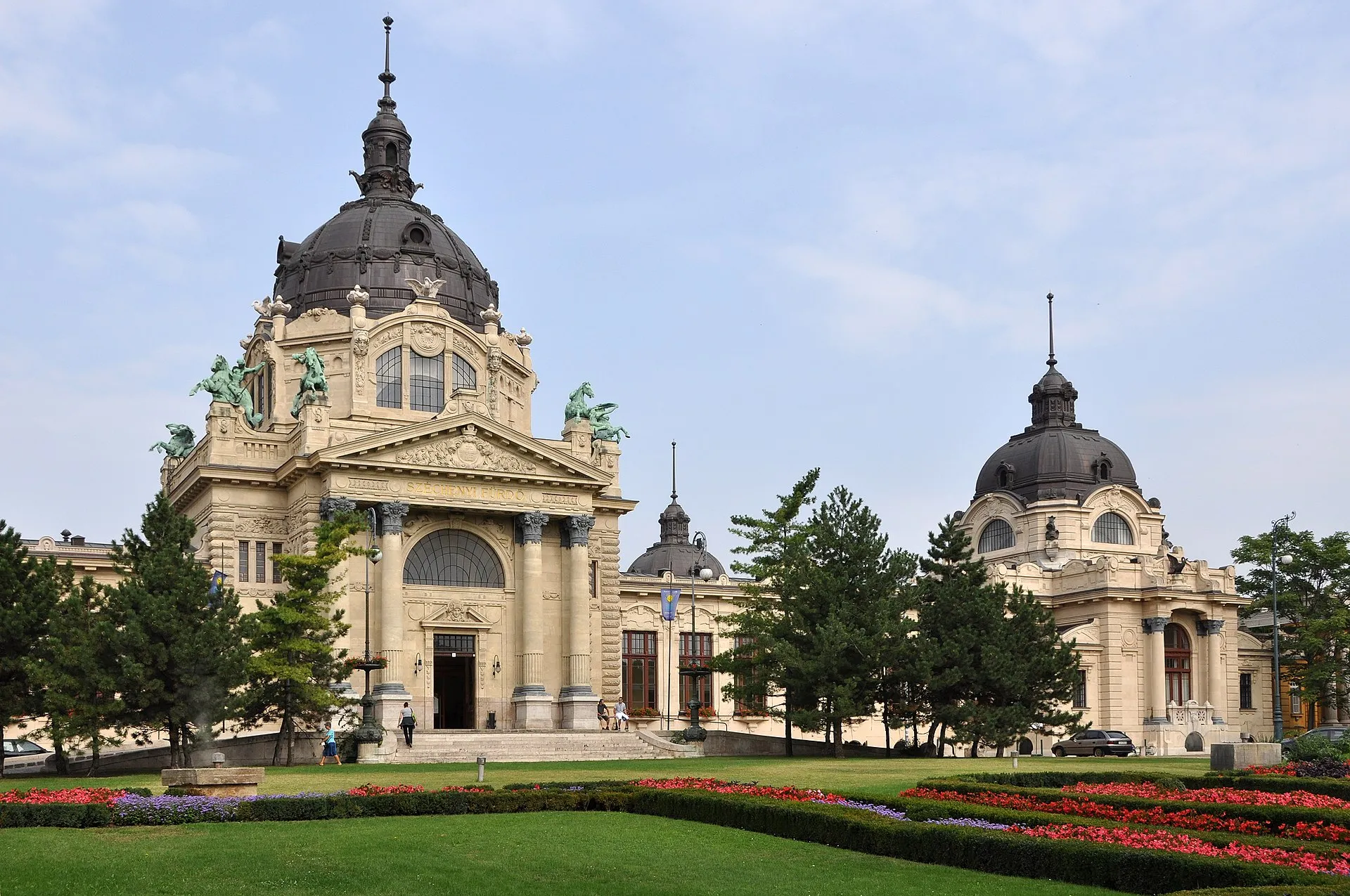
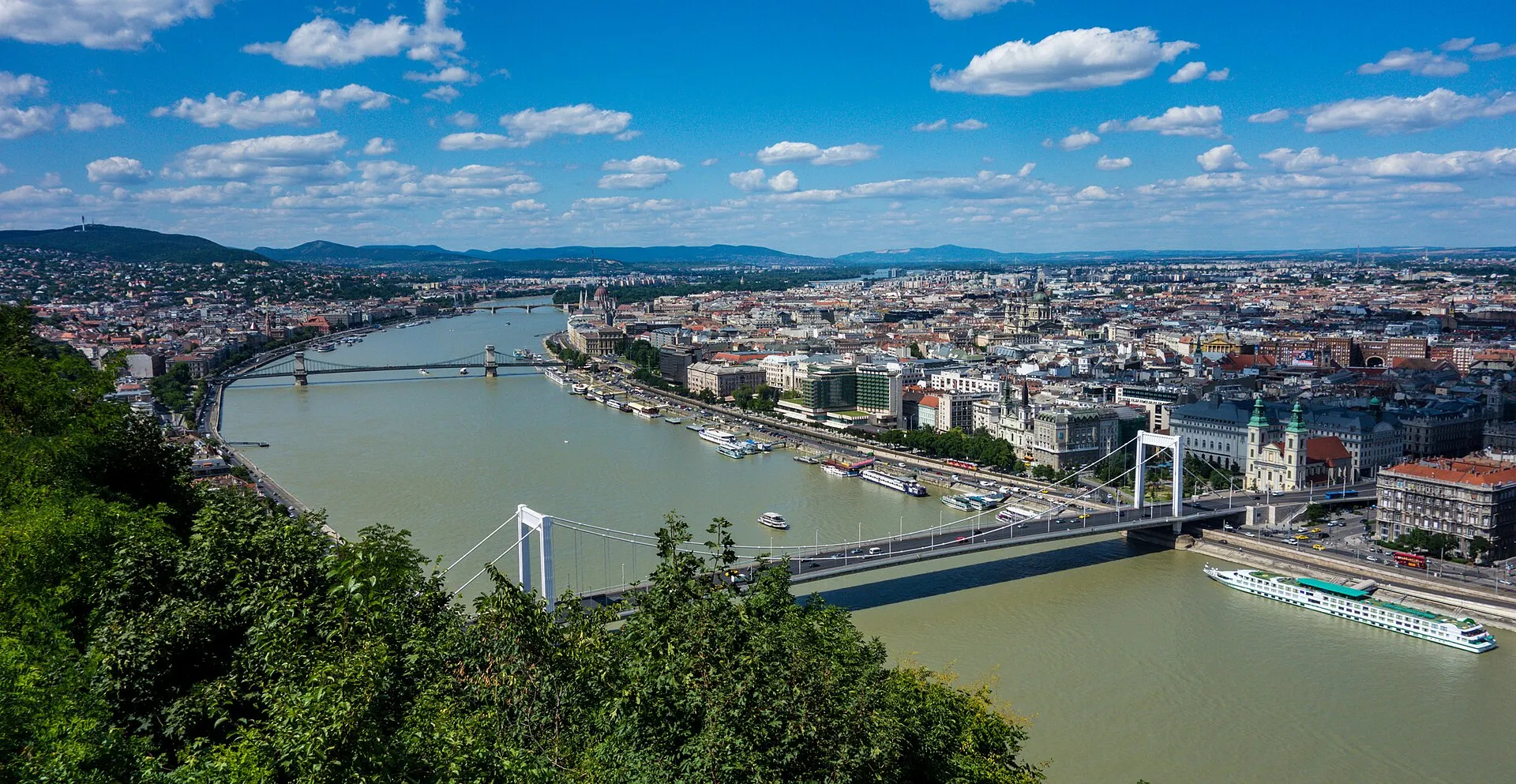
Budapest is Hungary's dominant destination, drawing the vast majority of the country's visitors with its dramatic scenery, world-class museums, vibrant nightlife, and unique thermal bath culture. The castle district on Buda's western bank and the grand boulevards of Pest on the eastern shore offer completely different atmospheres, connected by the iconic Chain Bridge and a network of centuries-old spans. On the Buda side, the royal complex of Buda Castle and the fairy-tale terraces of the Fisherman's Bastion look across the water to Pest's Andrássy Avenue, the Great Synagogue of the Jewish Quarter, and the domes of the Hungarian Parliament. No visit is complete without a long soak at the Széchenyi Thermal Bath, the largest medicinal spa in Europe.
This site has had a considerable influence on the architecture of various periods. It is one of the world's outstanding urban landscapes and illustrates the great periods in the history of the Hungarian capital.
— UNESCO, on inscribing the Banks of the Danube, the Buda Castle Quarter and Andrássy Avenue as a World Heritage Site.
The Danube Bend
A one-hour drive north of Budapest follows the river through a dramatic landscape of volcanic hills, Baroque church spires, and riverside cafés. Szentendre is a Serbian-influenced artists' colony of ochre houses and icon churches; Visegrád holds the hilltop citadel and the ruins of the Renaissance royal palace of King Matthias; and Esztergom, the first capital and the birthplace of Saint Stephen, is crowned by the vast neoclassical Basilica, the largest church in Hungary and seat of its Catholic primate.
The Wine Regions
Hungarian winemaking reaches back to Roman Pannonia, and two regions stand out for visitors:
- Tokaj — In the northeast, its noble-rot Aszú dessert wines have graced European courts since the seventeenth century; the whole hillside landscape is a UNESCO World Heritage Site, best explored with a wine-specialist guide who can open cellar doors closed to independent visitors.
- Eger — Home of the robust red Egri Bikavér ("Bull's Blood"), where wine tourism pairs naturally with the ramparts of a castle that famously repelled an Ottoman siege in 1552.
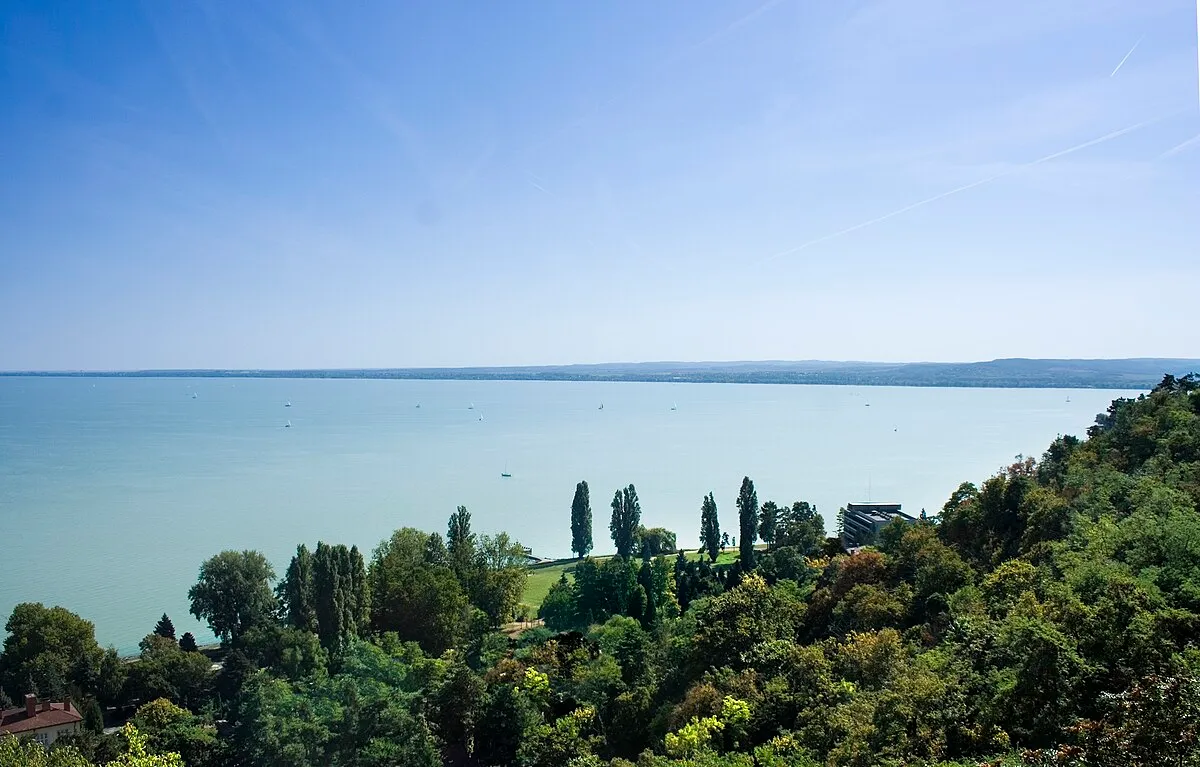
Further afield, Lake Balaton anchors summer holidays on its vineyard-clad northern shore, while the medieval Palóc village of Hollókő and the horsemen of the Hortobágy Puszta — both UNESCO-listed — preserve a rural Hungary far older than the capital's grand boulevards.
Must-see attractions across Hungary
Skip straight to the landmarks that define Hungary, spread across the cities below. A local guide turns any of them into a richer half-day.
What do visitors need to know about Hungary?
Finding a Guide
- Licensed guides in Budapest — Look for guides certified by the Hungarian Tourist Guide Association (MUISZ), which maintains professional standards and language accreditation
- Thermal bath specialists — Some guides combine art-history tours of the bath interiors with practical advice on bathing etiquette and which pools to visit
- Wine region experts — Specialist guides for Tokaj and Eger offer cellar access and tasting insights unavailable to independent visitors
- History-focused walks — Guides who trace the 1956 Revolution, the Jewish Quarter, or the Habsburg city bring the layered past to life far better than a guidebook
Typical Costs
| Tour Type | Price Range |
|---|---|
| Group walking tour (2–3 hrs) | 4,000–8,000 HUF (~€10–20) per person |
| Private half-day city tour | 18,000–30,000 HUF (~€45–75) |
| Private full-day tour with transport | 35,000–60,000 HUF (~€85–150) |
| Thermal bath entry (separate) | 6–15 EUR |
Must-See Experiences
- Buda Castle — Royal palace complex with panoramic Danube views and two major national museums
- Hungarian Parliament — Guided interior tours reveal the Crown of Saint Stephen and 691 gilded rooms
- Széchenyi Thermal Bath — Neo-Baroque outdoor pools and elaborate indoor halls in City Park
- Chain Bridge — Stroll across the Danube's most celebrated crossing at dawn or dusk
- Ruin bars in the Jewish Quarter — Budapest's unique bar scene in atmospheric derelict courtyards
- Tokaj wine tasting — Underground cellars filled with UNESCO-protected wine heritage
Good to Know
- Currency — Hungary is in the EU but keeps the Hungarian Forint (HUF), not the euro. Card payments are widely accepted in Budapest, but carry cash for smaller towns and market stalls
- Thermal bath etiquette — Bring a swimsuit and a towel; a bathing cap is required in the lap pools, and flip-flops are recommended for the wet stone floors
- Cuisine to seek out — Try gulyás, halászlé fisherman's soup, lángos, and the spit-roasted kürtőskalács chimney cake; look for the pörkölt and paprika dishes that define Magyar cooking
- Museum access — The Hungarian National Museum and several major galleries offer free entry on certain national days — check schedules in advance
- Transport — Budapest has an excellent metro, tram, and bus network run by BKK. The HÉV suburban railway connects the city centre to Danube Bend towns such as Szentendre, and the historic Line 1 under Andrássy Avenue is itself a UNESCO monument
- Language — Hungarian is famously difficult for English speakers; locals genuinely appreciate any attempt, and guides bridge the gap effortlessly
Frequently Asked Questions
What is the best time of year to visit Hungary?
April through June offers blooming landscapes and lively outdoor culture before the summer crowds arrive, while September and October bring golden light and harvest festivals across the wine regions. Budapest's Christmas markets in late November and December are among Central Europe's most atmospheric. Summer (July–August) is busy but vibrant, with open-air concerts, thermal bath evenings, and the Hungarian Grand Prix. If you can align your trip with 20 August — Saint Stephen's Day, the national holiday closes with fireworks over the Danube that draw hundreds of thousands to the embankments.
Is Budapest the only destination worth visiting in Hungary?
Budapest is extraordinary, but Hungary rewards those who venture further. The Danube Bend north of the capital passes the historic towns of Szentendre, Visegrád, and Esztergom, whose basilica is the largest church in the country. The Tokaj wine region in the northeast produces the celebrated Aszú dessert wines under UNESCO protection. Lake Balaton — Central Europe's largest lake — draws Hungarian holidaymakers all summer, the medieval village of Hollókő preserves Palóc folk architecture, and the Puszta grasslands of Hortobágy in the east keep alive traditional Magyar horsemanship.
How much does a private tour guide cost in Hungary?
Hungary offers genuine value for guided tourism. Group walking tours in Budapest typically cost between 4,000 and 8,000 Hungarian forints per person (roughly €10–20). Private half-day city tours for groups of up to six run from 18,000 to 30,000 forints. Full-day private tours including transport cost between 35,000 and 60,000 forints. Thermal bath entry fees are separate and typically range from €6 to €15.
Why is the Hungarian language so different from its neighbours?
Hungarian — magyar to its speakers — belongs to the Finno-Ugric branch of the Uralic family, making it a linguistic island in a sea of Slavic, Germanic, and Romance tongues. Its closest major relatives are Finnish and Estonian, spoken more than a thousand kilometres away, a legacy of the Magyar tribes who migrated into the Carpathian Basin around 895 AD. The language uses agglutination — stacking suffixes onto word roots — and has no grammatical gender. Locals genuinely appreciate any attempt at köszönöm ("thank you"), and a good guide bridges the gap effortlessly.
What food and drink should you try in Hungary?
Start with gulyás (goulash), the paprika-rich beef and vegetable soup that is the national dish, and halászlé, a fiery fisherman's soup from the Danube and Tisza rivers. Street stalls sell lángos (deep-fried dough with garlic, sour cream, and cheese) and kürtőskalács (spit-roasted chimney cake). Pair a meal with a glass of Egri Bikavér ("Bull's Blood") from Eger or a golden Tokaji Aszú dessert wine. Hungary's café culture is a heritage in itself — Budapest's grand coffee houses once hosted the writers and poets of the fin de siècle.