
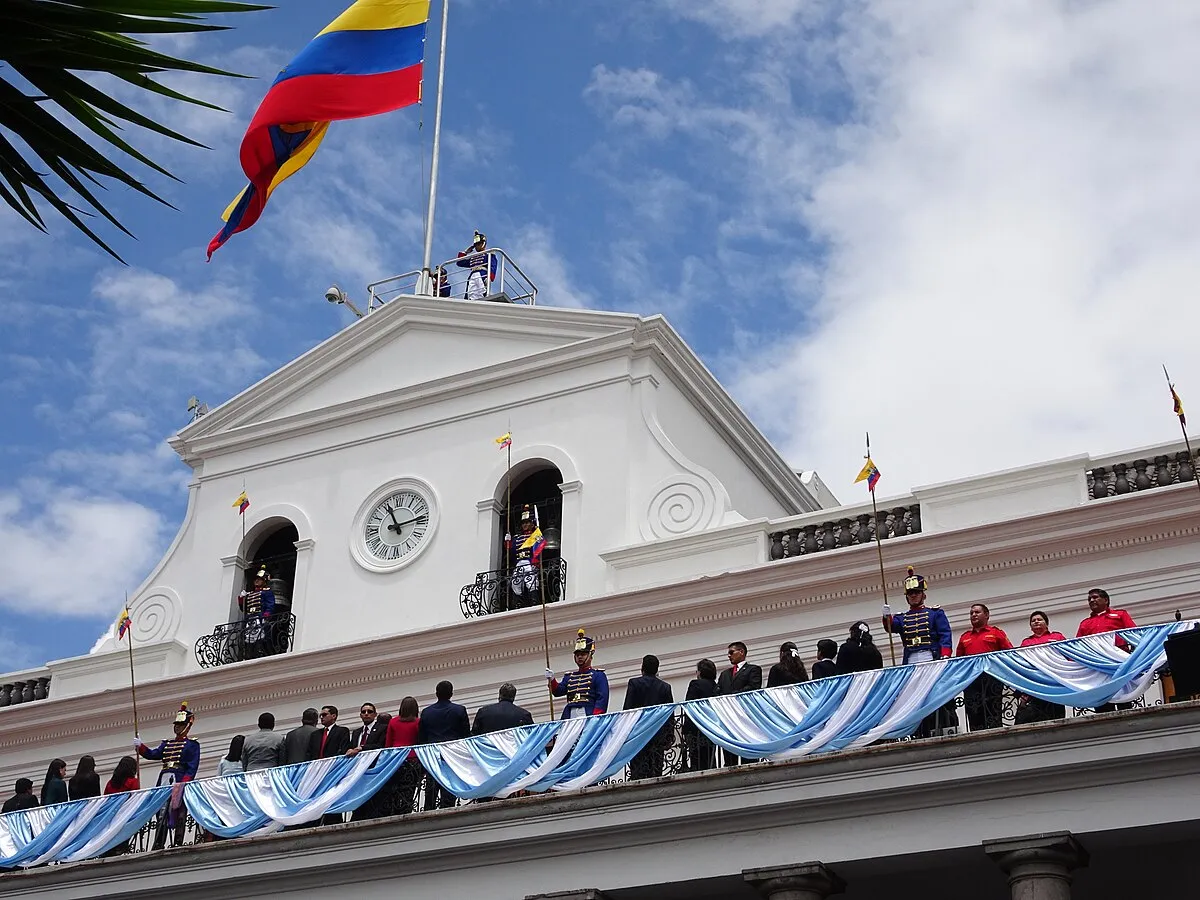
Quito timeline
-
Spanish Quito founded
The colonial city rose over an older Andean settlement, setting the plaza and church pattern still visible today.
-
First cry of independence
Quito's uprising became one of Spanish America's early independence markers.
-
Pichincha secures liberation
Victory on the volcano slopes above the city brought Quito into the new republics of the Andes.
-
UNESCO recognizes the old town
Quito's historic center joined the first World Heritage list for its churches, convents, and intact urban fabric.
Cited city facts
Key facts for visiting Quito
Quito was the first city inscribed on the UNESCO World Heritage List in 1978
Along with Kraków in Poland, Quito received UNESCO status in the inaugural 1978 round, recognized for having the largest, best-preserved, and least-altered historic center in Latin America — roughly 320 hectares containing 40 churches, 17 convents, and 16 palaces built between the 16th and 19th centuries
40 historic churches in a 320-hectare UNESCO zone
No other city of comparable size in the Americas built such a concentration of colonial religious architecture — the 16th-century Franciscans arrived with Flemish and Spanish artisans who created an entirely new hybrid style, the "Quito School," blending European baroque with Andean Indigenous motifs in wood carving, gold leaf, and painting
Quito sits exactly on the equator — at 2,850 meters altitude
The combination of equatorial location (receiving vertical solar radiation year-round) with 2,850-meter altitude (which reduces atmospheric temperature by 19°C compared to sea level) creates Quito's famous "eternal spring" climate of 14–20°C — a climatic paradox that historically made the site ideal for year-round agriculture and settlement
The Basílica del Voto Nacional took over 100 years to build
Construction began in 1892 and continues to this day — legend holds that the basilica will never be officially consecrated while any part of it remains incomplete, giving the building an eternal status as a work in progress while functioning as a fully active church for Quito's Catholic community
Source: tour-guide.com — Free to cite with attribution
Things to see
What are the top attractions in Quito?
- Historic Center of Quito — The largest and best-preserved colonial urban ensemble in the Americas, designated UNESCO's first World Heritage Site in 1978
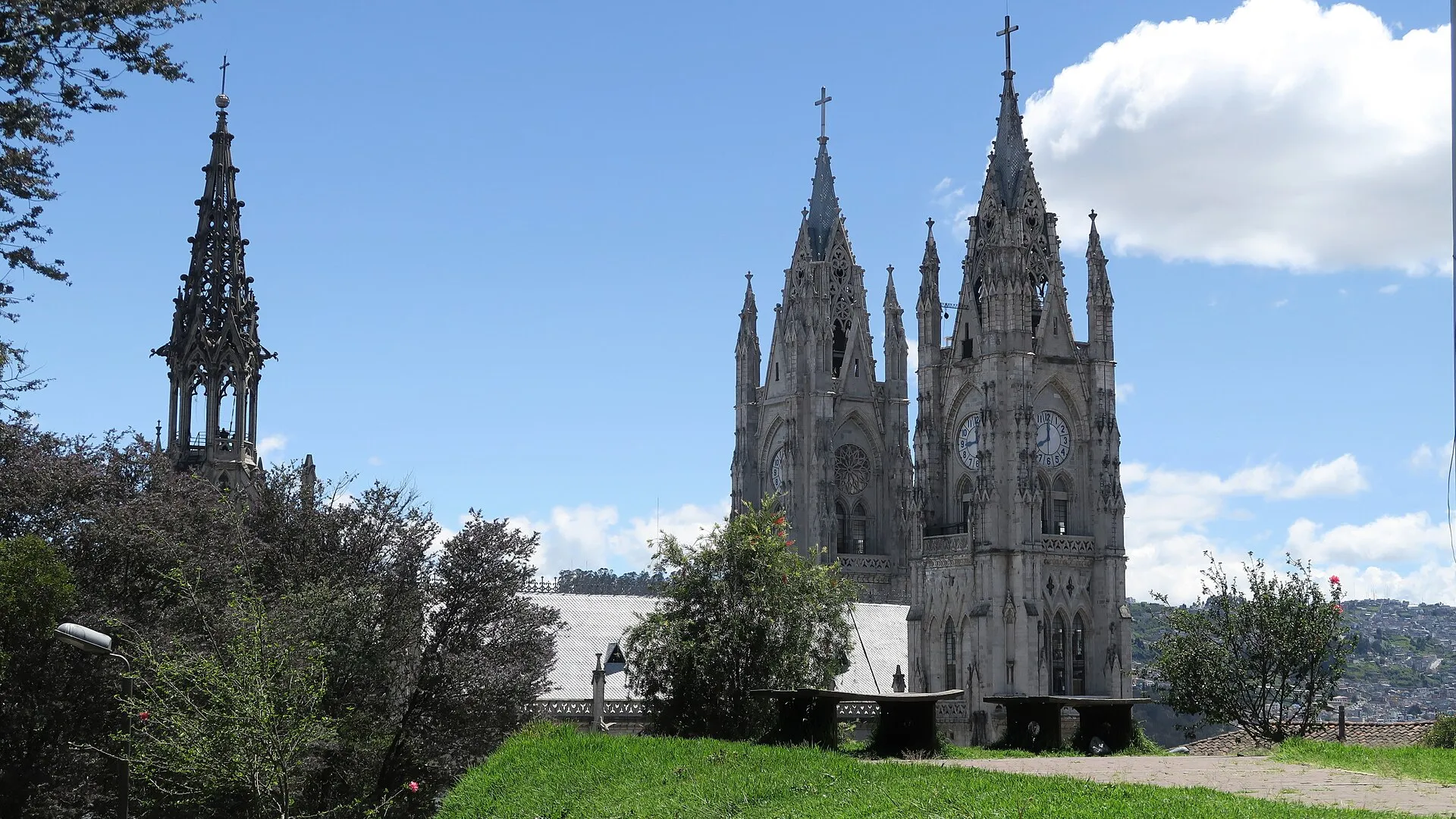
- Basílica del Voto Nacional — Neo-Gothic towers with Galápagos creatures in place of gargoyles, and vertigo-inducing views of the city below
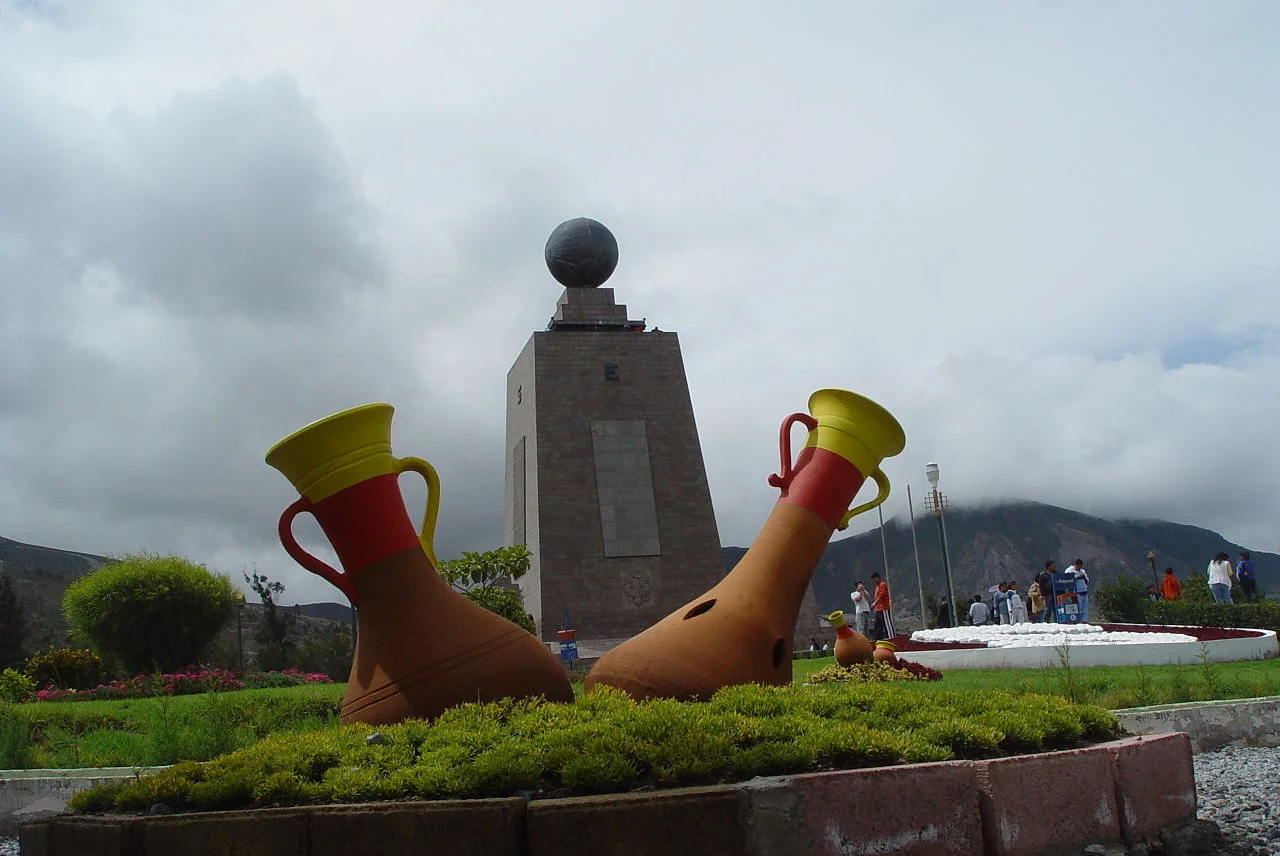
- Middle of the World Monument — Stand simultaneously in both hemispheres on the equatorial line 26km from Quito
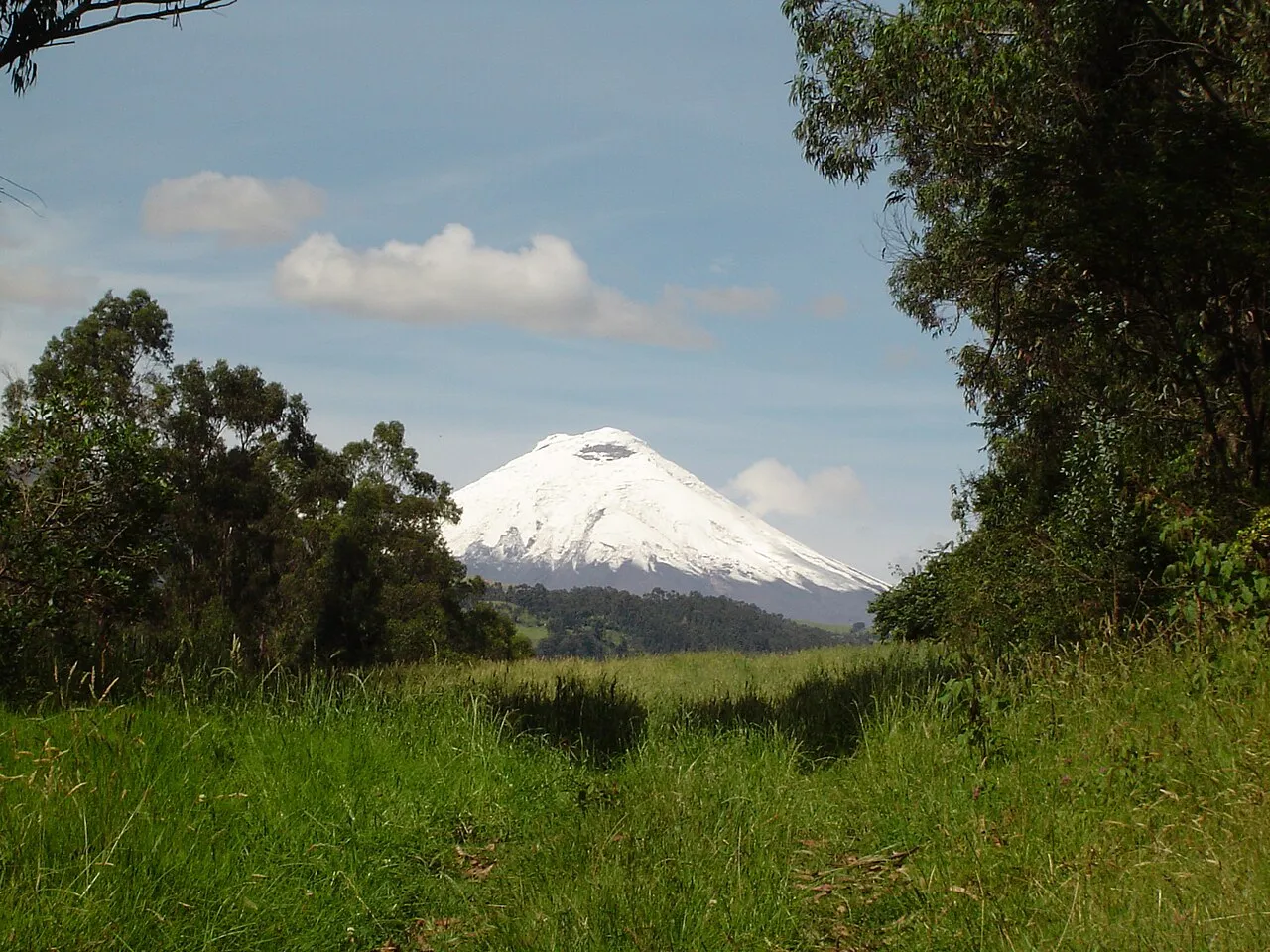
- Cotopaxi Volcano — One of the world's highest active volcanoes, a day trip from Quito through the Avenue of the Volcanoes
Basílica del Voto Nacional
Neo-Gothic towers with Galápagos creatures instead of gargoyles — the church that is never finished
Cotopaxi Volcano
One of the world's highest active volcanoes — a perfect ice cone above 5,897 metres, visible from Quito
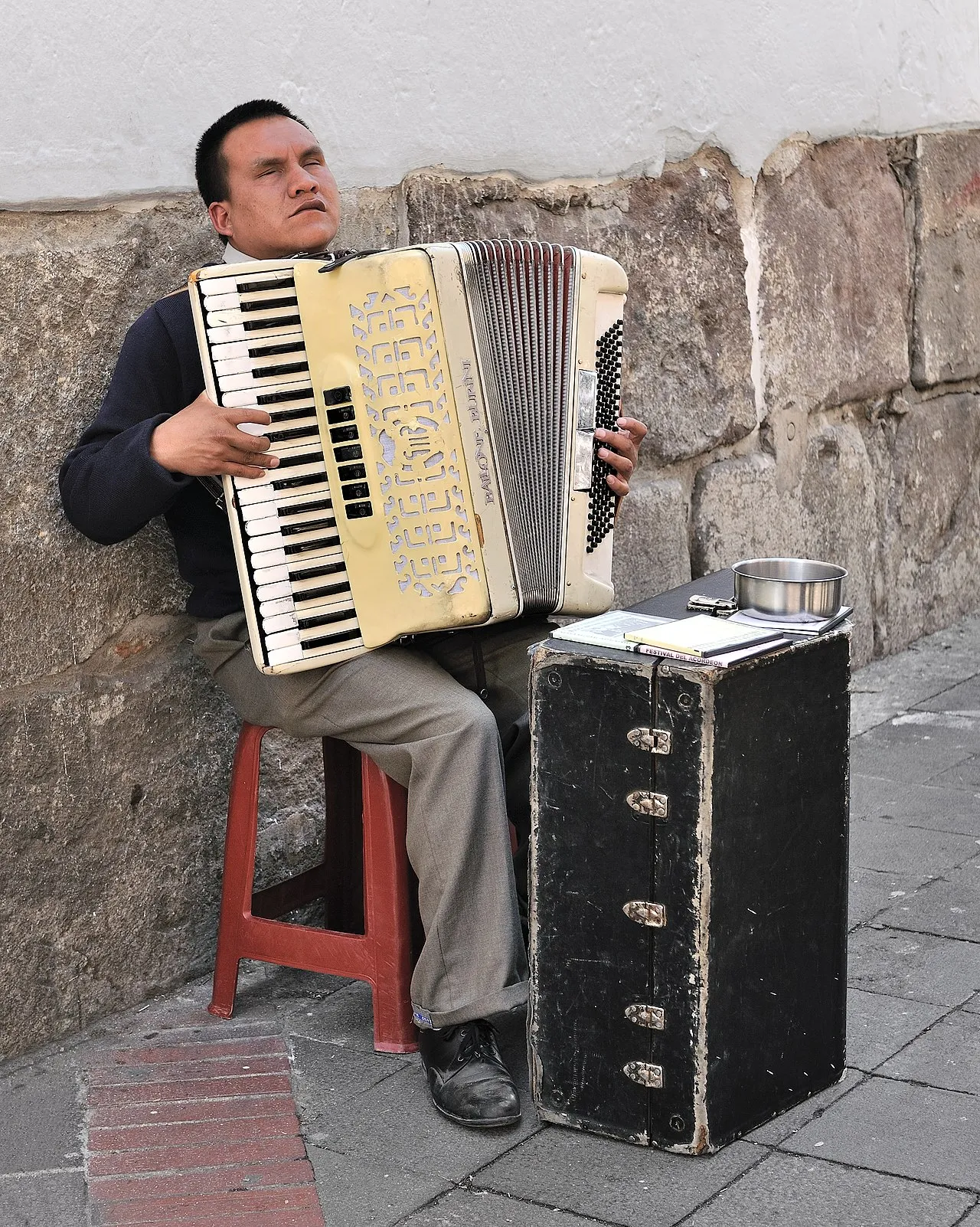
Historic Center of Quito
The Americas' first UNESCO World Heritage City — 40 baroque churches in a high Andean valley
Middle of the World Monument
Stand on zero degrees latitude — the line that divides the world into two hemispheres
Guide planning
How much does a tour guide cost in Quito?
| Tour Type | Price | Details |
|---|---|---|
| Group historic center walking tour | $15–30 | Per person, 2 hours |
| Private half-day historic center | $50–100 | Up to 4 people |
| Mitad del Mundo + historic center | $80–180 | Per vehicle, full day |
| Cotopaxi volcano day trip | $150–300 | Per person, includes transport + equipment |
Season planner
When is the best time to visit Quito?
June through September is the clear, dry season when Cotopaxi and the other Andean giants are visible on the horizon and the skies over the historic center are a deep Andean blue. The Corpus Christi celebrations in June flood the streets of the historic center with indigenous dance troupes in elaborate feathered costumes — one of the most visually spectacular festivals in South America. August is windy in Quito but perfect for highland cycling and walking tours that don't require photography in rain. The wetter months of November through April are not without their charms: the valleys surrounding the city are at their most lush, the churches are less crowded, and the afternoon light before a storm illuminates the gilded baroque interiors in extraordinary ways. Visiting during Easter Week (Semana Santa) in March or April brings elaborate processions through the colonial streets that incorporate pre-Columbian elements unique to the Quito School tradition.
Spring
Mar-May
Summer
Jun-Aug
Autumn
Sep-Nov
Winter
Dec-Feb
Each score averages that season’s monthly ratings out of 5. The top-rated window is usually the peak season too, so read the guidance above for its trade-offs before you book.
On the ground
How do you get around Quito?
- Walking — The historic center is compact and best explored on foot; the streets are steep in places — altitude makes the climbing more demanding than it looks
- Trole & Ecovía — Quito's dedicated bus rapid transit lines run north-south through the city; free transfers between lines
- Taxis — Metered taxis are plentiful and affordable ($2–5 for most trips in the historic center); always ensure the meter is running
- Cable car (Teleférico) — Lifts visitors from 3,117m to 4,100m on the slopes of Pichincha volcano for panoramic views over the entire city and, on clear days, Cotopaxi
- Tip — The historic center sits 300 meters lower than the modern city to the north; walking downhill from Mariscal to Quito Antiguo takes 20 minutes and is a scenic way to start the day
Frequently Asked Questions
What is the capital of Ecuador?
Quito is the capital of Ecuador. At 2,850 metres (9,350 ft) in a high Andean valley, it is the highest official capital city in the world — La Paz sits higher but is Bolivia's seat of government rather than its constitutional capital. Guayaquil, on the Pacific coast, is Ecuador's largest and busiest city, yet Quito has been the capital since the republic's founding and holds the presidential palace at Carondelet and the national government.
What is the best time to visit Quito?
Quito has two distinct seasons. June through September is the dry season — skies are clearest, the Andean peaks including Cotopaxi are visible, and outdoor activities are most comfortable. This is also the windiest period, particularly in August. October through May is the wetter season, with afternoon showers most days (mornings are usually clear). The rainy season brings lush green valleys and uncrowded historic sites, and the elaborate Corpus Christi celebrations in June are one of the most visually striking festivals in the Andes.
How much does a tour guide cost in Quito?
Ecuador uses US dollars. Group walking tours in the historic center cost $15–30 per person for 2 hours. A private guide for a half-day covering the main churches, plazas, and the viewpoint of El Panecillo costs $50–100. Full-day tours combining the historic center with the Mitad del Mundo equatorial monument run $80–180 per vehicle. Cotopaxi volcano day trips with accredited mountain guides cost $150–300 per person including transport and equipment.
Is altitude sickness a concern in Quito?
Yes — Quito sits at 2,850 meters (9,350 feet), high enough to cause mild altitude symptoms for visitors arriving from sea level, including headache, fatigue, and shortness of breath during physical activity. Most visitors adjust within 24–48 hours. Drink plenty of water, avoid alcohol on your first day, take it easy on the uphill streets, and consider altitude medication if you have a history of mountain sickness. Most hotels in the historic center can arrange soroche (altitude sickness) tablets.