

Overview
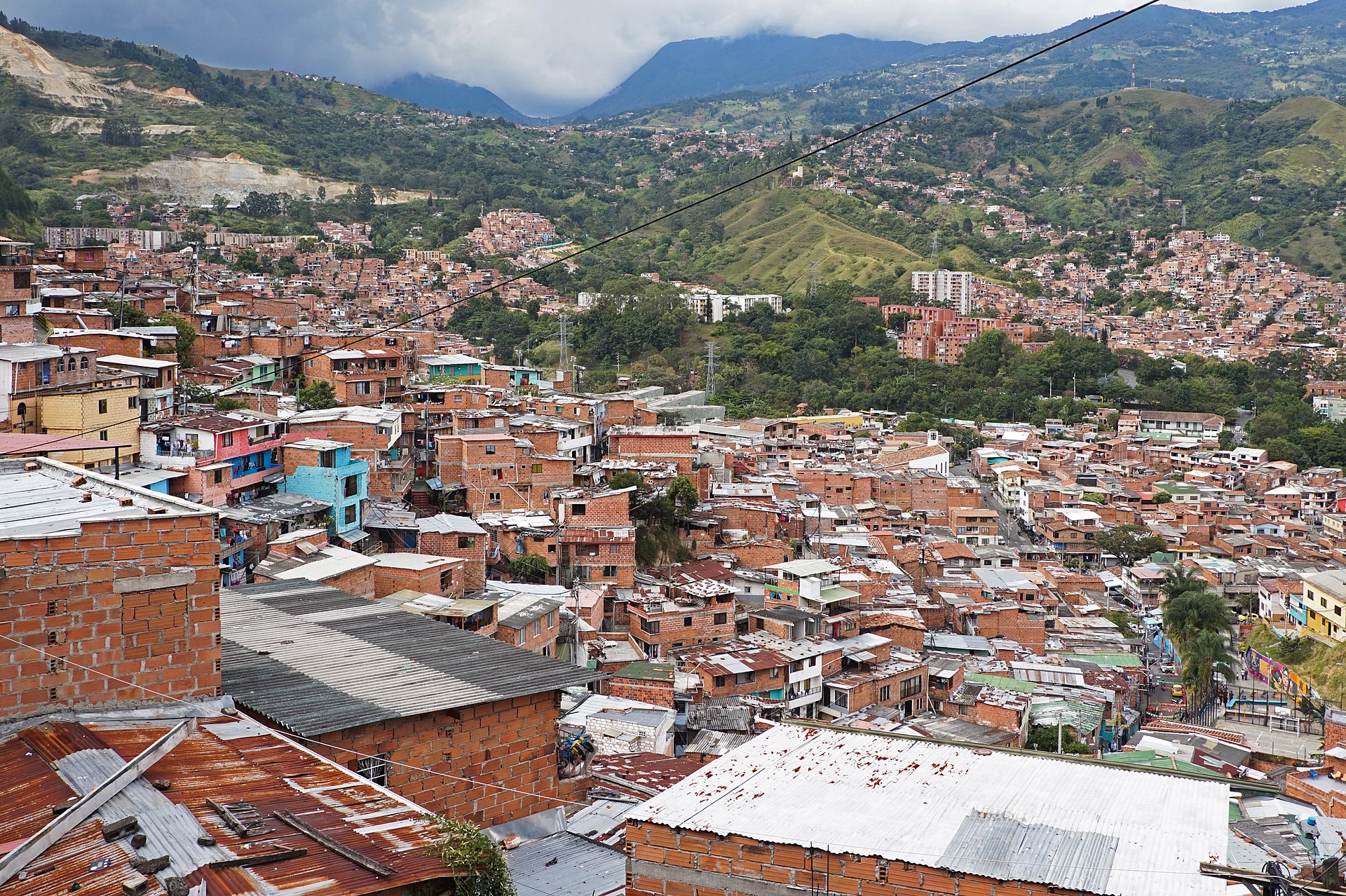
Comuna 13 (San Javier) was once considered the most dangerous neighborhood in Medellín — a hillside barrio controlled by armed groups and scarred by the military's Operación Orion in 2002. Today, it stands as the city's most potent symbol of transformation. Outdoor escalators installed in 2011 connected the isolated community to the city below, and residents began painting massive murals that reclaimed walls once marked by bullets. Local hip-hop artists, dancers, and graffiti painters now lead tours through the steep streets, sharing personal stories that no documentary or guidebook can capture.
Walking Routes
Mural corridors — Massive paintings depicting displacement, memory, hope, and community identity. Live hip-hop performances — Local artists often perform at viewpoints during tour hours. Outdoor escalators — The six-section public escalator that changed a community's connection to the city. Viewpoints — Panoramic views over Medellín's valley from the upper streets
Local Life
Abuela-run tiendas along the escalator route sell mango con sal and empanadas to commuters heading downhill to work each morning. Teenage breakdancers rehearse on the concrete platforms near the upper escalator station, perfecting routines they perform for weekend crowds. Residents tend rooftop herb gardens visible from the mirador viewpoints, and hip-hop crews from groups like C15 and AgroMC gather at makeshift studios carved into hillside homes to record tracks that tell the barrio's ongoing story.
When to Visit
Tours run: Daily 8 AM – 5 PM (most depart between 9–10 AM or 2–3 PM). Best: Morning tours for cooler temperatures and better mural lighting. Weekdays: Fewer tourist crowds, more authentic neighborhood feel. Avoid: Evenings and nights as a tourist — the neighborhood is residential
Admission and Costs
Walking the neighborhood: Free (but going with a guide is strongly recommended). Group tour with local guide: COP 60,000–100,000 ($15–25) per person. Private guide: COP 200,000–350,000 ($50–85) for up to 6 people. Escalators: Free public infrastructure. Street food and juice stops: COP 5,000–15,000 ($1.25–3.75) per item
Tips for Visitors
Go with a local guide: This is non-negotiable — residents' stories give the murals their meaning, and guides ensure respectful visits. Support the community: Buy from local vendors, tip performers, and hire guides who live in the neighborhood. Photography etiquette: Ask before photographing residents, especially children. Physical fitness: The streets are steep — the escalators help, but expect stair-climbing between mural stops. Sensitivity: Remember this is where people live and many experienced trauma — follow your guide's lead on tone