
Country guide
What makes Colombia a must-visit destination?
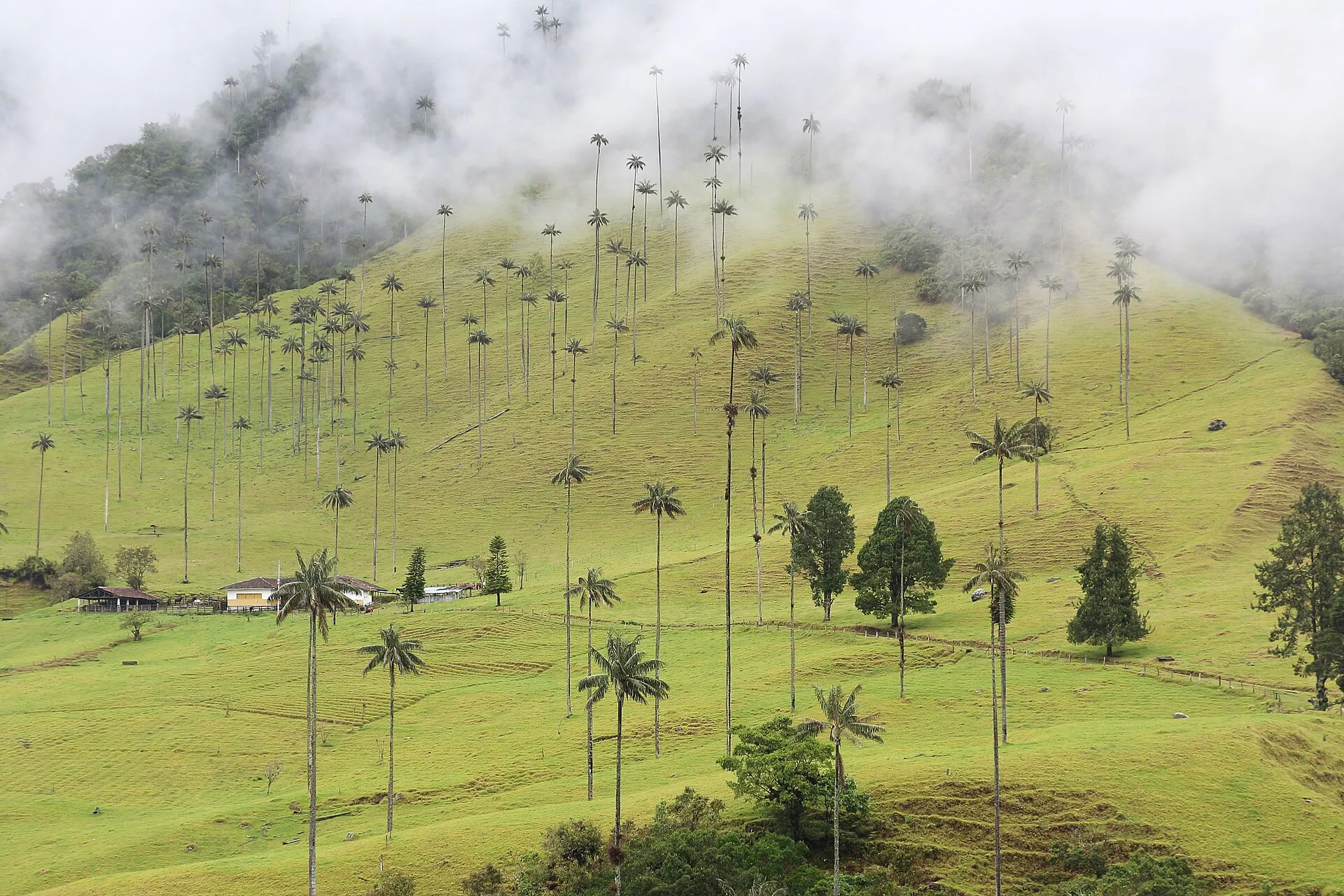
Colombia sits at the crossroads of Central and South America, where the Andes split into three cordilleras, the Amazon stretches east, and two coastlines — Caribbean and Pacific — frame a country of staggering biodiversity. It's the second-most biodiverse nation on Earth, home to more bird species than any other country, and its cultural heritage blends Indigenous, African, and Spanish influences into something entirely its own.
With Spanish as the sole official language and English rarely spoken outside upscale hotels, an English-speaking guide is practically essential. Beyond translation, local guides navigate complex geography, decode regional customs, and open doors to experiences — from coffee farm visits to street art tours — that are difficult to arrange independently.
- Language
- Spanish Widely spoken across Colombia
- Currency
- Colombian peso (COP $) Legal tender across Colombia
- Time zone
- UTC−5 Local time in Colombia
- Power plugs
- Types A, B · 110V Sockets used across Colombia
- Getting around
- Domestic flights & buses Getting between Colombia's cities
- Best months
- Jan, Feb, Mar, Dec Averaged across Colombia's city ratings
Colombia timeline
-
Bogota founded
The Spanish foundation of Santa Fe de Bogota became the center of colonial administration.
-
New Granada viceroyalty
The colonial viceroyalty made Bogota a major administrative center in northern South America.
-
Gran Colombia begins
Bolivar's campaigns created the independence framework behind many civic monuments.
-
Modern republic formed
The constitution created the Republic of Colombia name and centralized state structure.
-
New constitution
The constitution reshaped institutions and minority rights in the modern Colombian state.
-
Peace accord signed
The agreement changed how visitors understand Colombia's recent history and regional reopening.
Local context
Culture and travel signals
Nearly 1,900 recorded bird species
Colombia holds the world record for bird diversity, surpassing Brazil and Peru despite being a fraction of their size, with new species still being catalogued in cloud forests and páramo ecosystems
Tourism grew 300% between 2006 and 2023
Colombia's transformation from conflict zone to trending destination drove international arrivals from under 1 million in 2006 to over 4.6 million, with Cartagena and Medellín leading the surge
9 UNESCO World Heritage Sites
Spanning the colonial port of Cartagena, the pre-Columbian terraces of San Agustín, the Coffee Cultural Landscape of the Zona Cafetera, and the Chiribiquete rock art — the largest protected area in the country
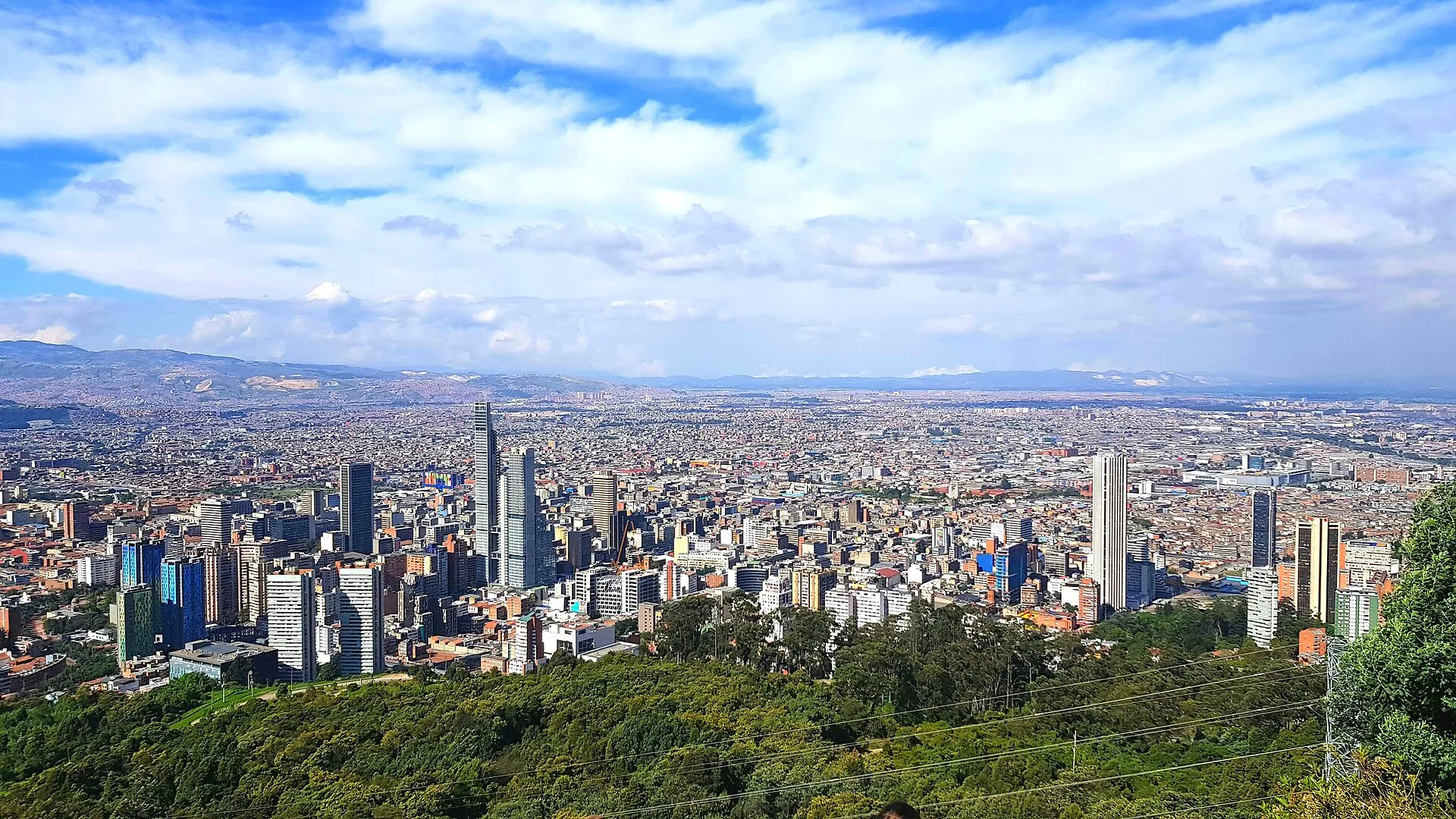
Bogotá sits at 2,640 meters (8,660 ft) above sea level
One of the highest capital cities in the world, perched on an Andean plateau that was once a prehistoric lake, giving the city an average temperature of 14°C year-round despite being just 4 degrees north of the equator
Source: tour-guide.com — Free to cite with attribution
Season planner
A year in Colombia
Use this best time to visit snapshot as a country-wide average, then check the city guides for local timing.
Mar-May
Spring
Spring stays workable in Colombia at Mar-May (3.3/5), so lean on city-by-city timing.
Jun-Aug
Summer
Summer stays workable in Colombia at Jun-Aug (3/5), so lean on city-by-city timing.
Sep-Nov
Autumn
Autumn stays workable in Colombia at Sep-Nov (3/5), so lean on city-by-city timing.
Dec-Feb
Winter
Winter holds up well for guided travel in Colombia, averaging Dec-Feb (4/5).
Where should you go in Colombia?
The Andean Highlands
Bogotá sprawls across a high Andean plateau where the Gold Museum glitters with pre-Hispanic treasures, the Monserrate sanctuary watches from above, and the cobbled streets of La Candelaria hum with street musicians and university debate.
The Caribbean Coast
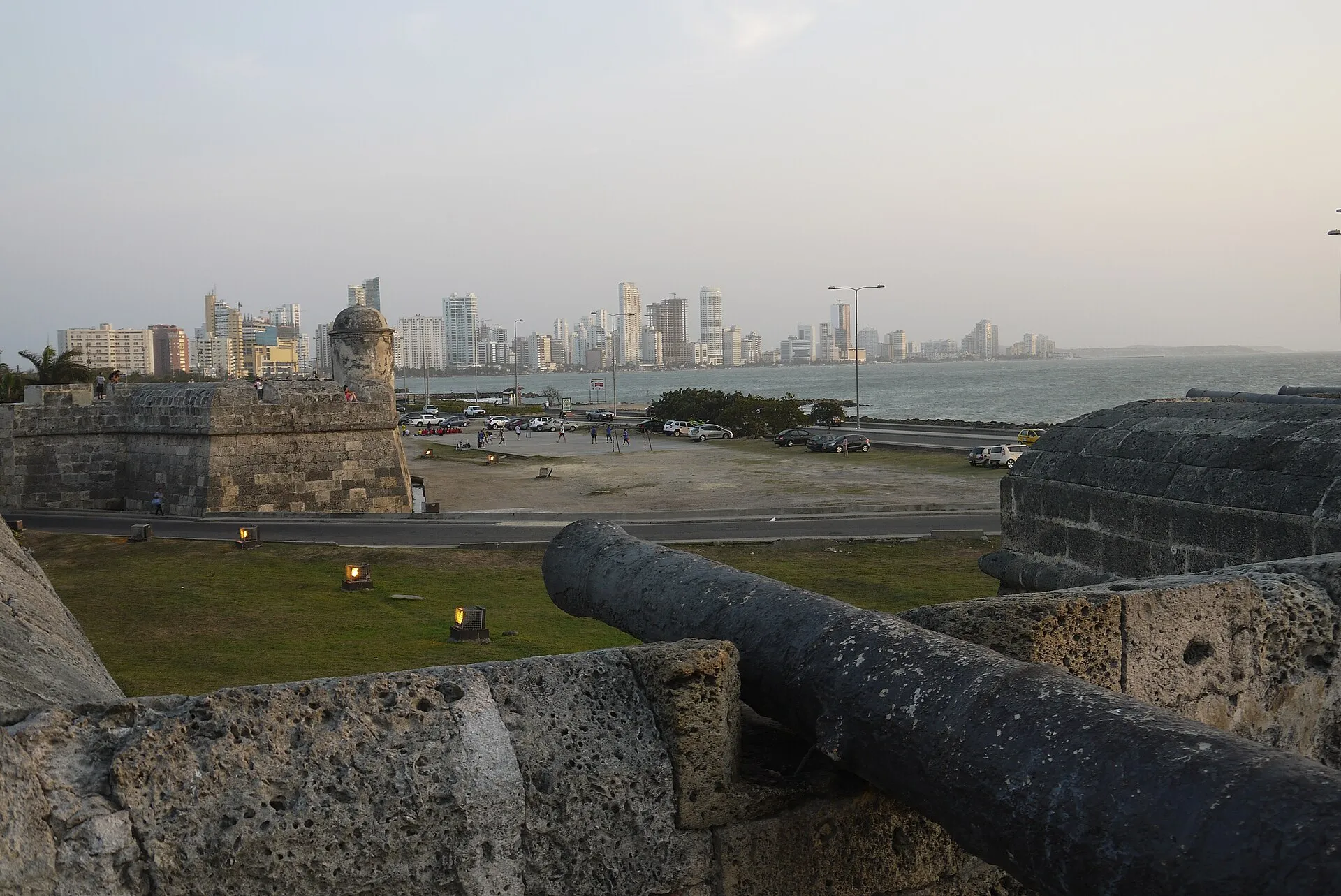
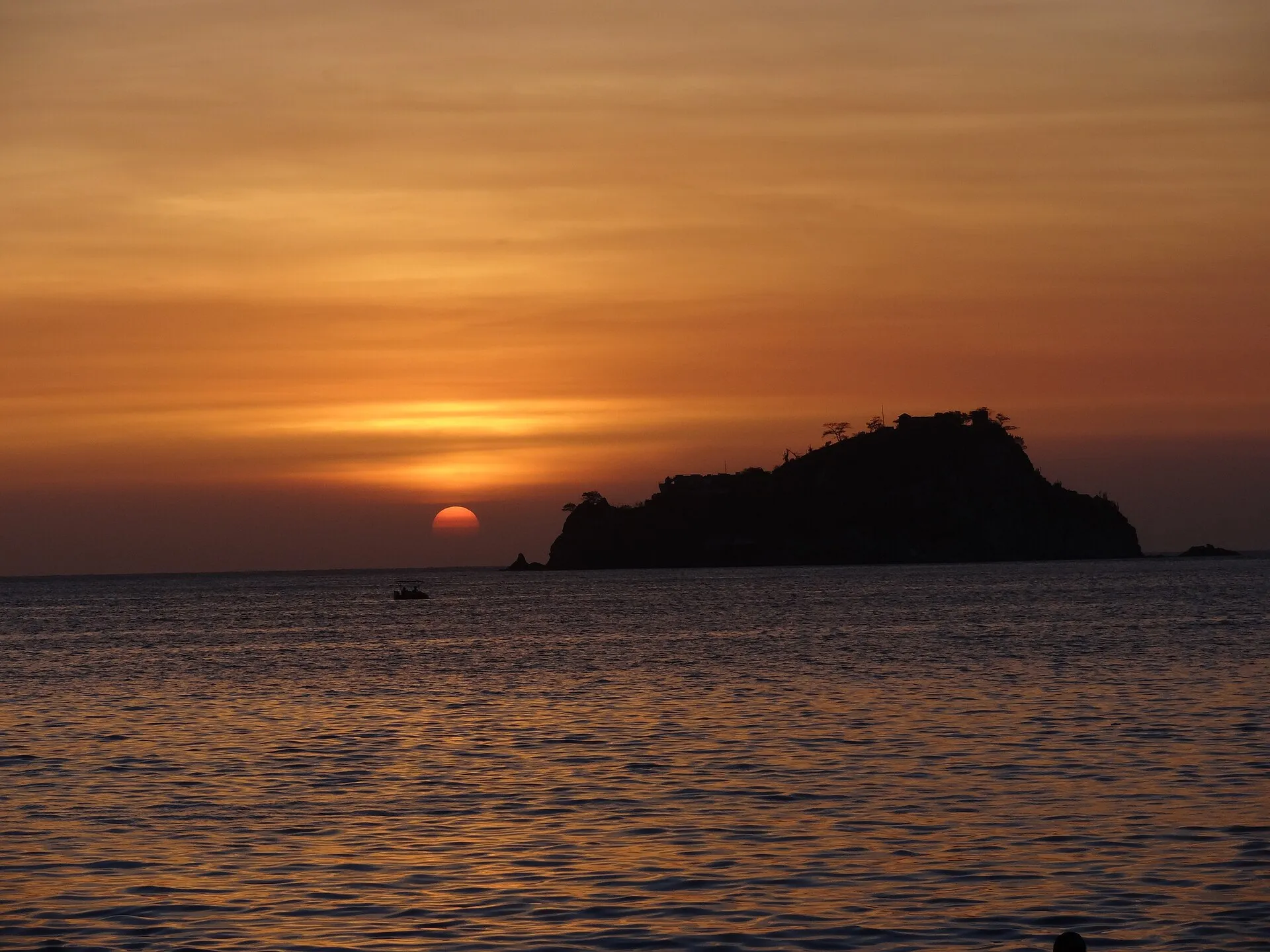
Drop to sea level and Cartagena unfolds behind its Walled City ramparts — colonial fortresses, bougainvillea-draped balconies, and island day trips into the Caribbean blue. Santa Marta serves as the gateway to Tayrona National Park and the grueling Lost City trek, all framed by Caribbean beaches where the Sierra Nevada meets the sea.
The Transformation Cities
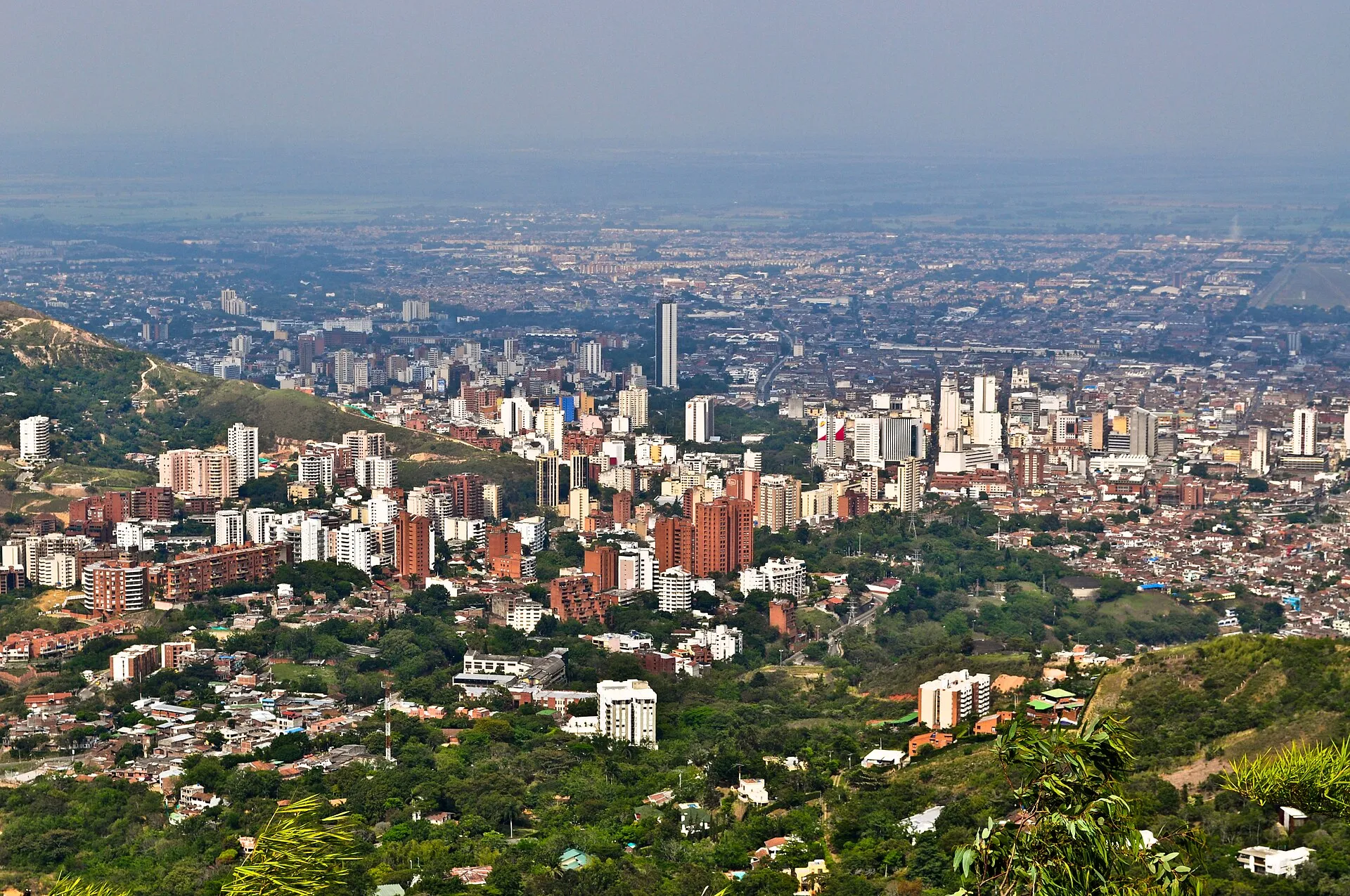
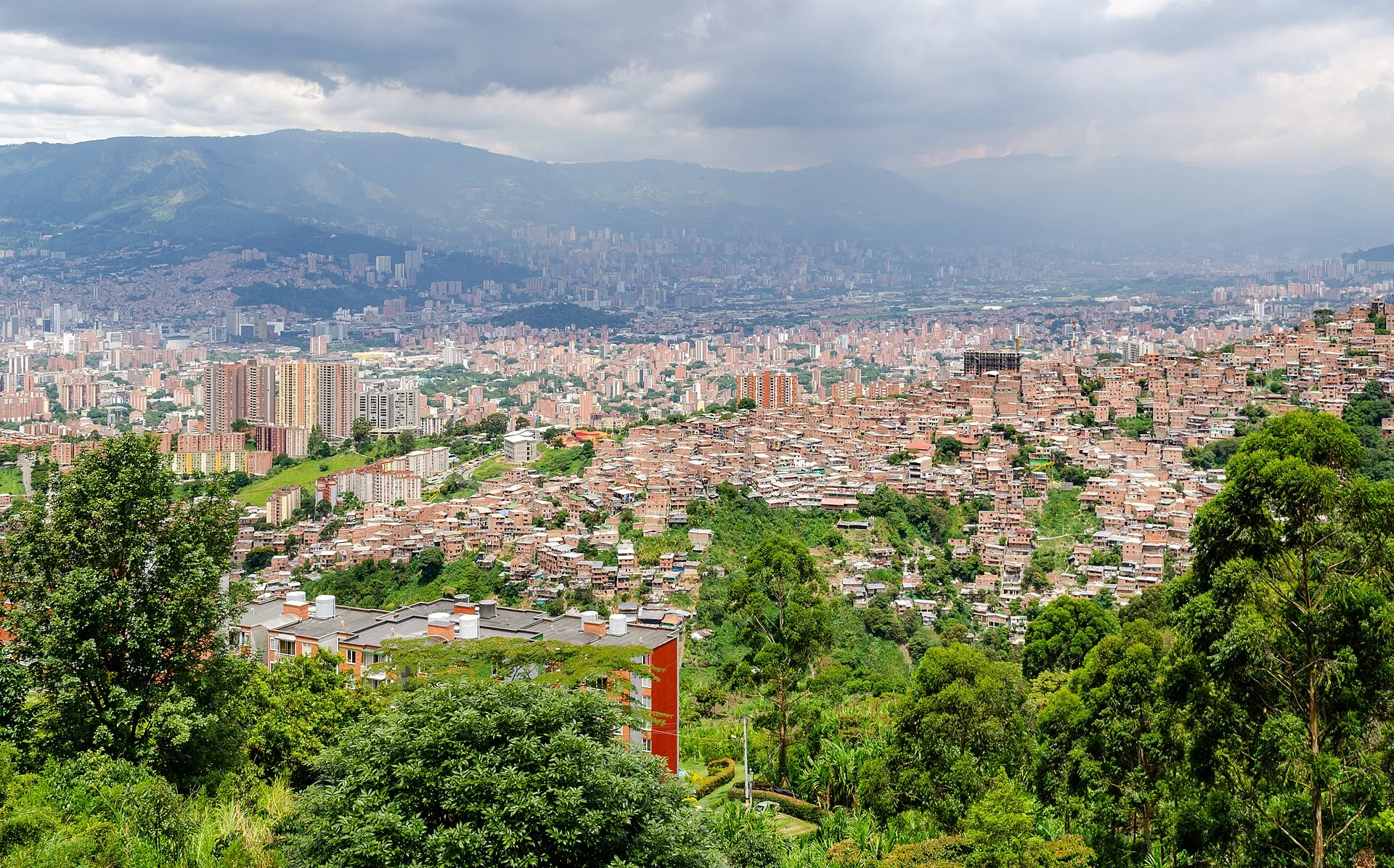
Medellín has reinvented itself through innovation districts, bold street art, and cable cars that sweep over hillside barrios with panoramic views. Cali claims the title of world salsa capital, its Afro-Colombian neighborhoods alive with dance academies and late-night clubs.
Must-see attractions across Colombia
Skip straight to the landmarks that define Colombia, spread across the cities below. A local guide turns any of them into a richer half-day.
What do visitors need to know about Colombia?
Finding a Guide
- Colombia's Registro Nacional de Turismo certifies legitimate operators. Look for the RNT number when booking to ensure quality and legal compliance.
- Colombian Highlands, Impulse Travel, and De Una Colombia connect travelers with vetted bilingual guides across the country.
- Colombian accommodations maintain strong relationships with trusted local guides — especially valuable in smaller towns and rural areas.
- Specialist operators handle coffee region tours, birdwatching expeditions, or Lost City treks with deep regional expertise.
Typical Costs
| Tour Type | Price Range |
|---|---|
| Group walking tour | COP 60,000–120,000 ($15–30) per person |
| Private half-day guide | COP 250,000–450,000 ($60–110) |
| Private full-day guide | COP 450,000–800,000 ($110–200) |
| Coffee region day trip (with transport) | COP 200,000–350,000 ($50–85) per person |
| Lost City trek (4–5 days, all-inclusive) | COP 1,200,000–1,800,000 ($300–450) |
Must-See Experiences
- Bogotá's Gold Museum — The world's largest collection of pre-Hispanic gold artifacts
- Cartagena's Walled City — UNESCO-listed colonial streets bursting with color
- Medellín's Comuna 13 — Street art and transformation story told by local residents
- Coffee Triangle — Farm tours in the UNESCO-listed coffee cultural landscape
- Rosario Islands — Pristine Caribbean islands off Cartagena's coast
- Lost City — Ancient Teyuna ruins deep in the Sierra Nevada jungle
- Cali salsa clubs — Catch the rhythm at authentic salsa schools and dance halls
- Tayrona National Park — Where jungle meets turquoise Caribbean sea
Tips for Visitors
- Altitude adjustment — Bogotá sits at 2,640m (8,660 ft); take it easy the first day and stay hydrated
- Currency — Colombian Peso (COP). ATMs are widespread; carry cash for smaller towns and markets
- Safety — Stick with reputable guides and follow their advice, especially in cities at night
- Rainy seasons — April–May and October–November bring heavier rains; mornings are usually clear
- Internal flights — Colombia is large; fly between major cities rather than endure long bus rides
- Booking ahead — Lost City treks and Tayrona camping require advance reservations, especially December–January
- Tipping etiquette — 10% propina is standard in restaurants; for guides, COP 20,000–50,000 per day is appreciated
- Spanish basics — Even a few words go far; Colombians are famously warm and patient with learners
Frequently Asked Questions
What is the best time of year to visit Colombia?
December through March and July through August are the driest months, ideal for exploring cities and trekking. April through May and October through November bring heavier rains, though mornings are usually clear and prices drop. Colombia's equatorial location means temperatures stay fairly consistent year-round, varying more by altitude than season.
How much does a private tour guide cost in Colombia?
Colombia is one of South America's best-value destinations for guided experiences. Walking tours through Cartagena's Walled City or Bogotá's La Candelaria run COP 60,000–120,000 ($15–30) per person, and a private half-day guide — ideal for coffee region visits or Medellín's Comuna 13 — costs COP 250,000–450,000 ($60–110).
Do I need to speak the local language to travel in Colombia?
With Spanish as the sole official language and English rarely spoken outside upscale hotels, an English-speaking guide is practically essential. Beyond translation, they navigate the complex geography of cities like Bogotá and Medellín, decode regional customs like the warm paisa hospitality of Antioquia, and connect you to local fincas, artisan workshops, and community experiences that independent travelers rarely discover.