

Overview
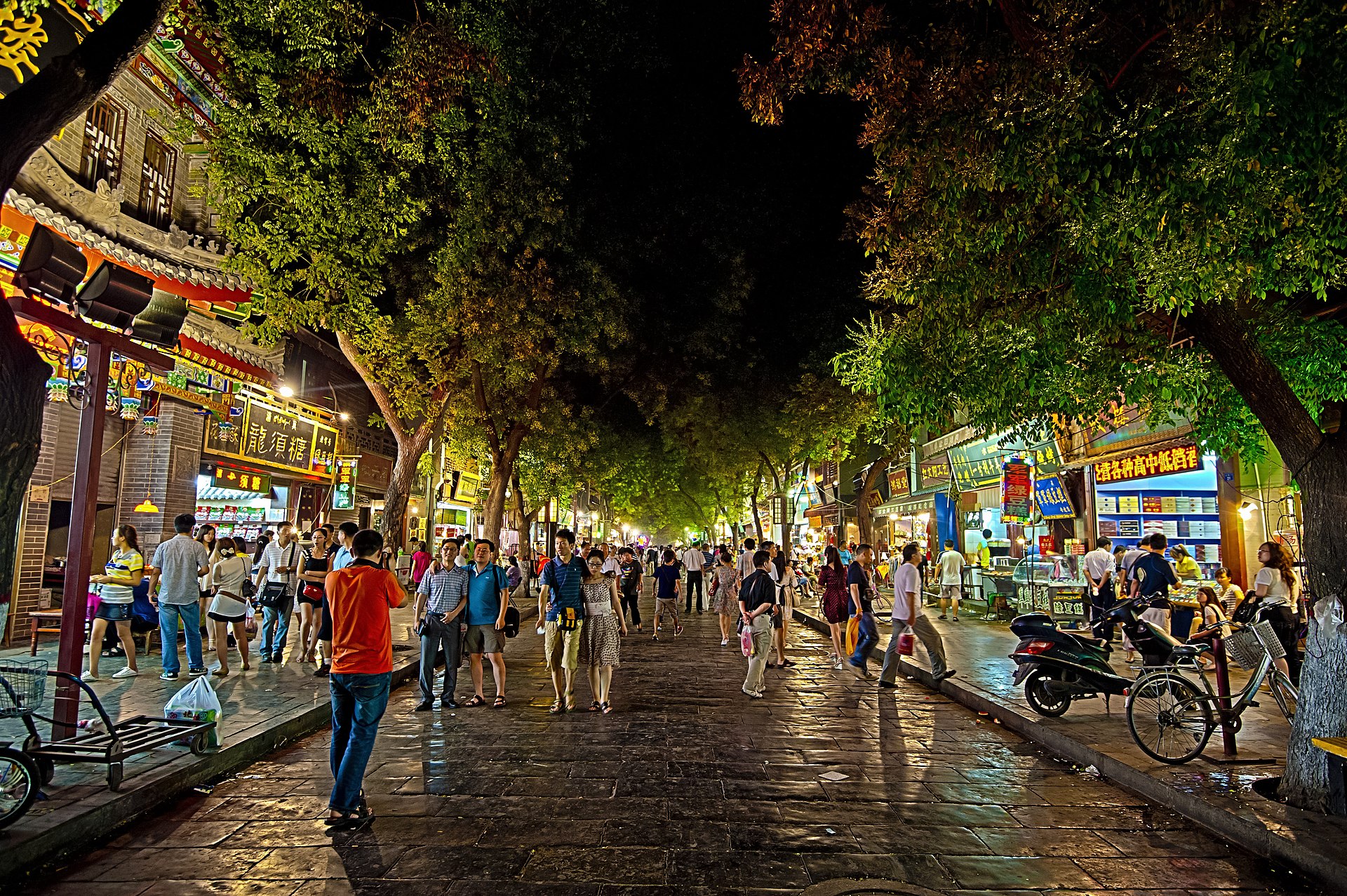
Xi'an's Muslim Quarter is one of the most atmospheric and delicious neighborhoods in all of China, a warren of narrow lanes northwest of the Drum Tower where the Hui Muslim community has lived and traded for over a thousand years. The Hui people are descendants of Arab, Persian, and Central Asian merchants who settled along the Silk Road during the Tang dynasty, and their culinary traditions fuse Middle Eastern techniques with local Shaanxi ingredients to create a cuisine found nowhere else. Beiyuanmen, the main pedestrian street, erupts each evening into a carnival of sizzling woks, steaming cauldrons, and vendors pulling hand-ripped noodles to theatrical effect. Beyond the food, the quarter contains the Great Mosque of Xi'an, a remarkable blend of Chinese architecture and Islamic worship that has served the community since 742 CE. A guide who speaks both English and Chinese is invaluable for ordering from menu-less stalls, explaining the cultural significance of halal preparation, and finding the best local favorites hidden away from the main tourist drag. The quarter sits just inside the City Wall, and you can easily combine a visit with a trip to the Terracotta Army as part of your Xi'an itinerary.
Walking Routes
Biang biang noodles: Watch artisans slap thick, belt-wide noodles against the counter before tossing them into chili oil - named for the sound they make. Great Mosque: A Chinese-style courtyard mosque with ornate wooden archways, gardens, and a minaret disguised as a pagoda. Roujiamo stalls: Shredded braised meat stuffed into crispy flatbread, often called the world's oldest hamburger, perfected over centuries here. Persimmon cakes (shizi bing): Flattened persimmon pastries filled with sweet walnut and rose paste, fried golden and served piping hot. Evening atmosphere: Smoke rising from grills, vendors calling out, lanterns glowing above the crowd - the quarter at night is pure sensory theater. Pomegranate juice vendors: Pyramids of pomegranates stacked high, pressed to order into glasses of tangy fresh juice
Local Life
Hui families have lived in these lanes for over forty generations, and daily routines here revolve around the five prayer calls from the Great Mosque. Step off Beiyuanmen into the narrower Xiyangshi or Dapiyuan alleys and you find butchers breaking down lamb carcasses under halal certification banners, grandmothers hand-rolling sesame candy on marble slabs, and children chasing each other past Arabic calligraphy schools. A local guide can take you to the unmarked family kitchens where Hui cooks prepare yangrou paomo the traditional way, tearing bread into thumbnail-sized pieces before ladling rich mutton broth over the top.
When to Visit
Streets: Accessible 24 hours, but most vendors operate from 10:00 AM to midnight. Great Mosque: 8:00 AM - 7:00 PM (summer) / 8:00 AM - 6:00 PM (winter). Best: Early evening (6:00 - 9:00 PM) when the food stalls hit peak activity and the lanterns are lit. Avoid: Midday in July and August when heat intensifies the crowded, narrow streets
Admission and Costs
Entering the quarter: Free. Great Mosque admission: ¥25. Street food budget: ¥50-100 for a filling meal sampling multiple stalls. Roujiamo (Chinese hamburger): ¥8-15 each. Yangrou paomo (lamb soup): ¥25-40 per bowl
Tips for Visitors
Explore the side alleys: The main Beiyuanmen street is touristy - turn into smaller lanes for authentic local eateries with better prices. Come hungry: Portion sizes are small by design so you can sample many different stalls in one visit. Cash is useful: While mobile payments work at most stalls, a few smaller vendors prefer cash for quick transactions. Respect prayer times: The Great Mosque is an active place of worship - dress modestly and stay quiet in prayer areas. Pace yourself on spice: Xi'an chili oil is potent - start mild and build up, or you'll end your food tour early