
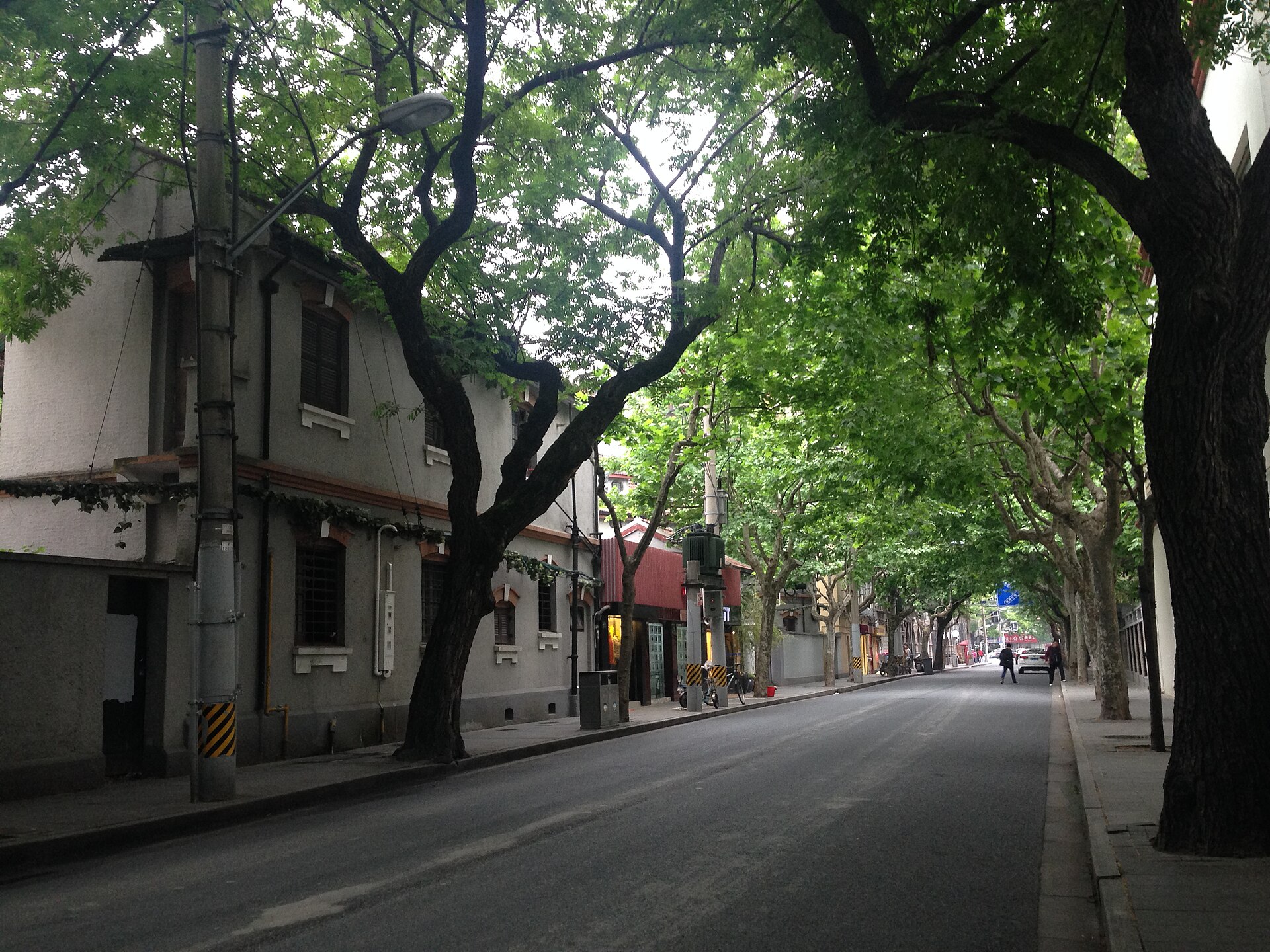

Overview
Between 1849 and 1943, a wedge of central Shanghai operated under French municipal law, and the physical imprint of that century-long occupation remains strikingly intact along the district's canopied boulevards. Where the International Settlement to the north favored imposing granite banks and trading houses, the French quarter developed a more intimate grain: narrow lanes lined with London plane trees, low-rise art deco apartment blocks with wrought-iron balconies, brick-and-stucco villas tucked behind garden walls, and Catholic churches whose steeples still punctuate the skyline. Today, the former concession - centered roughly on the Xuhui and former Luwan districts - has become Shanghai's cultural heartland. Independent bookshops, vinyl record stores, third-wave coffee roasters, and galleries occupy the ground floors of buildings whose upper stories house some of the city's most coveted residential addresses. Walking its streets feels less like touring a museum and more like inhabiting a living neighborhood that happens to wear its past on its sleeve. From the western reaches of the concession, it's a short taxi ride east to The Bund, where Shanghai's colonial history takes on a grander, more mercantile scale, or a glance upward to spot Shanghai Tower twisting above the Pudong skyline across the river.
Walking Routes
Wukang Road: Perhaps Shanghai's most photographed street, where a flatiron-shaped Normandie Apartments building anchors a corridor of perfectly preserved 1920s and 1930s villas beneath a cathedral-like canopy of plane trees. Fuxing Park: A formal French-style garden laid out in 1909 complete with rose beds, fountains, and morning tai chi practitioners
- the closest Shanghai gets to a Parisian square. Tianzifang: A labyrinthine network of shikumen lanes converted into studios, galleries, craft shops, and tiny bars that preserves the texture of old neighborhood life within a creative economy. St. Nicholas Church: A Russian Orthodox church built in 1934 for Shanghai's White Russian community, its onion dome and redbrick walls now incongruously surrounded by modern cafes. Sun Yat-sen's Former Residence: The house where the founder of the Chinese Republic lived with Soong Ching-ling from 1918 to 1924, preserved with original furnishings and a tranquil garden. Ferguson Lane: A quiet compound of restored lane houses hosting wine bars, a jazz club, and a French bookshop - a microcosm of the concession's blend of Eastern and Western sensibilities
Local Life
Morning tai chi groups gather in Fuxing Park before the coffee shops on Yongkang Road even raise their shutters, and by mid-morning the lanes behind Wukang Road fill with residents walking small dogs, haggling over produce at wet markets, and queuing at neighborhood dumpling windows that have served the same recipes for decades. A guide who knows the back alleys can introduce you to the elderly ayi who press tofu in a shikumen courtyard or the retired professors who play chess on stone benches beneath the plane trees along Hengshan Road.
When to Visit
Neighborhood access: Open around the clock - this is a living residential and commercial district. Shops and boutiques: Most open between 10:00 AM and 9:00 PM daily. Best: Late morning on weekdays, when the cafes are open but sidewalks are quiet enough to appreciate the architecture. Also excellent: Warm autumn evenings when the plane tree canopy glows amber under the streetlights and terrace bars spill onto the pavement
Admission and Costs
Walking the streets: Entirely free - the architecture, tree canopy, and atmosphere cost nothing to enjoy. Specialty coffee: ¥30-55 for a latte at the district's many independent roasters. Lunch at a bistro: ¥80-200 per person at the European-style eateries along Yongkang Road or Wukang Road. Boutique shopping: Prices vary widely, from ¥50 vintage finds to designer pieces costing several thousand yuan
Tips for Visitors
Wander without a map: The best discoveries in the concession come from turning down unfamiliar lanes
- rigid itineraries work against the neighborhood's serendipitous character. Rent a bicycle: Shared bikes are everywhere, and the flat, shaded streets are ideal for cycling between pockets of interest that would be tiring to walk between. Look up and behind walls: Many of the finest buildings hide behind compound walls or reveal their best details on upper floors - keep your gaze above street level. Visit Wukang Road early: The famous Normandie Apartments intersection becomes a selfie bottleneck by midday; arrive before 9:00 AM for unobstructed photographs. Hire a history guide: The district's significance lies in layered stories of colonial power, revolutionary politics, refugee communities, and cultural reinvention that no plaque can fully convey - a knowledgeable guide brings these layers alive