
.jpg)
Overview
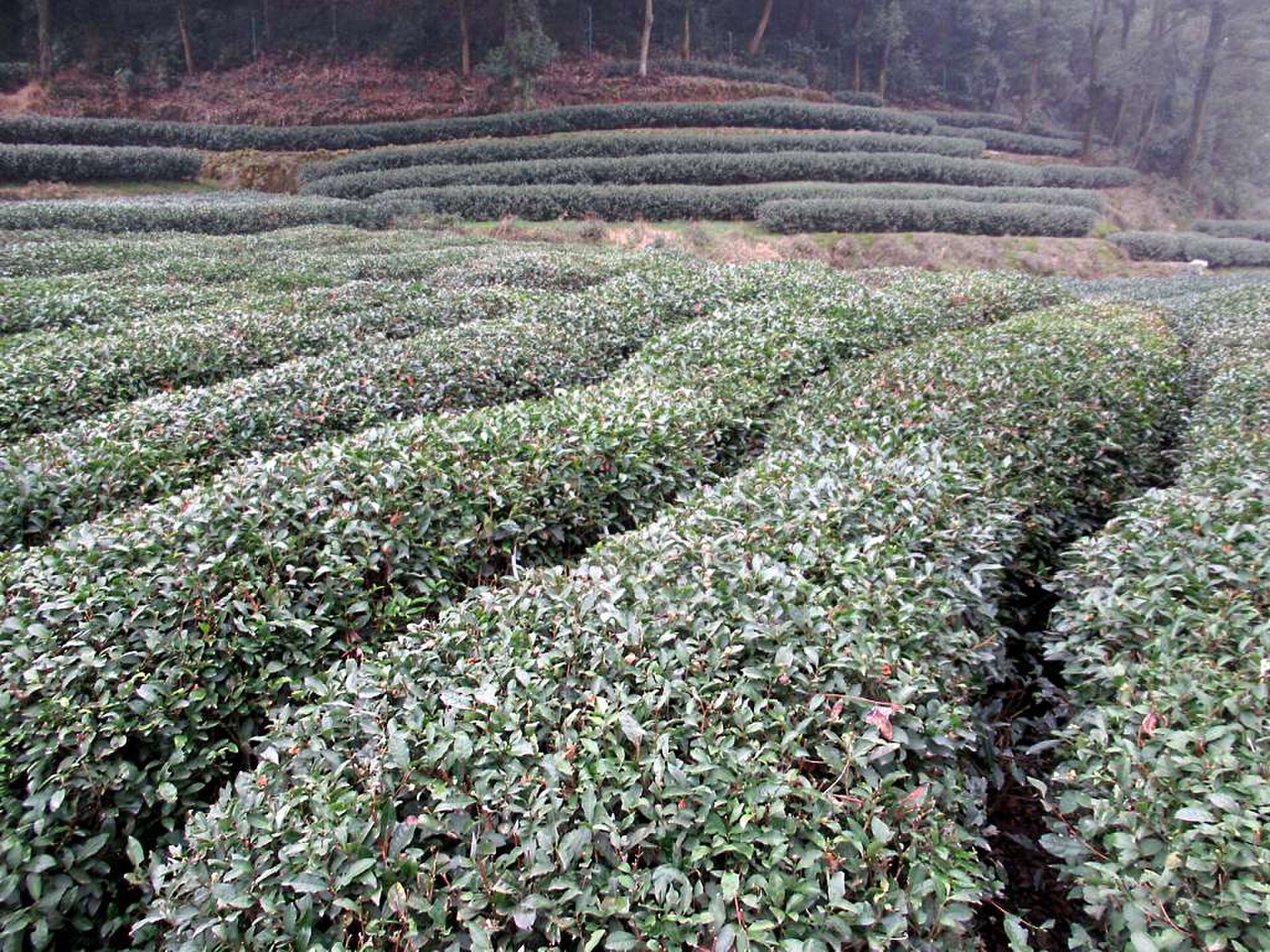
The Longjing tea-growing region stretches across the gentle hills southwest of West Lake, centered on the village of Longjing (Dragon Well) itself. These farms produce China's single most celebrated green tea, prized for its flat, sword-shaped leaves, jade-green color, and sweet chestnut aroma that lingers long after the last sip. Tea cultivation here dates back at least to the Tang Dynasty, and by the Qing period Longjing had earned the designation of Imperial Tribute Tea, reserved for the emperor's personal supply. Today the village retains a timeless quality: narrow lanes wind between stone-walled farmhouses, elderly women sort leaves on bamboo trays in their courtyards, and the surrounding slopes ripple with neat rows of tea bushes trimmed to waist height. The plantations are a short ride from both West Lake and Lingyin Temple, making them an essential part of any Hangzhou visit.
Tasting Guide
Hand-roasting in a hot wok: Watch a master press and roll fresh leaves in a 200°C iron pan using only bare hands, stopping oxidation to lock in flavor. Picking your own leaves: During spring harvest, some farms let visitors pluck the tender one-bud-one-leaf tips that define premium Longjing. China National Tea Museum: A free museum set among its own tea gardens, with exhibitions spanning five thousand years of Chinese tea history. Dragon Well spring: The ancient spring that gives the tea its name, where thick water appears to resist mixing when stirred with a stick. Gongfu tea ceremony: Learn the precise ritual of Longjing preparation in a glass cup, watching the flat leaves sink and dance as they unfurl. Ten-Mile Langdang hiking path: A scenic trail connecting the tea terraces to the Jiuxi stream area through dense bamboo forest and farmland
Local Producers
The producers associated with Longjing Tea Plantations carry forward traditions that define the region's identity. Meeting them, hearing their stories, and sampling their products directly provides an authenticity that no restaurant or shop can fully replicate.
When to Visit
Tea village access: Open daylight hours; most family farms welcome visitors from 8:00 AM to 5:00 PM. China National Tea Museum: 8:30 AM to 4:30 PM, closed Mondays. Spring harvest (Mingqian): Late March through early April produces the most prized pre-Qingming leaves, when the village buzzes with pickers. Best casual visit: Mornings from April through October, when the hillsides are lush and farmers are happy to host tastings
Admission and Costs
Longjing village entry: ¥15 per person. China National Tea Museum: Free admission. Tea tasting at a farm: Often free with an expectation to purchase; a 50g bag of quality Longjing runs ¥80-500 depending on grade and season. Guided tea ceremony experience: ¥100-200 through local tour operators, includes instruction and tasting of multiple grades
Tips for Visitors
Beware of fakes: Genuine Longjing village tea is expensive; vendors near the road often sell lower-grade leaves from other regions at inflated prices. Ask to see the roasting: A legitimate farmer will show you the fresh leaves and the wok; this transparency signals authentic product. Bring a glass cup: Longjing is traditionally brewed in clear glass so you can watch the leaves; many farms provide cups but your own adds to the ritual. Combine with Lingyin Temple: The temple sits a 15-minute taxi ride north of Longjing village, and the journey passes through beautiful forested hills. Afternoon shade: The tea terraces face south and get very warm by midday in summer; visit before 10 AM or after 3 PM for comfort