

Overview
The Summer Palace (Yíhé Yuán, 颐和园) sprawls across 297 hectares of landscaped parkland in northwestern Beijing, three-quarters of which is covered by the shimmering expanse of Kunming Lake. Originally laid out in 1750 by Emperor Qianlong as a gift for his mother's birthday, the gardens were devastated by Anglo-French forces in 1860 and painstakingly rebuilt by Empress Dowager Cixi using funds controversially diverted from the imperial navy. UNESCO inscribed the site in 1998, recognizing it as a masterpiece of Chinese landscape design that fuses natural hills, open water, ornate pavilions, temples, bridges, and covered walkways into a harmonious whole. Unlike the rigid symmetry of the Forbidden City, the Summer Palace feels organic and expansive, its sightlines carefully composed to frame distant pagodas against the Western Hills. A knowledgeable guide reveals the political intrigues and engineering marvels woven into every garden path. Pair your visit with the Temple of Heaven to experience both the sacred and the leisurely sides of imperial Beijing, or extend your trip to Hangzhou to compare these gardens with the famous West Lake landscape that partly inspired them. For official information, see UNESCO World Heritage listing.
Activities
Kunming Lake: A vast man-made lake modeled after West Lake in Hangzhou, offering pedal boats in summer and open-air ice skating in winter. Longevity Hill: Climb through layered temples and pavilions to the Buddhist Tower of the Fragrance of Buddha for panoramic views over the lake and distant skyline. Long Corridor: A 728-meter covered walkway decorated with over 14,000 individual hand-painted scenes depicting myths, landscapes, and historical episodes. Marble Boat: Empress Cixi's infamous stone-and-wood pleasure vessel, built with diverted naval funds, sits permanently docked at the lake's northwest shore. Seventeen-Arch Bridge: A graceful 150-meter stone bridge adorned with 544 carved lions, each with a unique expression, connecting the eastern shore to South Lake Island. Suzhou Street: A reconstructed canal-side shopping street where Qing courtiers played at being commoners, now housing craft workshops and teahouses
Seasonal Highlights
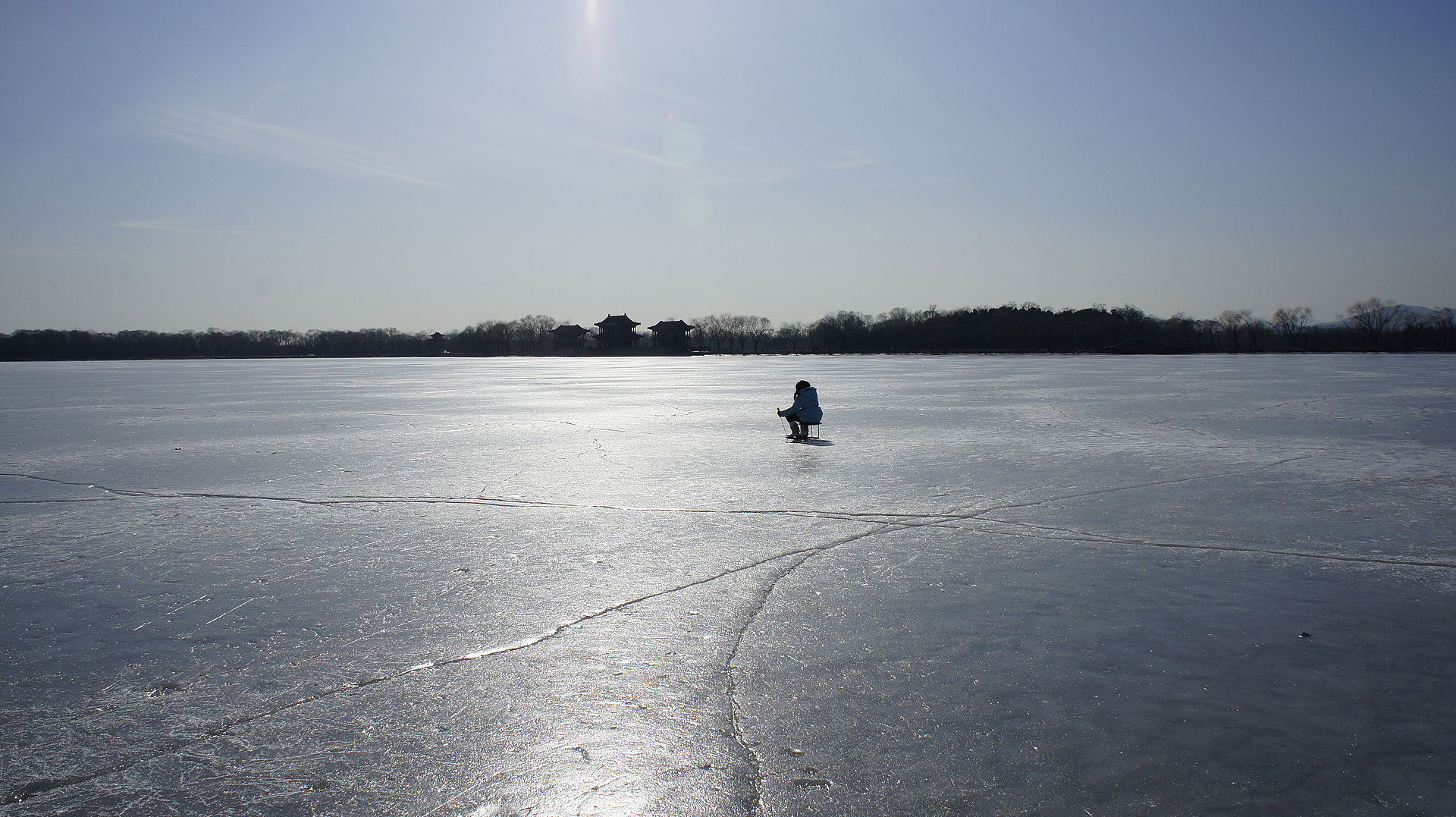
Lotus flowers carpet Kunming Lake from late June through August, filling the air with fragrance and framing the Seventeen-Arch Bridge in pink and green. Autumn brings clearer skies that make the Long Corridor's painted panels and the distant Western Hills sharper in photographs. From December through February, the frozen lake opens for ice skating, and bare willows dusted with snow give the palace grounds a monochrome elegance.
When to Visit
Open: Daily, year-round with no weekly closure. Summer hours (Apr 1 - Oct 31): Park gates 6:30 AM - 6:00 PM, interior halls 8:30 AM - 5:00 PM. Winter hours (Nov 1 - Mar 31): Park gates 7:00 AM - 5:00 PM, interior halls 9:00 AM - 4:00 PM. Best: Early mornings on weekdays in spring or autumn when mist drifts off Kunming Lake and crowds are thinnest. Avoid: National holidays and summer weekends when the Long Corridor becomes a single-file shuffle
Admission and Costs
Park-only ticket: ¥30 peak season (Apr-Oct) / ¥20 off-season (Nov-Mar). Through ticket (all halls and gardens): ¥60 peak / ¥50 off-season. Suzhou Street separate ticket: ¥10. Dragon boat ride on Kunming Lake: ¥60-¥120 depending on vessel. Audio guide rental: ¥40 with deposit (available in English)
Tips for Visitors
Start from the North Palace Gate: Most tour buses drop visitors at the East Gate, so entering from the north lets you explore Suzhou Street and Longevity Hill before the crowds arrive. Budget half a day: The grounds are vast and hilly; rushing through in two hours means missing the quieter western causeways and back gardens. Bring sun protection: The lakeside paths offer little shade, and the stone surfaces reflect heat aggressively in summer months. Try the ferry: Riding a dragon boat across Kunming Lake provides the best vantage of Longevity Hill and saves tired legs on the return. Winter charm: Visiting between December and February means fewer tourists, frozen lake skating, and a stark beauty that photographs beautifully against bare willows