
Santiago timeline
-
Santiago founded
Pedro de Valdivia laid out the colonial grid beside the Mapocho at the foot of Cerro Huelén — today's Cerro Santa Lucía — fixing the axis the historic center still follows.
-
First National Junta
The junta convened in Santiago on September 18, 1810 opened Chile's independence process, a date still marked as the national Fiestas Patrias.
-
Independence secured
Victory at the Battle of Maipú, on Santiago's southern edge, confirmed independence from Spain and fixed the city as capital of the new republic.
-
Cerro Santa Lucía reborn
Intendant Benjamín Vicuña Mackenna transformed the founding hill into a landscaped public park, part of the reforms that turned colonial Santiago into a modern capital.
-
Military coup
On September 11, 1973 the air force bombed the La Moneda palace; President Salvador Allende died inside, beginning seventeen years of dictatorship whose memory sites still shape the city.
-
Return to democracy
Civilian rule resumed, reopening Santiago's squares, universities, and cultural institutions to the free expression the Pinochet dictatorship had suppressed.
-
Estallido social
Mass protests converged on Plaza Baquedano — rechristened Plaza de la Dignidad — launching the constitutional debate that dominated the years that followed.
Cited city facts
Key facts for visiting Santiago
The Andes visible from Santiago exceed 6,000 meters — over 400 meters taller than Mont Blanc
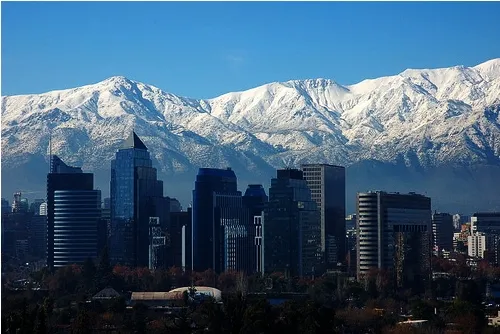
On clear winter days after rain, the snowcapped ridgeline visible from Santiago's streets includes several peaks above 6,000 meters, including Tupungato (6,570m) — the view from San Cristóbal Hill frames this Andean wall just 80km from the city center, making Santiago's relationship with its mountains uniquely intimate among world capitals
Santiago was founded in 1541 — over 480 years of continuous urban history
Pedro de Valdivia founded Santiago de la Nueva Extremadura on February 12, 1541 at the foot of a small hill (Huelén, now Cerro Santa Lucía) beside the Mapocho River — the same river that still divides the city today, though its banks have been transformed into linear parks and the cycleways that define modern Santiago
Greater Santiago produces roughly 40% of Chile's entire GDP
Chile's extraordinary economic centralization means that some 7 million of the country's 19 million people live in the Santiago Metropolitan Region, where more than a third of the country's universities, hospitals, industries, and cultural institutions are concentrated — making it one of the most primate cities in Latin America
Pablo Neruda won the 1971 Nobel Prize in Literature — one of two Chilean laureates in the field
Neruda's Santiago home, La Chascona (built in 1953 for his third wife Matilde Urrutia), sits hidden in the Bellavista neighborhood at the foot of San Cristóbal Hill; he followed Gabriela Mistral, who took Chile's first literature Nobel in 1945. La Chascona was ransacked by Pinochet's forces days before Neruda died in 1973, but has since been restored into one of Chile's most visited literary museums
Around 1.2 million people filled central Santiago on October 25, 2019 — the largest march in Chilean history
The estallido social that began that month over a metro-fare rise converged on Plaza Baquedano — rechristened "Plaza de la Dignidad" by demonstrators — and swelled into the mobilization Chileans call "la marcha más grande de Chile," triggering the process that produced two national constitutional referendums
Source: tour-guide.com — Free to cite with attribution
Things to see
What are the top attractions in Santiago?
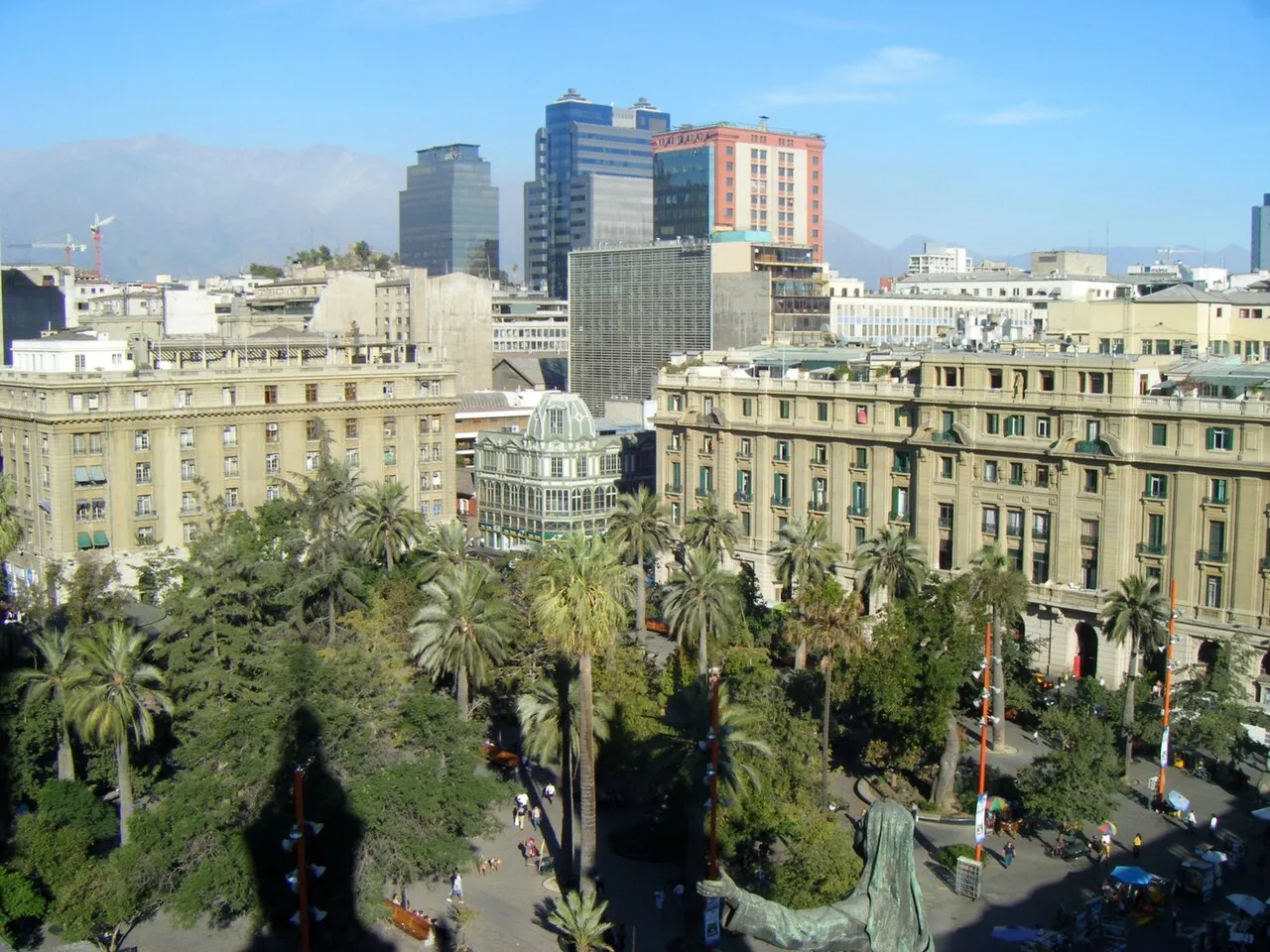
- Plaza de Armas — The colonial heart of Santiago, active since 1541, surrounded by the cathedral, courts, and the city's oldest surviving building
- San Cristóbal Hill — The best panorama of Santiago with the Andes filling the horizon, reachable by funicular through Bellavista
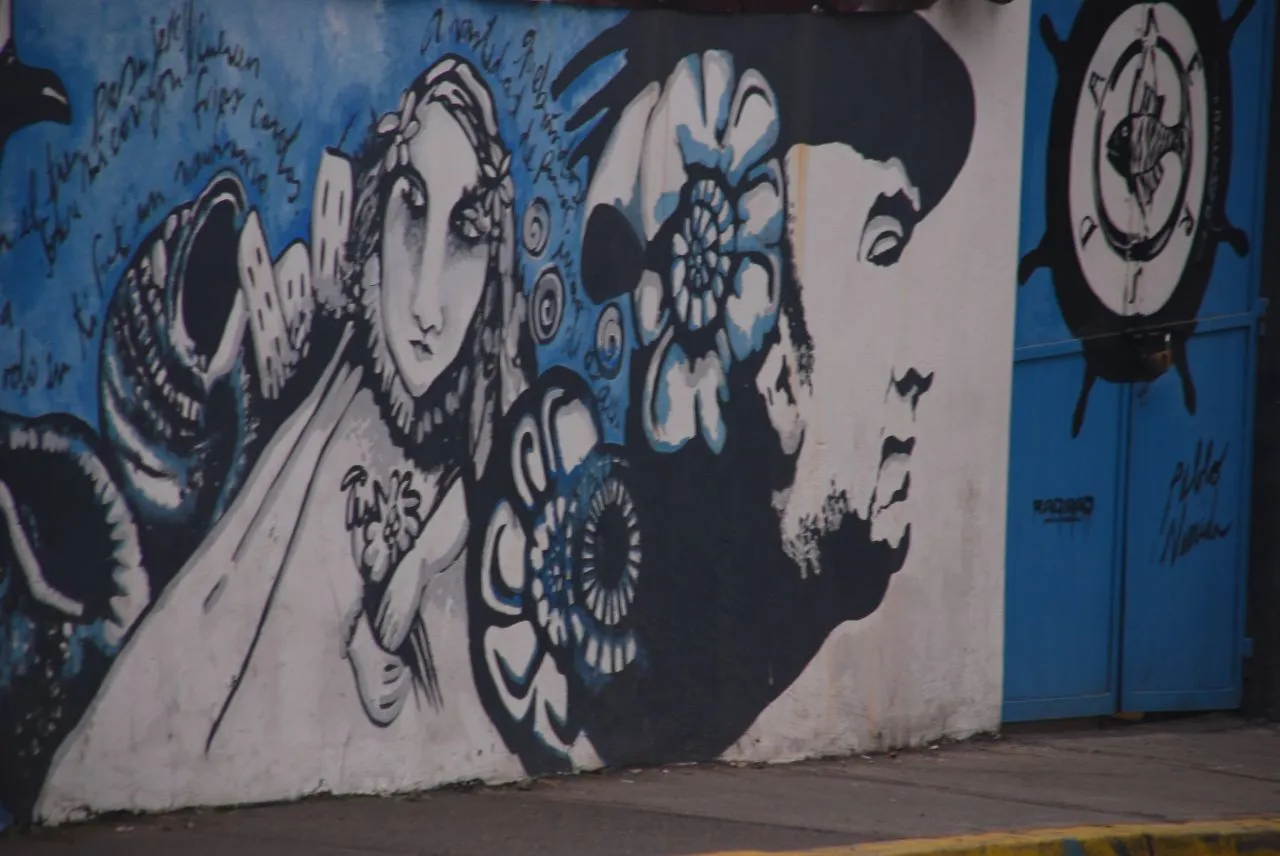
- La Chascona Museum — Pablo Neruda's hidden Bellavista home, a treasure house of nautical curiosities and poetic obsessions
- Lastarria Neighborhood — Santiago's gallery quarter with independent bookshops, street art, and the city's best terrace cafés
La Chascona Museum
Pablo Neruda's secret house — nautical obsessions, secret staircases, and the poetry of accumulated things
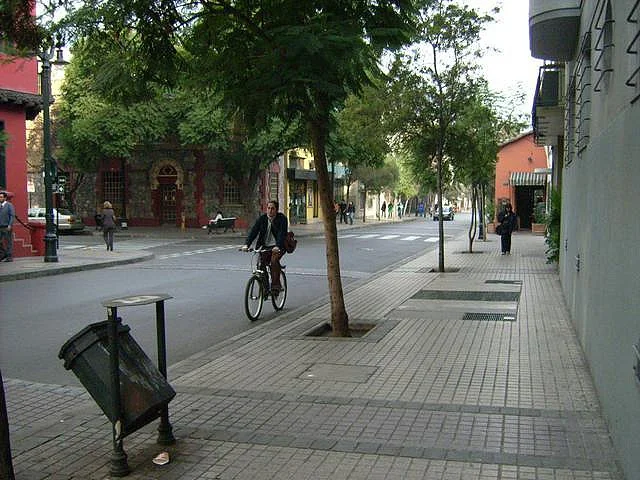
Lastarria Neighborhood
Santiago's literary and artistic heart — independent bookshops, gallery cafés, and terrace tables in the shade
Plaza de Armas
Santiago's founding heart — 480 years of Chilean civic life on a single square
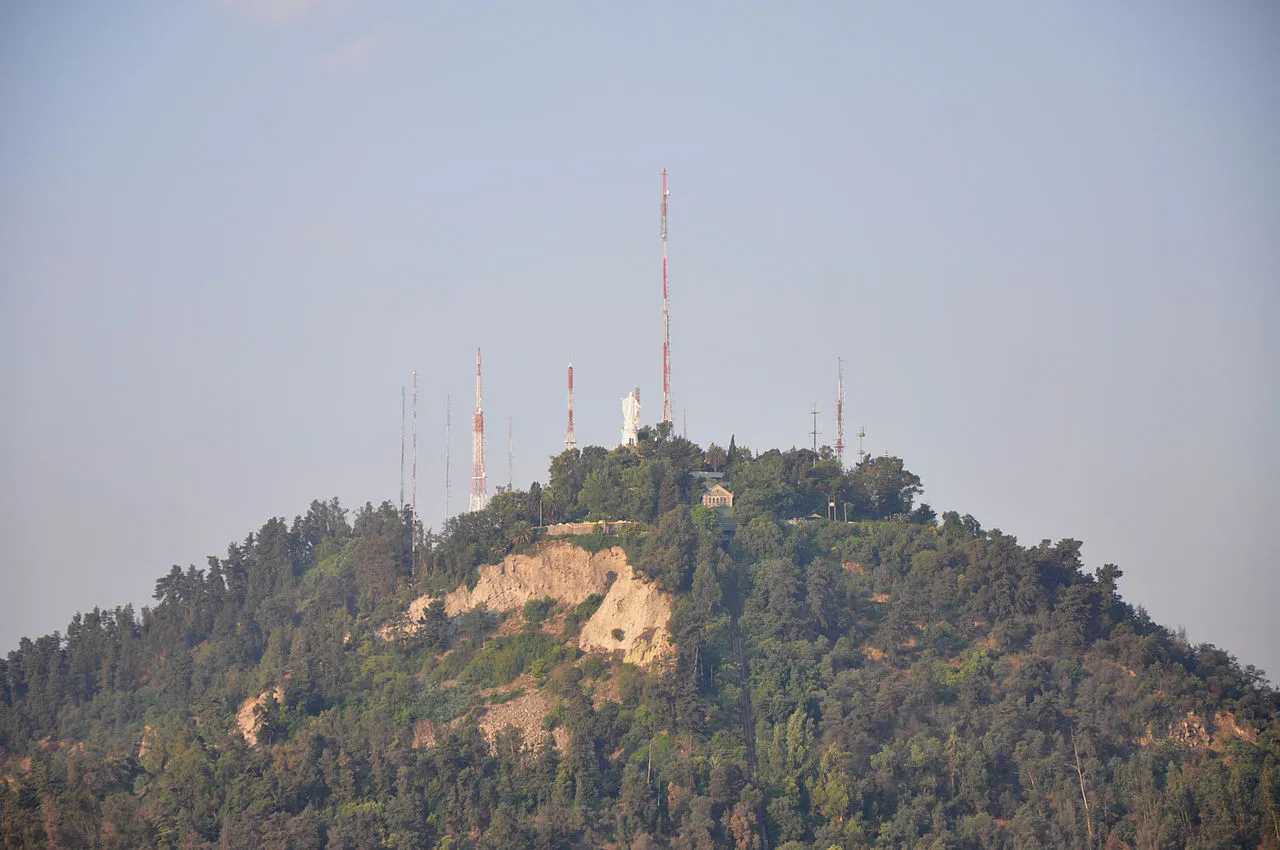
San Cristóbal Hill
Santiago from above — the Andes wall, the city basin, and the funicular through Bellavista
Guide planning
How much does a tour guide cost in Santiago?
| Tour Type | Price | Details |
|---|---|---|
| Group historic center walking tour | CLP 10,000–25,000 ($12–30) | Per person |
| Private half-day city guide | CLP 80,000–180,000 ($95–210) | Up to 4 people |
| Pablo Neruda literary tour | CLP 100,000–200,000 ($120–235) | Per group |
| Maipo wine valley day trip | CLP 70,000–200,000 ($80–235) | Per person, includes tastings |
Season planner
When is the best time to visit Santiago?
March and April are Santiago's finest months — the Maipo Valley grape harvest is underway, the afternoon light is golden on the colonial architecture, temperatures are comfortable at 20–24°C, and the autumn foliage in the Andes turns the distant slopes amber and red. September and October run the harvest months close: spring blossom covers the city's parks and the ski resort snows are recent enough that the Andean ridgeline stays white. Winter (June–August) is cold but offers the clearest air of the year — Santiago's smog basin clears after rain, and on a winter morning after a storm, the view of the Andes from San Cristóbal Hill is the most spectacular in any South American city. The ski resorts of Valle Nevado and El Colorado are 50 minutes away by car and fully operational from July through September, making Santiago an unusual city that offers skiing in the morning and urban culture in the afternoon.
Spring
Mar-May
Summer
Jun-Aug
Autumn
Sep-Nov
Winter
Dec-Feb
Each score averages that season’s monthly ratings out of 5. The top-rated window is usually the peak season too, so read the guidance above for its trade-offs before you book.
On the ground
How do you get around Santiago?
- Metro — Seven lines (1, 2, 3, 4, 4A, 5 and 6) cover the main tourist areas; CLP 810–940 per ride, tap a rechargeable Bip! card; trains run 6 AM–11 PM Mon–Sat, 8 AM–10 PM Sunday, and many central stations have lifts for step-free access
- Uber/Cabify — Both operate throughout Santiago; more reliable than radio taxis for non-Spanish speakers
- Funicular — The Teleférico de Santiago connects Pedro de Valdivia Norte station to the summit of San Cristóbal Hill (CLP 3,400 round trip)
- Bike share (Bikesantiago) — 3,000 bikes at 250 stations; excellent for Lastarria, Providencia, and the Mapocho riverbank paths
- Tip — Santiago's smog is worst on still summer afternoons; schedule outdoor viewpoints (San Cristóbal Hill, La Moneda rooftop) for morning or after rain
Frequently Asked Questions
What is the best time to visit Santiago?
September through November (spring) and March through May (autumn) are the most pleasant months — temperatures between 15–25°C, clear Andean skies, and the vineyards at their most photogenic (harvest is in March and April). December through February is hot (up to 35°C) and the smog that settles in the basin can obscure the Andes view. Winter (June–August) is cold by day (8–14°C) but often delivers the clearest, crispest Andean panoramas as rain washes the air — and the ski resorts at Valle Nevado and El Colorado are just 50 minutes away.
How much does a tour guide cost in Santiago?
Chile is South America's most expensive tourism destination. Group city walking tours cost CLP 10,000–25,000 ($12–30) per person. Private half-day guides run CLP 80,000–180,000 ($95–210). A dedicated Pablo Neruda literary tour combining La Chascona, Bellavista, and the Lastarria neighborhood costs around CLP 100,000–200,000 ($120–235) per group. Wine valley day trips to Maipo or Casablanca cost CLP 70,000–200,000 ($80–235) per person including tastings and transport.
How do you get around Santiago?
Santiago has one of Latin America's best metro systems — clean, frequent, and affordable at CLP 810–940 ($0.95–1.10) per ride depending on peak hours. The network covers most tourist areas including the historic center, Bellavista, Providencia, and Las Condes. For Lastarria, La Chascona, and San Cristóbal Hill, the metro is sufficient. Uber and Cabify operate throughout the city and are reliable. Rental cars are useful for wine valley day trips but unnecessary for the city itself.
Where can you see Santiago's political history firsthand?
Santiago wears its recent past in the open. The Palacio de La Moneda — bombed during the September 11, 1973 coup and today open for free timed visits to its courtyards — sits five blocks from the Plaza de Armas, where independence was proclaimed and the 2019 protests converged. The Museo de la Memoria y los Derechos Humanos documents the Pinochet dictatorship in unflinching detail, and the ransacked-then-restored home of Pablo Neruda, La Chascona, shows how the coup reached into cultural life. The murals around the Lastarria neighborhood and Plaza Baquedano remain the clearest record of the 2019 social uprising.