
Collections Highlights
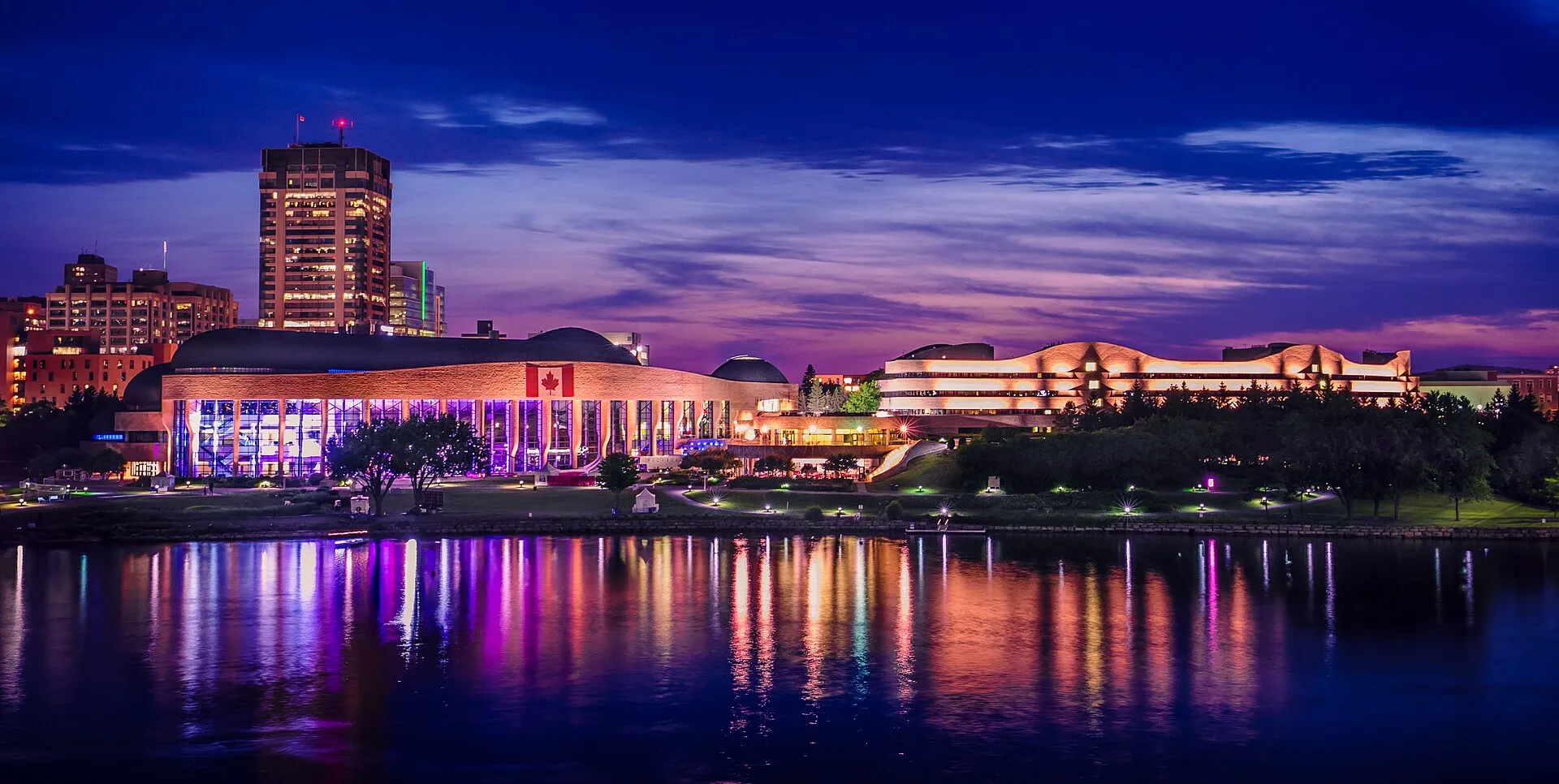
Grand Hall: Six Pacific Northwest Indigenous houses stand beneath a soaring glass wall, surrounded by totem poles that rise over 12 metres — morning light floods the hall and illuminates the carved cedar faces in a way that photographs cannot fully capture. Canadian History Hall: The museum's centrepiece exhibition walks visitors through a thousand years in three galleries, using original artefacts, immersive recreations, and multimedia installations to trace the forces that built and continue to reshape the country. First Peoples Hall: Dedicated entirely to Indigenous perspectives, this gallery features ceremonial regalia, archaeological finds stretching back millennia, and contemporary artworks that insist on the living, evolving nature of First Nations, Inuit, and Metis cultures. CINE+ theatre: A screen the height of a six-storey building paired with immersive sound delivers nature documentaries and cultural films that make you feel as if you have been dropped into the Canadian Rockies or the Arctic tundra. Children's Museum: Kids navigate a miniature world of cultural environments — climbing aboard a decorated Pakistani bus, entering a Bedouin tent, or crafting origami in a Japanese room — earning passport stamps at each station along the way. Douglas Cardinal's architecture: The building itself rewards a slow exterior walk: its undulating limestone-and-copper facade, set against the river and the Parliament skyline opposite, is one of the most photographed structures in the national capital region.
Guided Tours
Museum guides at the Canadian Museum of History bring institutional depth to a collection that spans the entire breadth of the nation's past. In the Grand Hall, they decode the iconography of Pacific Northwest totem poles — explaining how the carved figures of Raven, Thunderbird, and Bear represent clan lineages, creation narratives, and territorial rights that remain legally significant today. In the Canadian History Hall, guides compress a thousand-year chronological narrative into a coherent 2-hour arc, highlighting pivotal turning points: the fur trade alliances that shaped early diplomacy, the 1759 Battle of the Plains of Abraham, Confederation in 1867, the 1885 Metis resistance, wartime sacrifices at Vimy Ridge and Juno Beach, and the ongoing work of truth and reconciliation with Indigenous peoples. In the First Peoples Hall, Indigenous guides and cultural practitioners offer perspectives that connect museum artefacts to living traditions — ceremonial regalia is explained not as historical curiosity but as active expressions of identity maintained by communities across the country. Thursday evening free admission hours create an opportunity for focused, crowd-free gallery exploration that guides leverage for intimate, conversational tours.
When to Visit
General hours: Tuesday through Sunday, 9:30 AM - 5 PM; closed Mondays except holiday Mondays and during summer peak (July-August, when it opens daily). Thursday evenings: Open until 8 PM, with free admission from 4 PM to 8 PM — the best-kept deal in the capital region. CINE+ screenings: Showtimes vary; check the museum website on the day of your visit for the current schedule. Best time: Tuesday or Wednesday mornings in September, when school groups have not yet started their fall schedule and the galleries feel spacious and contemplative.
Admission and Costs
Adult admission: CA$23 for access to all permanent galleries including the Grand Hall, Canadian History Hall, and First Peoples Hall. Child admission (3-12): CA$15; children under 3 enter free. CINE+ film: CA$5 extra per person on top of general admission — the immersive format is worth the surcharge for nature and documentary films. Free Thursday evenings: Admission is waived from 4 PM to 8 PM every Thursday, making it possible to explore the highlights in a focused two-hour visit without spending a dollar.
Tips for Visitors
Cross the river on foot: Walk across the Alexandra Bridge from downtown Ottawa — the pedestrian pathway offers dramatic views of both Parliament Hill and the museum, and the crossing takes about 15 minutes. Allocate at least three hours: The Canadian History Hall alone can absorb two hours if you engage with its multimedia stations; add time for the Grand Hall, First Peoples Hall, and a CINE+ film. Thursday evening strategy: Arrive at 4 PM sharp for free admission, head directly to the Grand Hall while light still pours through the windows, then work through the History Hall as the evening crowd thins out. Combine with the river path: After your visit, follow the shoreline path west from the museum toward the Chaudiere Falls for a pleasant walk that connects to cycling routes leading back across the Portage Bridge into Ottawa. Dining options: The museum cafe offers basic fare, but for a better meal, walk back across the bridge to ByWard Market, where dozens of restaurants are a ten-minute stroll from the Ontario end of the crossing.
Frequently Asked Questions
What are the opening hours for the Canadian Museum of History?
General hours: Tuesday through Sunday, 9:30 AM - 5 PM; closed Mondays except holiday Mondays and during summer peak (July-August, when it opens daily).
What does admission to Canadian Museum of History cost?
Adult admission: CA$23 for access to all permanent galleries including the Grand Hall, Canadian History Hall, and First Peoples Hall. Child admission (3-12): CA$15; children under 3 enter free.
What to know before visiting the Canadian Museum of History?
Cross the river on foot: Walk across the Alexandra Bridge from downtown Ottawa — the pedestrian pathway offers dramatic views of both Parliament Hill and the museum, and the crossing takes about 15 minutes.