

Overview
San Telmo is the oldest residential neighborhood in Buenos Aires, a barrio of crumbling colonial mansions, cobblestone streets worn smooth by two centuries of foot traffic, and an antique obsession that saturates every block. The grand casonas (townhouses) lining Calle Defensa were once home to the city's wealthiest families, who abandoned them for Recoleta after a yellow fever epidemic swept through in 1871. The mansions were subdivided into conventillos (tenement houses) for Italian and Spanish immigrants, and for a century San Telmo was a working-class neighborhood with a reputation for tango, petty crime, and bohemian defiance.
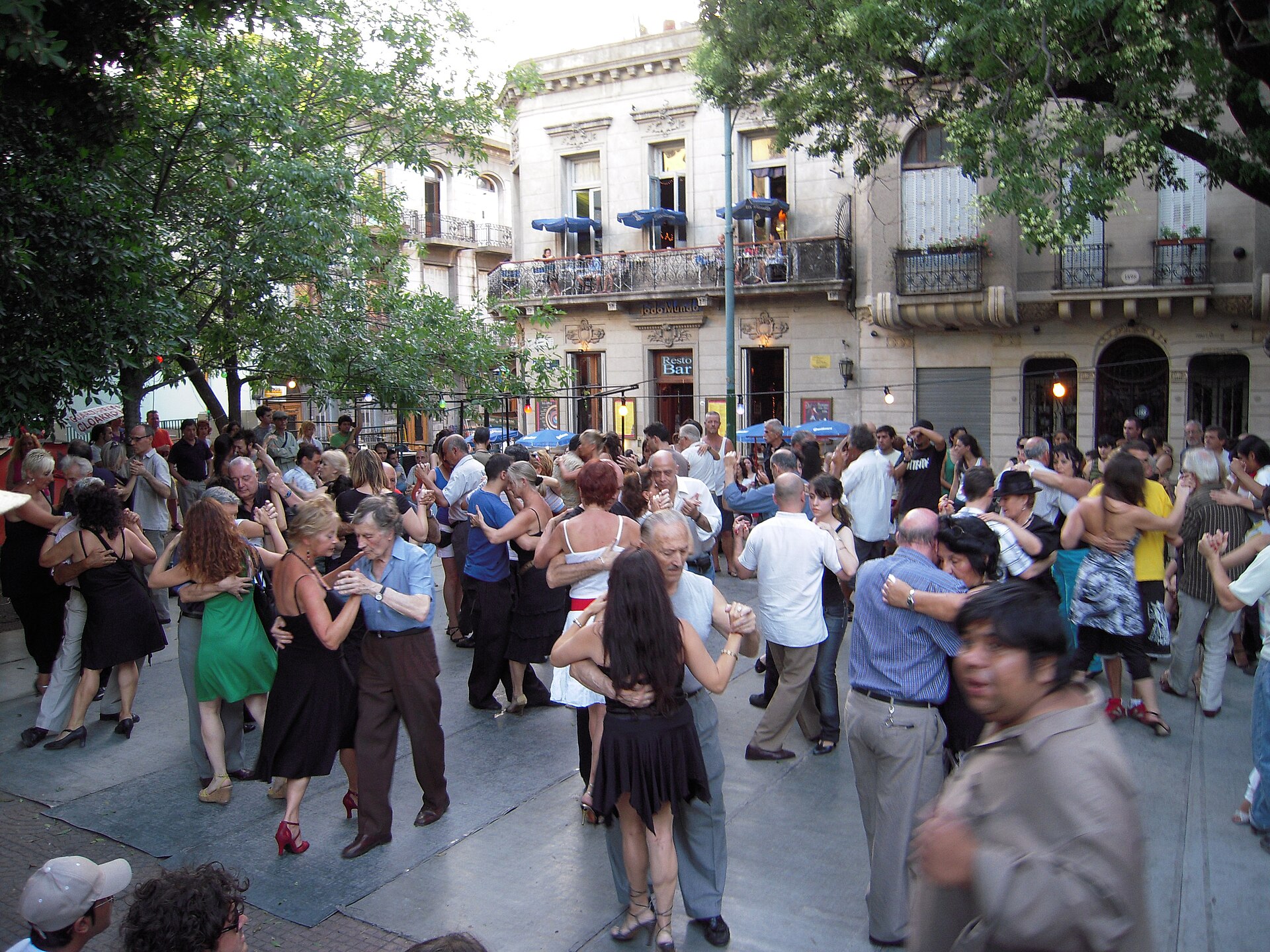
The gentrification of the past two decades has brought boutique hotels, craft cocktail bars, and art galleries to San Telmo without quite erasing its edge. The legendary Sunday market along Defensa — Feria de San Telmo — stretches for 30 blocks, filling the street with antique dealers, silverwork vendors, tango performers, and empanada carts. At night, the neighborhood transforms again: milongas open their doors in converted warehouses and basement ballrooms, and couples dance tango until 4 or 5 AM. A guide connects the threads — showing you the hidden passages behind mansion facades, the unmarked milongas, and the stories of the yellow fever mass graves beneath the plaza — that make San Telmo far more than a shopping destination. From here, it's a short walk north to Plaza de Mayo or south toward La Boca.
Walking Routes
Feria de San Telmo: The Sunday antique market is one of South America's great street fairs — thirty blocks of silverware, vinyl records, vintage cameras, gaucho knives, and mate gourds, with tango performers at every intersection. Mercado de San Telmo: A beautiful 1897 ironwork market hall where vendors sell fresh produce, artisan cheese, cured meats, and the best empanadas in the neighborhood. Milongas after midnight: San Telmo hosts some of Buenos Aires' most authentic tango venues — La Catedral (a converted warehouse), El Viejo Almacén, and smaller unmarked salons that a guide can find. Pasaje de la Defensa: A former mansion converted into a covered arcade of antique shops, accessed through an ornate 19th-century entrance that most visitors walk right past. Plaza Dorrego: The heart of San Telmo, where tango performers, café terraces, and antique dealers create a living postcard every Sunday.
Local Life
San Telmo's daily rhythms unfold far from the Sunday market spotlight. On weekday mornings, the Mercado de San Telmo belongs to neighborhood residents filling baskets with fresh vegetables and medialunas (Argentine croissants), while elderly men argue over coffee at corner cafés that haven't changed their menus in decades. The conventillos that once housed immigrant families now host artist studios and community tango schools where locals of all ages practice the ocho and the gancho. Evening brings the sound of bandoneón practice drifting from upper-floor windows, and hidden parrillas (grill restaurants) serve thick asado cuts to regulars who know to arrive before 9 PM. A guide reveals these quiet corners that sit just steps from the tourist trail but a world apart — the real pulse of Buenos Aires' oldest neighborhood.
When to Visit
Sunday market (Feria de San Telmo): Sundays 10 AM - 5 PM along Calle Defensa. Mercado de San Telmo (indoor market): Daily 8 AM - 8 PM. Milongas: Most open after 10 PM and run until 3-5 AM, with peak energy after midnight. Best: Sundays for the market atmosphere; weekday evenings for milongas without tourist crowds. Duration: Half day for the market; an evening for milonga exploration.
Admission and Costs
Market browsing: Free entry — antiques range from AR$5,000 trinkets to AR$500,000+ silver pieces. Milonga entry: AR$5,000-15,000 ($5-15) typically including a drink. Guided San Telmo walking tour: AR$15,000-25,000 ($15-25) per person. Private tango + San Telmo experience: AR$50,000-80,000 ($50-80) including milonga entry and lesson. Antique shopping with a specialist guide: AR$30,000-50,000 ($30-50) for 3 hours.
Tips for Visitors
Sunday is essential: The Feria de San Telmo runs only on Sundays, and the neighborhood's energy that day is incomparable — arrive by 11 AM to beat the worst crowds. Watch your belongings: The Sunday market's density makes it a target for pickpockets. Use a cross-body bag and keep phones in front pockets. Bargain respectfully: Vendors expect negotiation at the outdoor stalls, but prices in the indoor Mercado are generally fixed. Offering 20-30% less is a reasonable starting point outside. Milonga etiquette: Tango social dances follow strict codes — the cabeceo (invitation by eye contact), counterclockwise floor flow, and not talking during a tanda (set of songs). A guide or class beforehand prevents faux pas. Walk to Plaza de Mayo: Head north on Defensa for a 10-minute walk to the political heart of the city, passing through the Monserrat district's colonial architecture. Avoid walking to La Boca alone: The streets between San Telmo and La Boca's Caminito pass through areas best navigated with a guide or by taxi.