
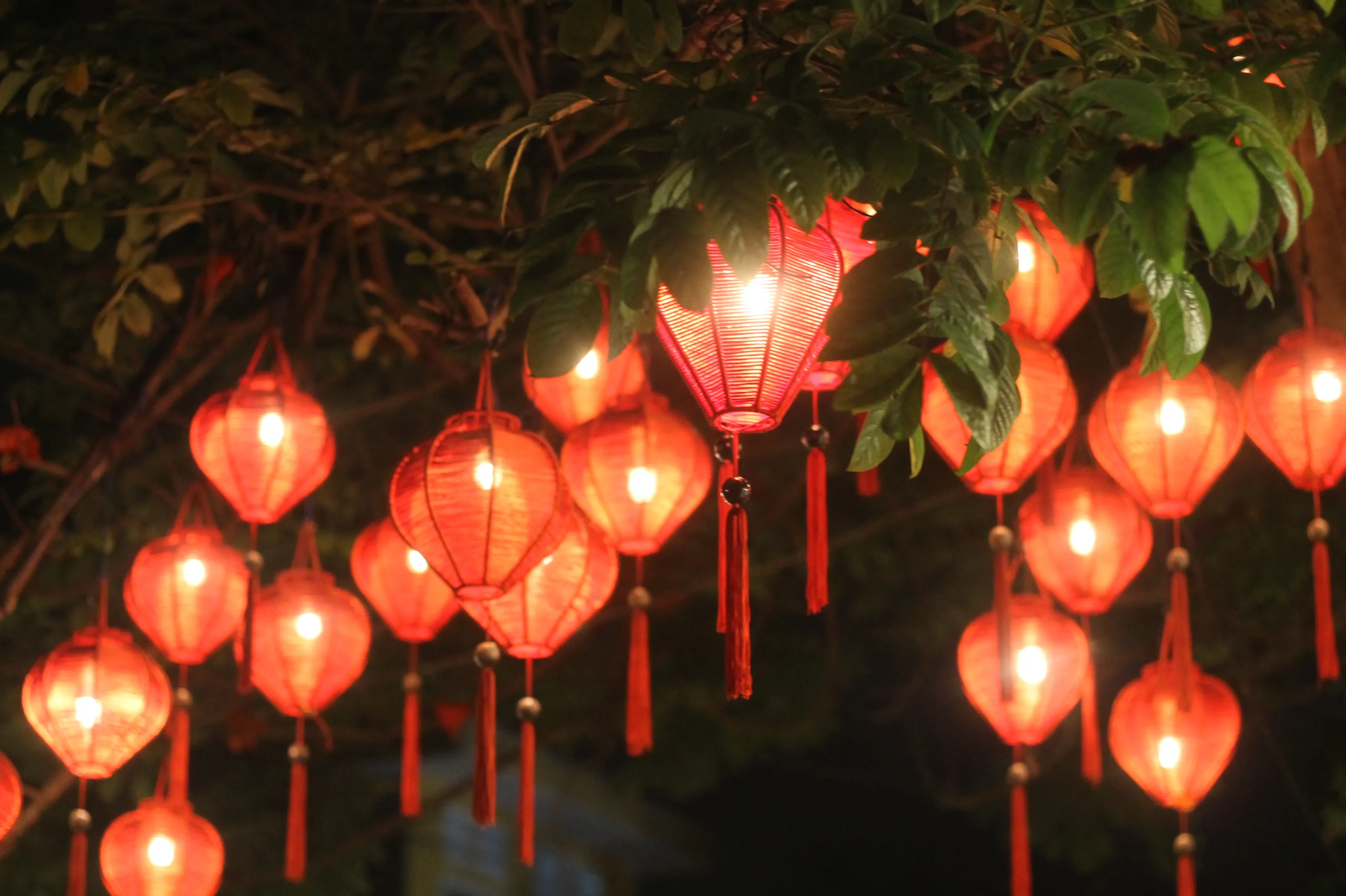
Hoi An timeline
- 15th century
Trading port emerges
Hoi An grew from a regional port into a maritime stop between Vietnam, China, Japan, and Southeast Asia.
- 17th century
Merchant quarter flourishes
Japanese, Chinese, and Vietnamese traders shaped the shophouses and assembly halls of the old town.
- 19th century
River trade declines
Silting and changing trade routes moved commerce toward Da Nang, helping preserve Hoi An's older fabric.
-
Old town listed by UNESCO
World Heritage status protected the trading-port streetscape that now defines visits to Hoi An.
Cited city facts
Key facts for visiting Hoi An
845 historical buildings protected within 1 km² of Ancient Town
The Hoi An Ancient Town conservation zone was designated a UNESCO World Heritage Site in 1999 based on its extraordinary density of intact pre-colonial architecture, representing Japanese, Chinese, French colonial, and traditional Vietnamese merchant house typologies; the conservation authority has prevented significant demolition since the 1980s, making Hoi An one of the best-preserved trading ports in Southeast Asia
UNESCO World Heritage Site since 1999
Hoi An's inscription on the UNESCO World Heritage List was based on its outstanding universal value as an exceptionally well-preserved example of a South-East Asian trading port dating from the 15th to 19th centuries, whose trading traditions and urban fabric have been unusually well preserved
Hundreds of tailor shops producing custom garments in 24–48 hours
Hoi An's tailoring trade dates to the town's mercantile past, when imported Chinese silk was cut and sewn for export; today the industry serves tourists, but the best tailors maintain genuine skill, sourcing Vietnamese silk, Indian cotton, and Italian linen while completing tailored suits, dresses, and ao dai (traditional Vietnamese tunic) in 24–48 hours at a fraction of Western prices — a guide who knows the quality operators saves you from the tourist-trap shops that cut corners on fabric and stitching
Source: tour-guide.com — Free to cite with attribution
Things to see
What are the top attractions in Hoi An?
- Hoi An Ancient Town — 845 historical buildings in a living, pedestrianised UNESCO site that was once Southeast Asia's busiest trading port
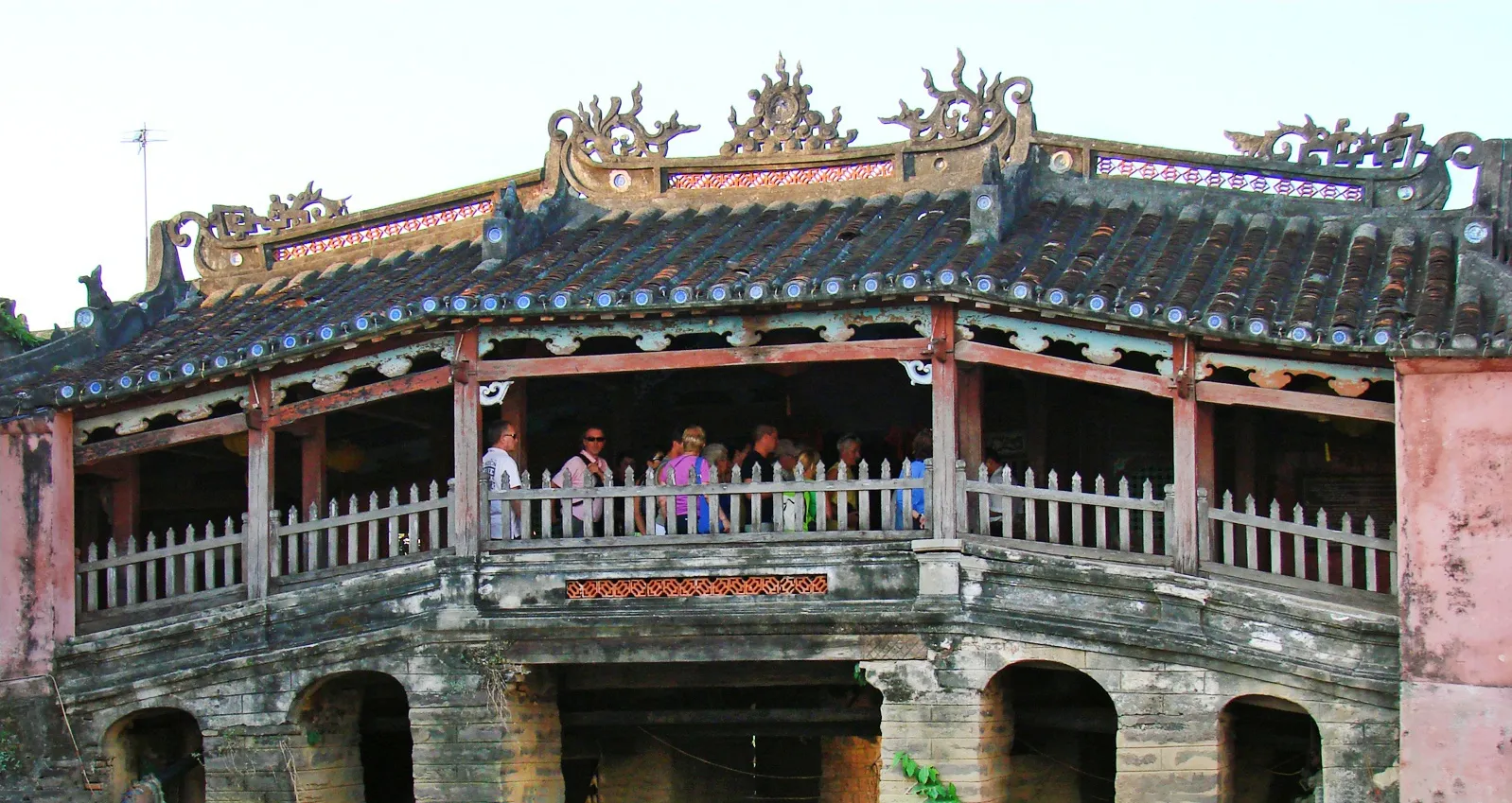
- Japanese Covered Bridge — a 17th-century covered bridge with a Taoist temple in its arch, the most photographed structure in Hoi An
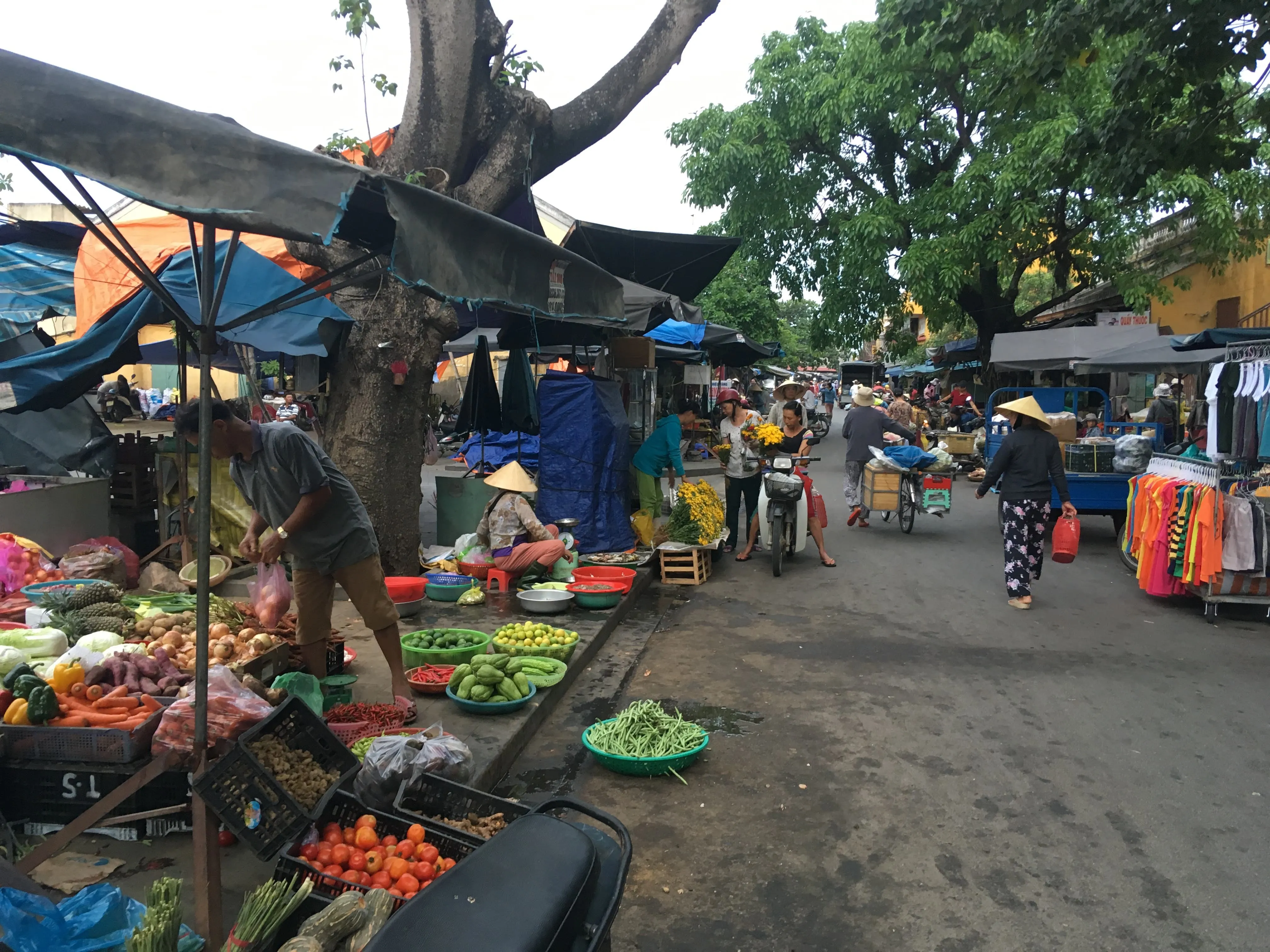
- Hoi An Central Market — the daily riverside market open from 5 AM, stacked with cao lau ingredients, fresh herbs, and the freshest seafood in Quang Nam province
- Phuc Kien Assembly Hall — the finest of Hoi An's six Chinese clan halls, built by Fujian merchants in the 17th century with extraordinary altar complexes and tiled courtyards
- Tra Que Vegetable Village — a farming hamlet 3 km from the Ancient Town where organic herbs for Hoi An's cuisine are grown; cycling tours with cooking classes are available
- An Bang Beach — a calm, undeveloped beach 3 km east of the Ancient Town, with excellent seafood restaurants and calm South China Sea swimming conditions February through August
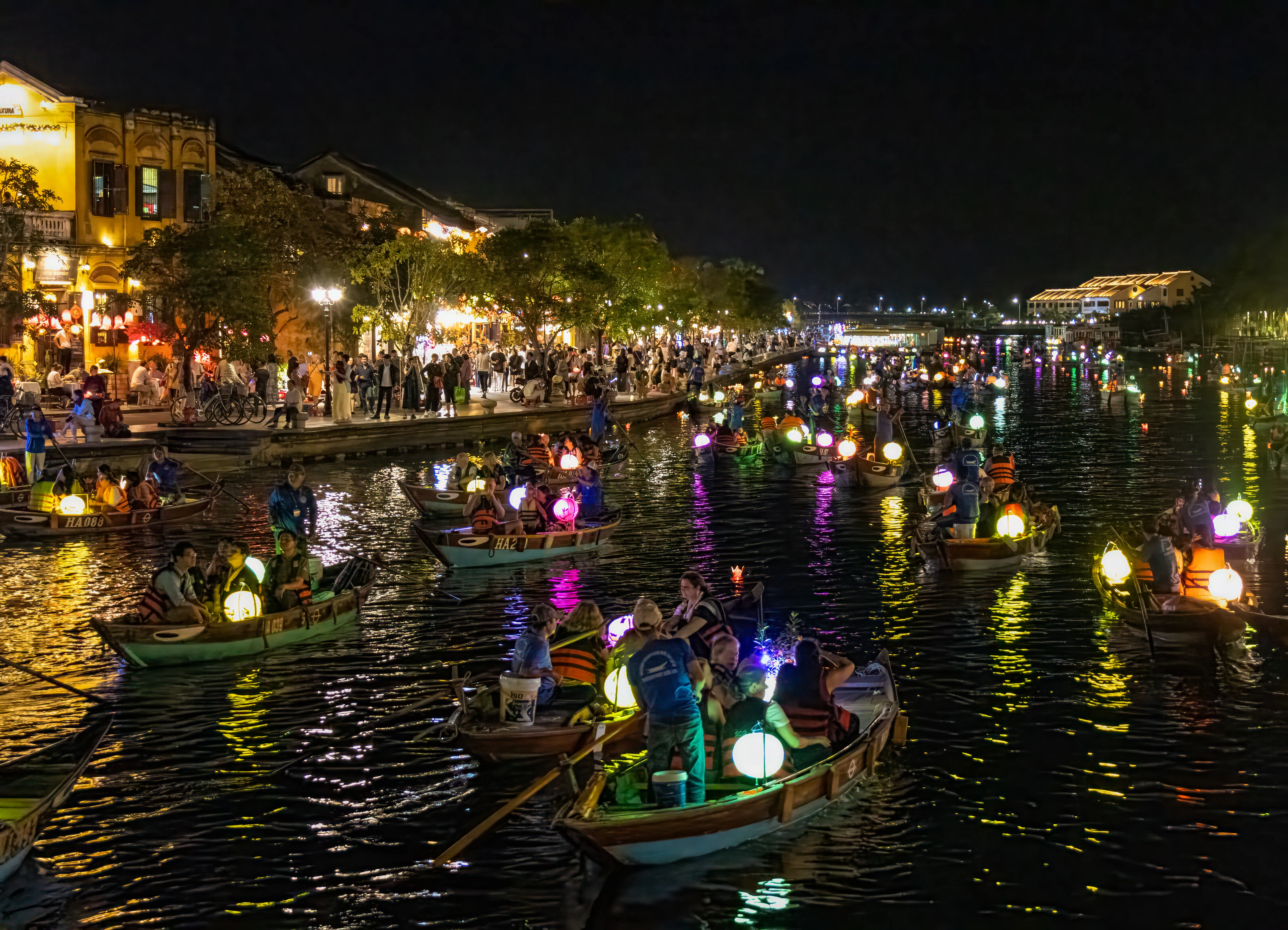
Hoi An Ancient Town
845 buildings, six clan halls, one UNESCO World Heritage site — Southeast Asia's most intact trading port
Hoi An Central Market
Hoi An's riverside dawn market — where cao lau, white rose dumplings, and local cuisine begin
Japanese Covered Bridge
Vietnam's most photographed bridge — a 17th-century Japanese merchant landmark with a Taoist temple built into its arch
Guide planning
How much does a tour guide cost in Hoi An?
| Tour Type | Price | Details |
|---|---|---|
| Ancient Town walking tour (3 hrs) | 300,000–600,000 VND | Per person, includes combined ticket |
| Street food & market tour | 400,000–700,000 VND | Per person, tastings included |
| Cycling to Tra Que Village (half day) | 350,000–500,000 VND | Per person, with cooking demo |
| Private full-day guide (up to 4) | 1,000,000–1,800,000 VND | Custom itinerary |
| Cooking class with market visit | 600,000–900,000 VND | Per person, 4–5 hours |
- VNAT-licensed guides: Official licensing ensures trained professionals who understand the conservation rules governing the Ancient Town
- Food specialists: Dedicated culinary guides know which street stalls have been perfecting cao lau and banh mi for three generations
- Tailoring advisors: Some guides specialise in the tailoring trade and can direct you to reputable fabric merchants and skilled tailors with genuine quality control
Season planner
When is the best time to visit Hoi An?
February through July is Hoi An's dry season and the most comfortable period for exploring the Ancient Town on foot and cycling to the surrounding villages. March to May offers ideal conditions — temperatures of 25–30°C, low humidity, and clear skies. June and July can be warm and occasionally humid but remain manageable. August brings the first hints of the approaching monsoon. October and November are the wettest months, with regular flooding in the lower streets of the Ancient Town — beautiful for photography but requiring rubber sandals and a relaxed attitude to wet feet. December and January are dry and cooler (18–22°C), excellent for walking. The Full Moon Lantern Festival, held on the 14th of every lunar month, is worth timing a visit around regardless of season.
Spring
Mar-May
Summer
Jun-Aug
Autumn
Sep-Nov
Winter
Dec-Feb
Each score averages that season’s monthly ratings out of 5. The top-rated window is usually the peak season too, so read the guidance above for its trade-offs before you book.
On the ground
How do you get around Hoi An?
- Walking — the Ancient Town's 1 km² is entirely pedestrianised (cars and most motorbikes banned 7 AM–9 PM); all major heritage sites are within 10 minutes on foot
- Bicycle — the best way to explore beyond the Ancient Town; hire from guesthouses or tour operators for 50,000–80,000 VND per day; Tra Que and An Bang Beach are 20–30 minutes by bike
- Electric scooter rental — 150,000–200,000 VND per day; useful for reaching the beach, My Son day trips, and the Cham Islands boat launch
- Boat on Thu Bon River — wooden river boats available at the Ancient Town riverfront for island crossings and market trips; negotiate 150,000–250,000 VND for a round trip
- Grab motorbike taxi — the Grab app works in Hoi An for quick transfers to the beach or bus station
- Shuttle bus — regular services to Da Nang airport (30 km) run by tour operators at 100,000–150,000 VND per person
Frequently Asked Questions
What is included in the Hoi An Ancient Town combined ticket?
The 120,000 VND ($4.80 USD) combined ticket grants access to five heritage sites chosen from a menu of 21 listed monuments across the Ancient Town. The five most popular choices are the Japanese Covered Bridge, one of the six Chinese Clan Assembly Halls (Phuc Kien is the finest), one of the Old Houses open to the public (Tan Ky or Phung Hung), one of the museums (Museum of Trade Ceramics or Museum of History and Culture), and one performing arts venue for traditional music. The ticket is purchased at booths along Nguyen Thi Minh Khai Street and is valid for one full day. Electric lights in the Ancient Town are switched off on the 14th of each lunar month for the Full Moon Lantern Festival — the single most atmospheric night to be in Hoi An.
How many days do I need in Hoi An?
Two full days is the minimum for Hoi An done properly: Day one for the Ancient Town (assembly halls, Japanese Covered Bridge, Central Market, and a cooking class), Day two for a bicycle ride through the rice paddies to the Tra Que vegetable village, An Bang Beach, and the cam thanh coconut palm water coconut basket boat experience. A third day allows for a day trip to My Son Hindu sanctuary ruins (40 km south) or a boat trip up the Thu Bon River to the Tra Kieu Cham tower ruins. Travellers interested in custom tailoring — Hoi An has hundreds of tailor shops — should add an extra day for fittings.
Is Hoi An worth visiting during the rainy season?
October and November bring the heaviest rains to Hoi An, and the Ancient Town floods regularly during this period — sometimes knee-deep in the lower streets. This sounds off-putting, but experienced visitors argue it is the most atmospheric time to visit: the lantern reflections on floodwater at night are genuinely extraordinary, the tourist numbers drop significantly, hotel prices fall by 30–50%, and the town takes on a quiet, melancholy beauty that the dry season crowds never allow. Pack rubber sandals for wading and waterproof bag covers for cameras. The Full Moon Festival during the rainy season is particularly special when the water mirrors every lantern.