
Country guide
What makes Vietnam a must-visit destination?
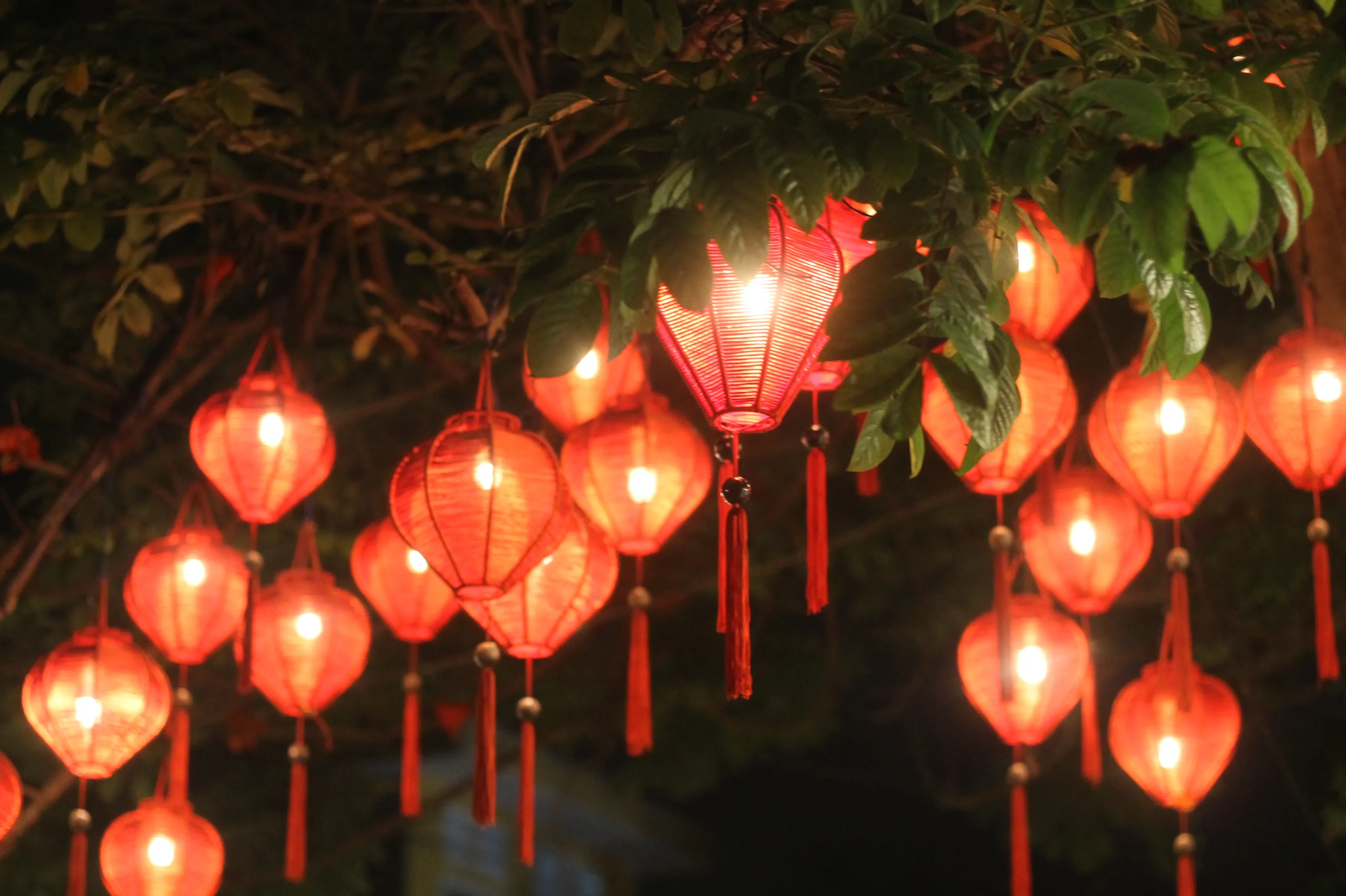
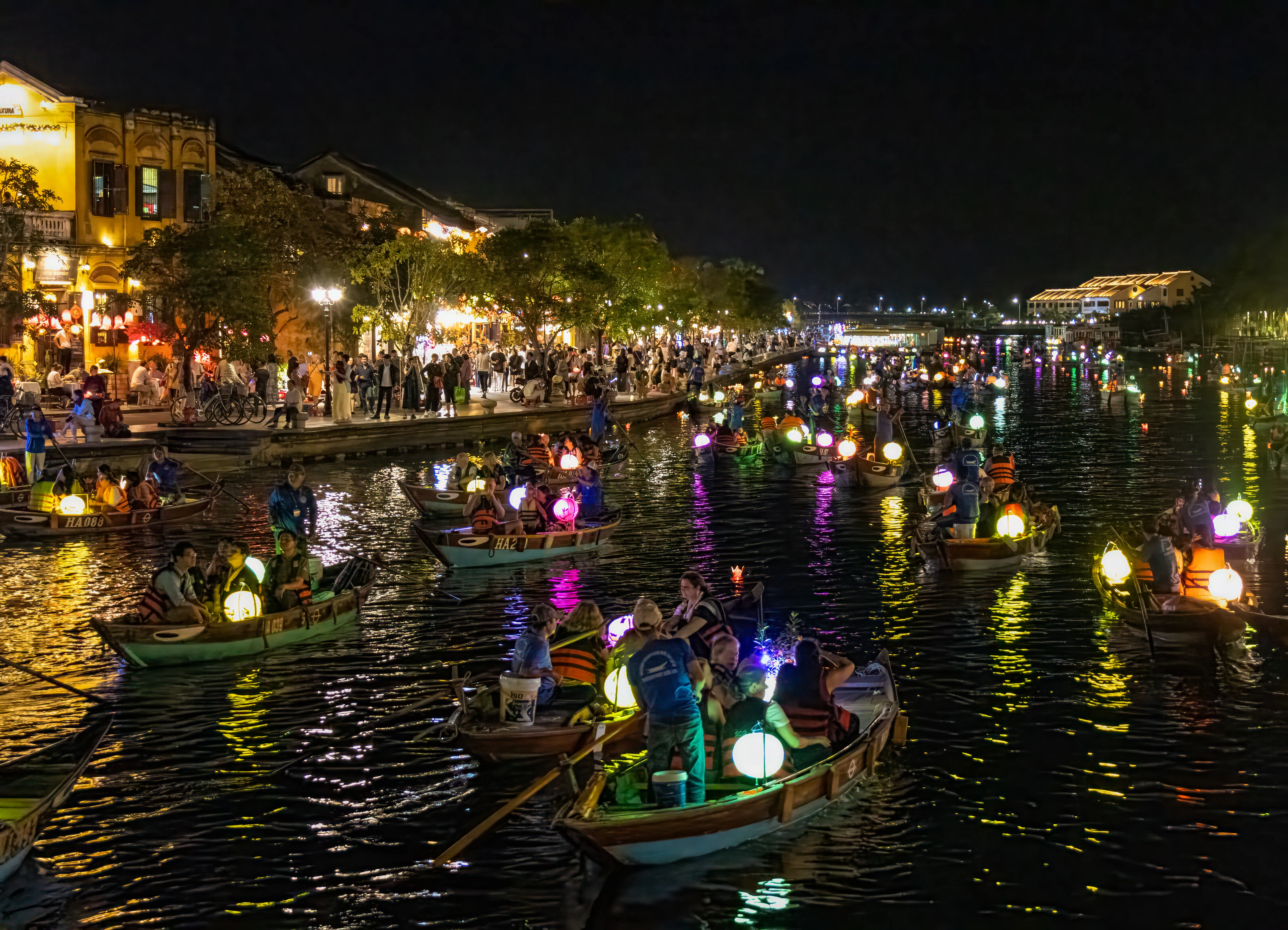
Vietnam stretches roughly 1,650 kilometres from the Chinese border in the north to the Gulf of Thailand in the south — a narrow, S-shaped country whose coastline of more than 3,260 kilometres has carried traders, invaders, and ideas for two thousand years. Geography has bred extraordinary cultural and culinary diversity within a single nation. Hanoi, the 1,000-year-old capital, anchors the north with its tangle of French colonial boulevards, 36-street Old Quarter, and lakes that inspired founding myths. In the centre, Hoi An preserves a UNESCO-listed ancient trading port where Japanese, Chinese, French, and Vietnamese merchant houses stand shoulder to shoulder along the Thu Bon River, their paper lanterns reflected in floodwaters each October. Further south, Ho Chi Minh City — Saigon to almost everyone who lives there — drives the country's commerce where the Mekong Delta fans into rice paddies that feed much of Asia.
Vietnamese history is a story of absorbing conquest without dissolving into it. The Red River civilisation fell under Chinese rule for roughly a thousand years (111 BCE–939 CE) before Ngo Quyen's victory on the Bach Dang River won lasting independence; the Ly, Tran, and Le dynasties then forged a distinct state, repelling repeated Mongol and Chinese invasions while adopting Confucian administration, Mahayana Buddhism, and Chinese script and bending them to Vietnamese ends. In the centre and south, the Hindu-Buddhist kingdom of Champa left the brick towers of My Son and Po Nagar before being absorbed during Vietnam's centuries-long Nam tien, or "southward march." The Nguyen dynasty unified the modern territory in 1802 and built its imperial capital at Hue, only to lose sovereignty to French Indochina from the 1880s. The twentieth century layered on the August Revolution of 1945, the defeat of France at Dien Bien Phu in 1954, the long war with the United States that ended in 1975, and the Doi Moi reforms of 1986 that reopened the economy. Every temple carving, street name, and colonial façade carries one or more of these chapters at once.
The culture that grew from this history rests on a quiet syncretism the Vietnamese call tam giao — the "three teachings" of Confucianism, Buddhism, and Taoism braided together over the older bedrock of ancestor worship, which sets a family altar in almost every home and shop. That reverence peaks at Tet, the Lunar New Year, when the entire country travels home to sweep the graves and feast with the living and the dead. It surfaces, too, in the ao dai silk tunic, the water-puppet theatres (mua roi nuoc) born in the flooded rice paddies of the Red River Delta, the second-floor coffee-house ritual — and, above all, in the food. Vietnam's deepest travel rewards are less monuments than moments: a Hanoian ca phe trung (egg coffee) over Hoan Kiem Lake at dawn; the Full Moon lanterns turning the Thu Bon River silver in Hoi An; the taste of cao lau, a noodle dish whose flavour depends on water drawn from a specific Cham well and cannot be authentically reproduced anywhere else on earth.
A knowledgeable local guide navigates the gap between surface impression and genuine understanding. Vietnam layers Cham, Chinese, French, and American stories across landscapes that look deceptively simple, and the correct reading of a shrine, a market stall, or a colonial building requires fluency in all of them at once — the kind of fluency that separates a tourist visit from an education.
- Language
- Vietnamese Widely spoken across Vietnam
- Currency
- Đồng (₫) Legal tender across Vietnam
- Time zone
- UTC+7 Local time in Vietnam
- Power plugs
- Types A, C, F · 220V Sockets used across Vietnam
- Getting around
- Domestic flights & trains Getting between Vietnam's cities
- Best months
- Jan, Feb, Mar, Apr, Oct, Nov, Dec Averaged across Vietnam's city ratings
Vietnam timeline
-
Independence from China
Ngo Quyen victory on the Bach Dang River became a foundational independence story.
-
Thang Long founded
The imperial capital at Hanoi became a lasting political and cultural center.
-
Nguyen dynasty begins
Imperial Hue rose as the dynastic capital behind citadels, tombs, and court rituals.
-
Independence declared
Ho Chi Minh's declaration reframed Hanoi and the modern national story.
-
Reunification
North and south were reunified, changing how visitors read Hanoi and Ho Chi Minh City.
-
Doi Moi reforms begin
Economic reforms reshaped Vietnamese cities, travel infrastructure, and modern public life.
Vietnam in Pictures
Local context
Culture and travel signals
8 UNESCO World Heritage Sites across the country
Vietnam holds one of the highest counts of any Southeast Asian nation — Halong Bay, Hoi An Ancient Town, the Complex of Hue Monuments, My Son Sanctuary, Phong Nha-Ke Bang National Park, the Citadel of the Ho Dynasty, the Central Sector of the Imperial Citadel of Thang Long, and the Trang An Landscape Complex — spanning limestone karst, imperial capitals, Cham Hindu ruins, and one perfectly preserved trading port
More than 3,260 km of coastline along the South China Sea
Vietnam's S-shaped outline creates one of Southeast Asia's most varied coastlines, running from the Gulf of Tonkin in the north through the central beaches of Da Nang and Hoi An to the Mekong Delta mangroves in the south — giving beach lovers, surfers, and divers entirely different experiences within a single country
54 officially recognised ethnic groups
The Viet (Kinh) majority makes up roughly 85% of the population, while the remaining share comprises 53 distinct ethnic minorities concentrated in the northern highlands and the Central Highlands — Sa Pa, Bac Ha, and Ha Giang markets offer encounters with Hmong, Dao, Tay, and Thai communities whose textile traditions, architecture, and festivals are entirely distinct from lowland Vietnamese culture
Population passed 100 million in 2023
Vietnam is the world's 15th-most-populous country and the third in Southeast Asia, after Indonesia and the Philippines, to cross 100 million residents — a young society with a median age in its early thirties whose economy has grown at an average of around 6% a year for most of the period since the Doi Moi market reforms of 1986 reopened it to the world
Vietnamese street food vocabulary exceeds 500 named dishes
Regional Vietnamese cuisine is one of the world's most geographically fragmented food cultures — pho in Hanoi tastes nothing like pho in Ho Chi Minh City, cao lau is made exclusively in Hoi An using water from a specific well, and banh mi has dozens of regional variants that a food guide can decode at a level no menu translation achieves
Source: tour-guide.com — Free to cite with attribution
Season planner
A year in Vietnam
Use this best time to visit snapshot as a country-wide average, then check the city guides for local timing.
Mar-May
Spring
Spring holds up well for guided travel in Vietnam, averaging Mar-May (4.3/5).
Jun-Aug
Summer
Summer stays workable in Vietnam at Jun-Aug (3/5), so lean on city-by-city timing.
Sep-Nov
Autumn
Autumn stays workable in Vietnam at Sep-Nov (3.7/5), so lean on city-by-city timing.
Dec-Feb
Winter
Winter holds up well for guided travel in Vietnam, averaging Dec-Feb (4/5).
Where should you go in Vietnam?
The Capital
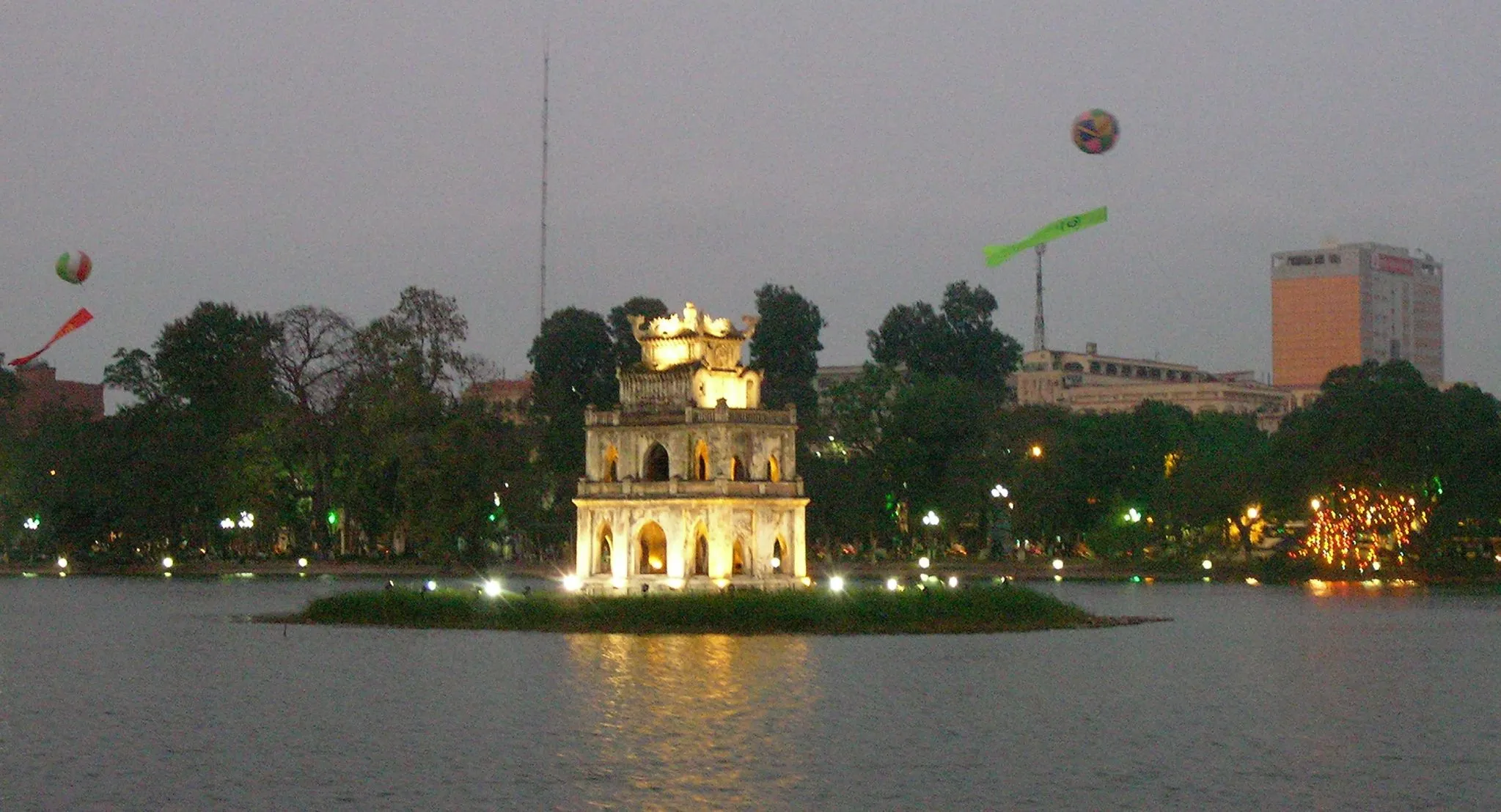
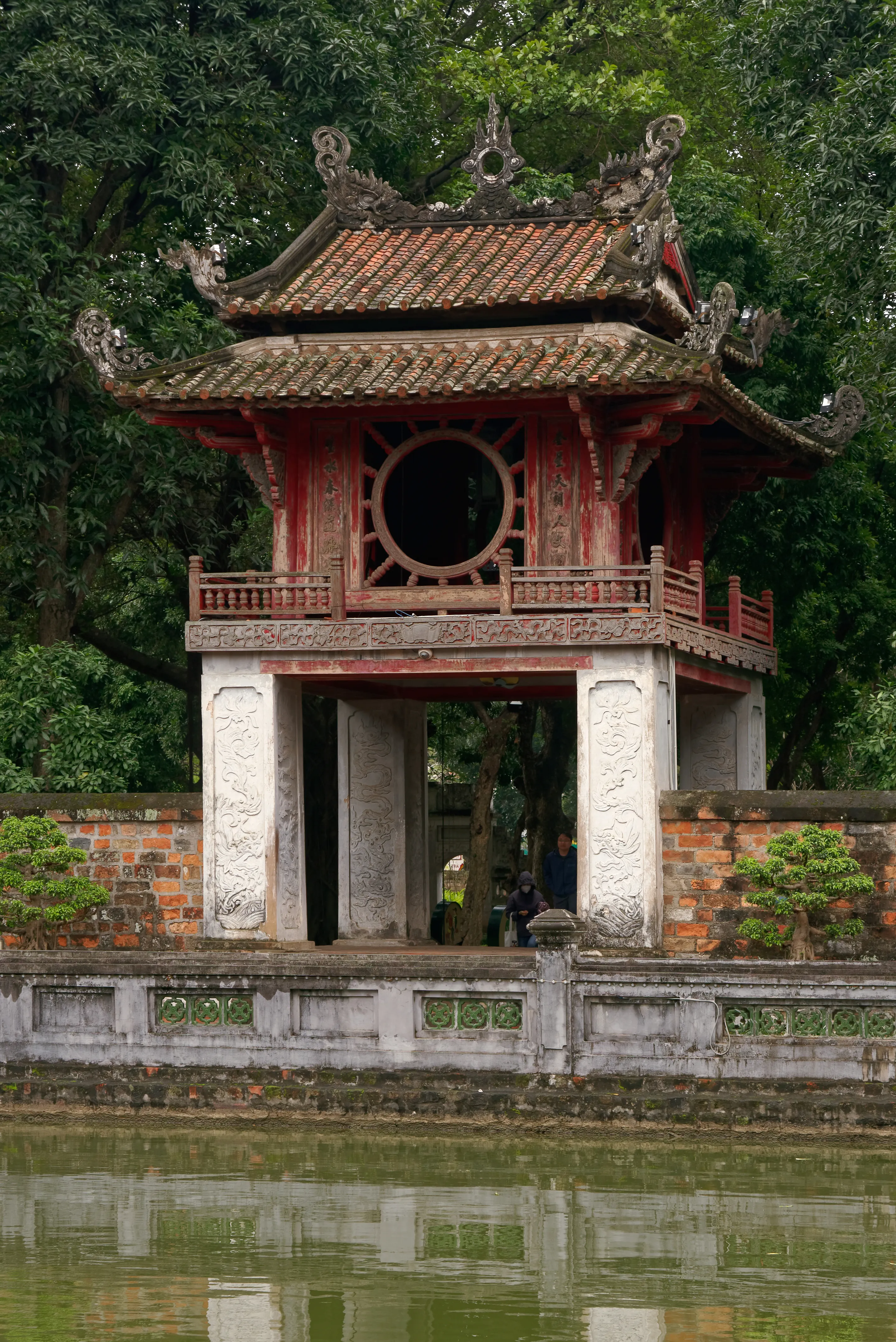
Hanoi rewards slow exploration more than almost any other Asian capital. The 36 Old Quarter streets — each historically named for the trade guild that lined it, from Hang Bac (silver) to Hang Gai (silk) to Hang Thiec (tin) — form a medieval urban grid that absorbed French colonialism without losing its Vietnamese soul. Hoan Kiem Lake anchors the city's spiritual centre, ringed by morning tai chi practitioners and the legend of King Le Loi's magic sword. The Temple of Literature, Vietnam's first national university founded in 1070, offers the most serene hour in a loud city. For those prepared to confront history, the Hoa Lo Prison — the French-built prison that became infamous as the "Hanoi Hilton" during the American War — is one of Southeast Asia's most intellectually demanding museum experiences.
The Ancient Trading Port
Hoi An is arguably Southeast Asia's most beautifully preserved historic town. The Ancient Town — a UNESCO World Heritage Site since 1999 — contains 845 historical buildings across one square kilometre of pedestrianised streets, their yellow-washed walls unchanged since the 17th century. The Japanese Covered Bridge, built in the early 1600s, remains the city's defining symbol and one of the most photographed structures in Vietnam. Each 14th day of the lunar month, the Ancient Town extinguishes its electric lights and burns only lanterns — a monthly spectacle that draws visitors from across the world. The Central Market, open daily from 5 AM along the Thu Bon River, provides the freshest access to the ingredients behind Hoi An's extraordinary street food culture.
The Southern Metropolis
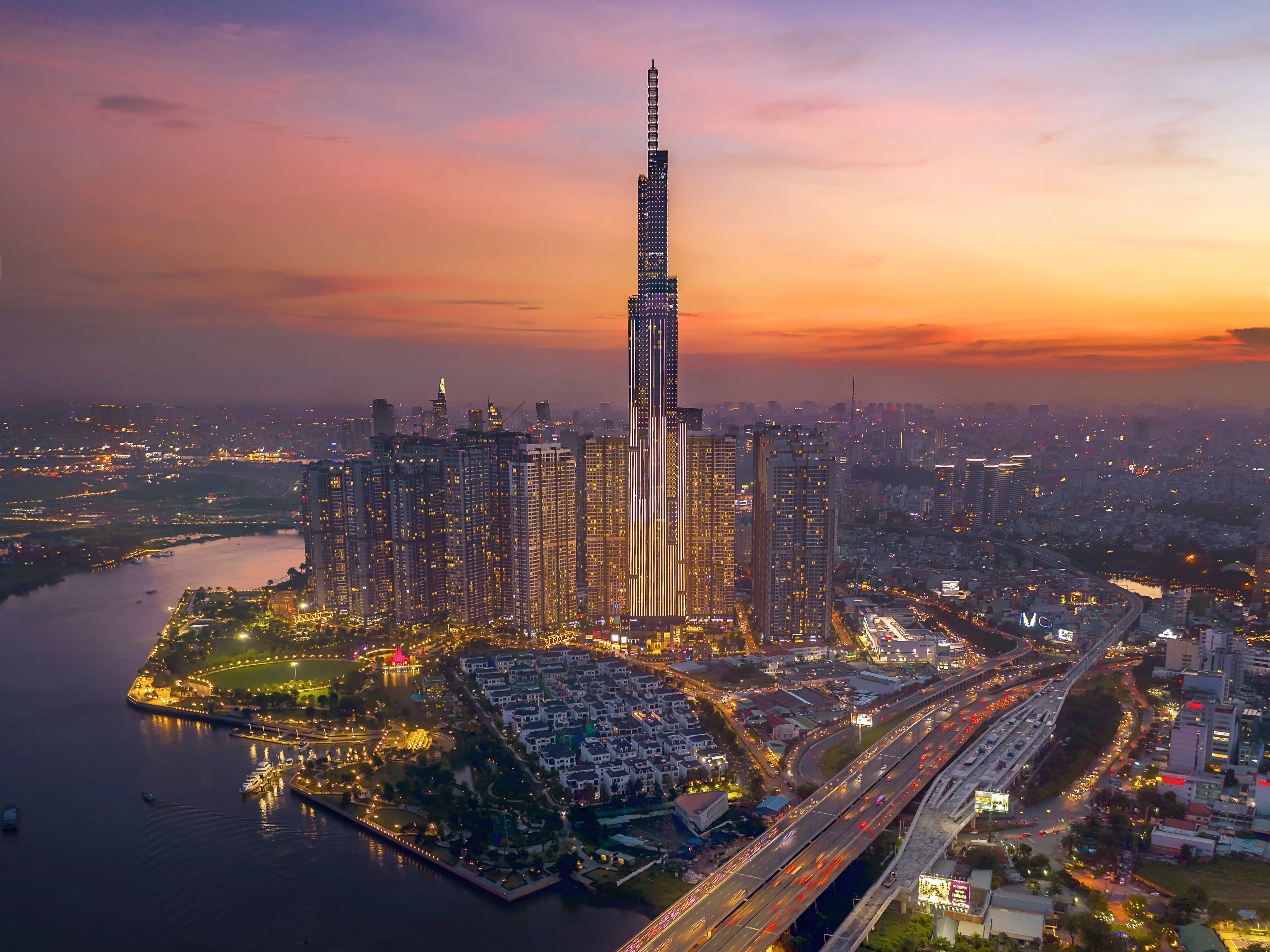
Ho Chi Minh City — Saigon to almost everyone who lives there — is Vietnam's largest city and its commercial engine, a metropolis of some 13 million where French colonial boulevards run beneath mirrored towers. The War Remnants Museum and the preserved Reunification Palace, frozen at the moment North Vietnamese tanks crashed its gates in April 1975, make the American War comprehensible from the Vietnamese side. The Ben Thanh Market, trading since 1914, is the best introduction to southern food culture, while the canals and floating markets of the surrounding Mekong Delta reward a day beyond the centre.
Must-see attractions across Vietnam
From coast to capital, here are the places worth building a Vietnam itinerary around — and the kind of detail a guide fills in on site.
What do visitors need to know about Vietnam?
Finding a Guide
- Vietnam National Administration of Tourism (VNAT)-licensed guides — official certification requires language examinations and history training; always ask to see the guide's national tourism licence card
- GetYourGuide, Viator, and Klook — connect visitors with verified local guides; filter by language, specialty (food, history, cycling), and departure city
- Hoi An's Ancient Town ticket office — runs official walking tours that include the combined 5-site entrance ticket (120,000 VND)
- Local tour operators — Hanoi, Hoi An, and Ho Chi Minh City all have excellent independent operators offering street food tours, cycling day trips, and cooking classes
Typical Costs
| Tour Type | Price Range |
|---|---|
| Group walking tour (3 hrs) | 200,000–400,000 VND ($8–16 USD) per person |
| Private half-day guide (4 hrs) | 600,000–1,200,000 VND ($24–48 USD) |
| Private full-day guide (8 hrs) | 1,000,000–2,000,000 VND ($40–80 USD) |
| Food tour specialist | 400,000–800,000 VND ($16–32 USD) per person |
| Cycling day trip with guide | 500,000–900,000 VND ($20–36 USD) per person |
Getting Around the Country
Vietnam's three regions lie hundreds of kilometres apart, so plan the long hops before the local detail:
- Domestic flights — Vietnam Airlines, VietJet, and Bamboo Airways connect Hanoi, Da Nang, and Ho Chi Minh City in about two hours, often for less than $50; the fastest way to link north, centre, and south
- The Reunification Express — the 1,726 km railway between Hanoi and Saigon is one of Asia's great train journeys, and the Hai Van Pass stretch north of Da Nang is spectacular
- Da Nang International Airport — the gateway to Hoi An, a 45-minute road transfer south along the coast
- Sleeper buses — inexpensive overnight coaches link almost every city, though comfort and driving standards vary
- Grab — the region's ride-hailing app gives fixed, metered prices for motorbikes and cars within every major city
Must-See Experiences
- Hoan Kiem Lake & Ngoc Son Temple — Hanoi's spiritual heart and best morning walk
- Temple of Literature — Vietnam's oldest university and a masterpiece of traditional architecture
- Hoa Lo Prison — essential for understanding Vietnam's colonial and wartime history
- Hoi An Ancient Town — 845 historical buildings preserved in a living, breathing UNESCO site
- Japanese Covered Bridge — Vietnam's most iconic bridge and a symbol of Hoi An's mercantile past
- Hoi An Central Market — the freshest, most flavourful morning market in central Vietnam
- War Remnants Museum — Saigon's unflinching record of the American War from the Vietnamese perspective
Tips for Visitors
- Book ahead — Hoi An lantern festival nights (14th of lunar month) require accommodation booked 4–8 weeks in advance
- Dress codes — temples and communal houses require covered shoulders and knees; guides carry spare scarves
- Tipping — not culturally mandatory but deeply appreciated; 50,000–100,000 VND ($2–4) for group tours, 10–15% for private guides
- Currency — carry Vietnamese Dong (VND) in small bills; markets and street food stalls rarely accept cards or foreign currency
- Bargaining — expected in markets, not in fixed-price restaurants or shops with posted prices; guides help navigate the distinction
- Traffic — crossing Vietnamese streets follows no Western logic; a guide's hand on your arm the first time is invaluable
- Scams — shoe-shiners, cyclo drivers, and unofficial "guides" target foreigners in Old Quarter areas; VNAT-licensed guides help you avoid them
Frequently Asked Questions
What is the best time of year to visit Vietnam?
Vietnam's climate varies dramatically from north to south, making a single answer impossible. October through April is the safest window for the whole country — the north experiences its cool, dry autumn and spring, while central Vietnam (Hoi An, Hue) enjoys its dry season from February onwards. Hanoi is at its most beautiful in October–November (autumn colours, mild temperatures of 20–25°C) and March–April (spring blossoms). Hoi An is best from February through July, before the October–November monsoon rains flood the ancient town. Avoid July–August in Hanoi and the north — peak rainy season brings typhoons and oppressive humidity.
How much does a tour guide cost in Vietnam?
Vietnam offers outstanding value for guided experiences. In Hanoi, a three-hour walking tour of the Old Quarter and Hoan Kiem Lake costs 200,000–400,000 VND ($8–16 USD) per person for a group tour. Private half-day guides run 600,000–1,200,000 VND ($24–48 USD) for up to four people. In Hoi An, a walking tour of the Ancient Town with a local guide costs 300,000–600,000 VND ($12–24 USD) per person. In Ho Chi Minh City, free tip-based walking tours cover the colonial centre, while a private half-day guide to the War Remnants Museum and Reunification Palace runs $40–80 USD. Specialist food, history, or cycling guides command 800,000–1,500,000 VND ($32–60 USD) for a half day.
Do I need a visa to visit Vietnam?
Vietnam introduced an e-visa system available to citizens of most countries, granting a 90-day single or multiple-entry stay for $25 USD, applied for online at evisa.xuatnhapcanh.gov.vn. Citizens of several countries — including South Korea, Japan, and most Western European nations — qualify for visa-free stays of 30–45 days depending on nationality. Overstaying your visa carries significant fines; a knowledgeable guide can advise on extensions and help navigate bureaucratic requirements.
How do I travel between Vietnam's major cities?
Vietnam is long and narrow, so most travellers combine domestic flights with shorter overland hops. Vietnam Airlines, VietJet, and Bamboo Airways link Hanoi, Da Nang (the gateway to Hoi An, 45 minutes away), and Ho Chi Minh City in about two hours, often for under $50. The Reunification Express railway runs the full 1,726 km between Hanoi and Saigon; the coastal stretch over the Hai Van Pass near Da Nang is one of the world's most scenic rail journeys. Overnight sleeper buses are the budget option between most cities, and within each city the Grab app provides metered motorbike and car rides.
Is Vietnamese street food safe to eat?
Vietnamese street food is generally very safe, and skipping it means missing the heart of the country's culture. The busiest stalls turn over ingredients fastest, so follow the crowds — a queue of locals is the best hygiene guarantee. Eat food that is cooked to order and served hot, such as pho, bun cha, and banh mi; be more cautious with pre-cut fruit, ice from unknown sources, and raw herbs if your stomach is sensitive. Drink bottled or filtered water rather than tap water. A local food guide knows which vendors have perfected a single dish over generations and steers you toward the safest, best stalls.
What is Tet, and should I travel during it?
Tet Nguyen Dan, the Vietnamese Lunar New Year, falls in late January or February and is the most important festival of the year. For roughly a week the whole country returns to its home villages: many shops, restaurants, and family-run guesthouses close, transport is fully booked, and prices rise. The trade-off is atmosphere — flower markets, kumquat trees, dragon dances, and family altars laden with offerings fill the days beforehand. If you visit during Tet, book transport and accommodation weeks ahead and expect a quieter, more domestic Vietnam; if you would rather have every attraction and eatery open, avoid the week itself and arrive just before the decorations go up.