

Overview
When General James Oglethorpe founded Savannah in February 1733, he laid out the colony using a revolutionary concept: a repeating grid of public squares, each surrounded by residential and civic lots, designed to create communal gathering spaces within every neighborhood. Over the next century, the plan expanded to include 24 squares, of which 22 survive today. Each square functions as a small park — shaded by ancient live oaks draped in Spanish moss, centered on a monument or fountain, and bordered by some of the finest 18th- and 19th-century architecture in the United States. Walking through them in sequence feels like moving through a series of elegant green rooms, each with its own character and stories. The Oglethorpe Plan, as historians call it, was far ahead of its time. While other colonial cities grew organically around harbors and roads, Savannah was designed from day one as a city of public spaces. Urban planners still study the model, which anticipated the "walkable city" movement by nearly three centuries. The squares served practical purposes beyond aesthetics: they functioned as military mustering grounds, open-air markets, places of worship, and social gathering spaces where the strict class hierarchies of colonial Georgia relaxed slightly. Today they continue to serve as the living rooms of their neighborhoods, filled with locals reading on benches, SCAD students sketching, and visitors absorbing the atmosphere that John Berendt captured in Midnight in the Garden of Good and Evil.
Activities
Without a guide, a walk through Savannah's squares is a lovely stroll beneath beautiful trees. With a guide, each square opens into a chapter of American history. Johnson Square, the first and largest, was the site of Oglethorpe's original camp and later held the tomb of Revolutionary War hero Nathanael Greene. Chippewa Square -- where Forrest Gump sat on his park bench in the film -- honors the soldiers of the Battle of Chippewa in the War of 1812. Monterey Square, the most famous of all, centers on the Pulaski Monument and is flanked by the Mercer-Williams House where the events of Midnight in the Garden of Good and Evil took place.
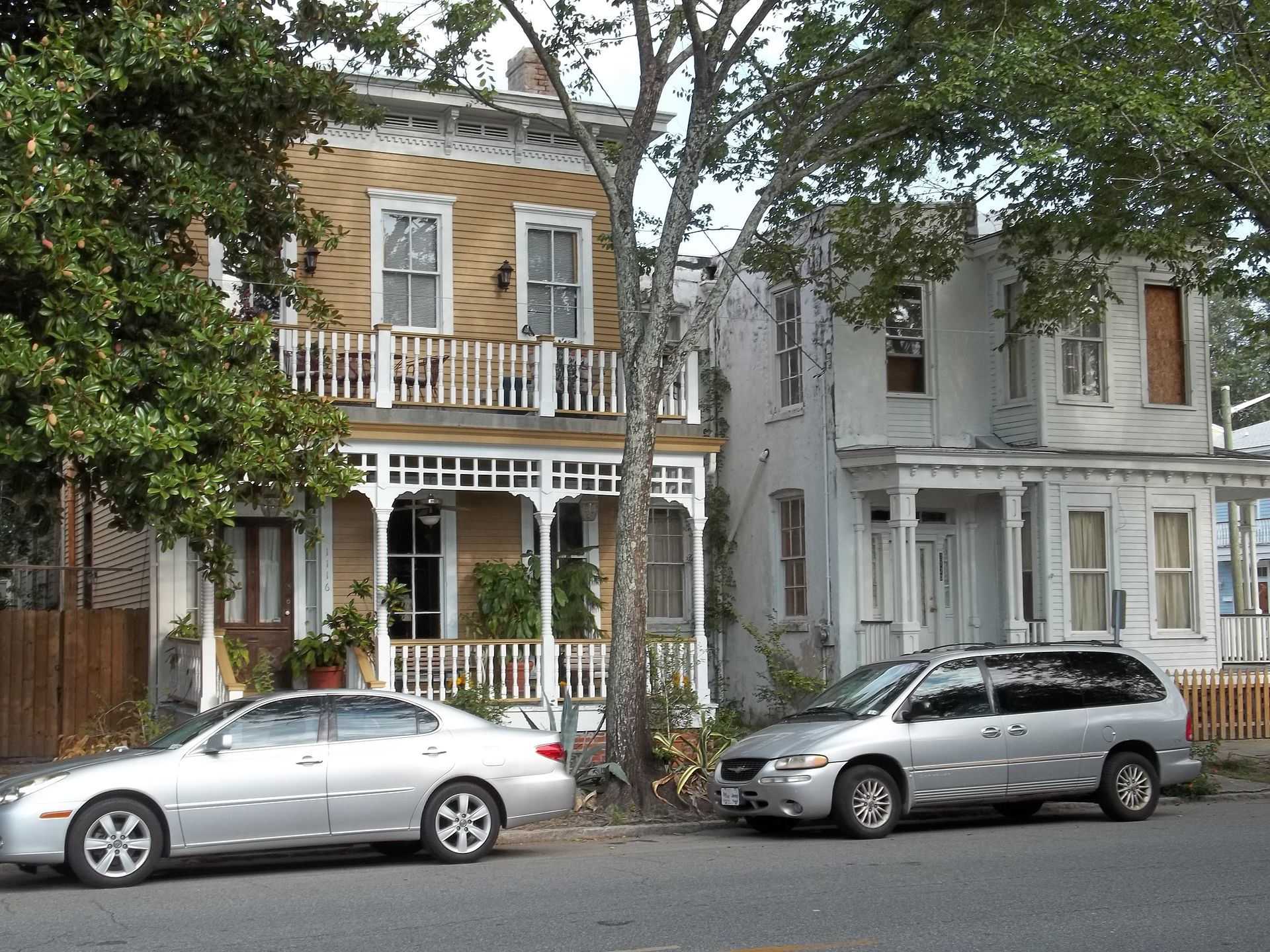
Architecture varies dramatically from square to square, and guides decode the styles and the social ambitions they represented. The Regency townhouses on Reynolds Square reflect early 19th-century British taste; the Gothic Revival synagogue on Monterey Square (Congregation Mickve Israel, the third-oldest Jewish congregation in America) carries its own remarkable story; the Italianate mansions on Madison Square express the cotton wealth of the 1850s. Each architectural choice connects to a specific era, a specific family, and specific economic forces that shaped Savannah. Guides who know these connections transform buildings into biographies.
Seasonal Highlights
Johnson Square (1733): Savannah's first and largest square, containing the grave of Revolutionary War General Nathanael Greene beneath a marble monument. Chippewa Square: Home to the bench location from Forrest Gump (the bench is now in the Savannah History Museum) and the Savannah Theatre, one of the oldest continuously operating theaters in America. Monterey Square: The Mercer-Williams House, made famous by Midnight in the Garden of Good and Evil, faces the Pulaski Monument honoring the Polish hero of the American Revolution.
Madison Square: Centered on a statue of Sergeant William Jasper, this square is flanked by the Green-Meldrim House where General Sherman stayed after capturing Savannah in 1864. Ellis Square: The newest restoration, rebuilt in 2010 after a parking garage was demolished, now featuring fountains, a chess pavilion, and access to the City Market. Lafayette Square: Named for the Marquis de Lafayette, this square faces the Cathedral of St. John the Baptist and the childhood home of Flannery O'Connor.
When to Visit
Golden hour (morning): Between 7:00 and 9:00 AM, the low sun filters through the live oak canopy and casts long shadows across the monuments, creating the most atmospheric light for photography. Weekday mornings: Fewer tour groups and trolleys allow you to appreciate the quiet residential character that defines the squares between 9 and 11 AM.
Spring (March-May): Azaleas bloom beneath the oaks and the squares reach peak beauty, though this is also peak tourist season. Autumn (October-November): The heat breaks, the light softens, and the squares take on a golden quality that feels unmistakably Southern Gothic.
Admission and Costs
Walking the squares: Completely free at all times. Every square is public parkland. Group walking tour: $20-35 per person, covering 8-12 squares over 1.5-2 hours with historical narration. Private architecture tour: $175-325 for up to 6 people, with detailed analysis of the Georgian, Federal, Regency, and Gothic Revival buildings surrounding each square.
Trolley hop-on hop-off: $30-40 per person for a full day, with narrated routes passing most major squares. Less intimate than walking but covers more ground. Midnight literary tour: $25-45 per person, tracing the real-life locations from John Berendt's book through the squares where the story unfolded.
Tips for Visitors
Pace yourself: With 22 squares, trying to see them all in one walk is exhausting. Focus on 8-10 in a guided tour and return independently to explore the rest at your own pace. Carry water: Even in mild weather, walking between squares adds up. In summer, dehydration is a real concern during any extended outdoor tour.
Watch for tree roots: The magnificent live oaks have pushed up sidewalks and paths throughout the Historic District. Uneven footing is the norm, not the exception. Visit Forsyth Park afterward: The park at the southern edge of the Historic District provides a natural endpoint to a squares walk, with its iconic fountain and shaded benches for recovery. Download a squares map: The Savannah Visitor Center provides free maps marking all 22 squares. Having one helps you navigate and ensures you don't accidentally skip gems that lie one block off the main tourist path. Evening atmosphere: The squares take on an entirely different character after dark, when gas-style lanterns (now electric) light the paths and the Spanish moss casts dramatic shadows -- consider a twilight or ghost tour for this perspective.