
.jpg)
Overview
Bonaventure Cemetery occupies a 100-acre bluff overlooking the Wilmington River about three miles east of Savannah's Historic District. The site began as a plantation in 1762, became a private cemetery in 1846, and was purchased by the city in 1907. Its fame exploded in 1994 when John Berendt's Midnight in the Garden of Good and Evil used a photograph of the Bird Girl sculpture (originally in Bonaventure, now in the Telfair Academy downtown) on its cover, transforming the cemetery into a literary pilgrimage site. But Bonaventure was extraordinary long before the book. Its avenues of ancient live oaks — some over 250 years old — create natural cathedral naves of moss-draped branches, and the Victorian funerary art scattered among them ranges from weeping angels to elaborate family monuments that rival anything in the great European cemeteries. Bonaventure is both a working cemetery and a de facto sculpture garden. Many of Savannah's most prominent historical figures are buried here: songwriter Johnny Mercer, whose lyrics for "Moon River" were inspired by the marshes visible from this bluff; poet Conrad Aiken, whose parents' murder-suicide in a house on Oglethorpe Square haunted his writing; and generations of the Lowcountry families who shaped Georgia history. The cemetery's location — on a bluff where the tidal marshes extend to the horizon and the river curves out of sight — gives it an atmosphere that is simultaneously melancholy and serene. Bird calls, river breezes, and the occasional splash of a jumping mullet provide the only soundtrack. Visitors who come expecting a macabre experience often find instead a place of profound beauty and peace.
Historical Significance
A self-guided visit to Bonaventure is undeniably moving — the atmosphere alone, with its avenues of oaks and river views, transcends most cemetery experiences. But without a guide, the graves remain unmarked stones and the statuary is beautiful but mute. Guides bring the cemetery to life (an irony not lost on them) by connecting each monument to a human story. They explain why Johnny Mercer's bench-style gravestone faces the river he wrote about, recount Conrad Aiken's tragic childhood in a way that illuminates his literary legacy, and describe the yellow fever epidemics that filled entire family plots within weeks. The cemetery's landscape design carries its own narrative. Bonaventure was created during the rural cemetery movement of the mid-19th century, when American cities began establishing garden-like burial grounds at the edges of town — both to improve public health and to create parklike spaces where the living could stroll among the dead. Guides who understand this movement explain why Bonaventure's paths curve rather than follow straight lines, why the vegetation was allowed to grow romantically untamed rather than manicured, and how the bluff location was chosen for its beauty as much as its practicality. The cemetery is also a living ecology — guides point out the great blue herons, ospreys, and painted buntings that inhabit the grounds, and explain the role of the tidal marsh ecosystem visible from the river bluff.
Architecture
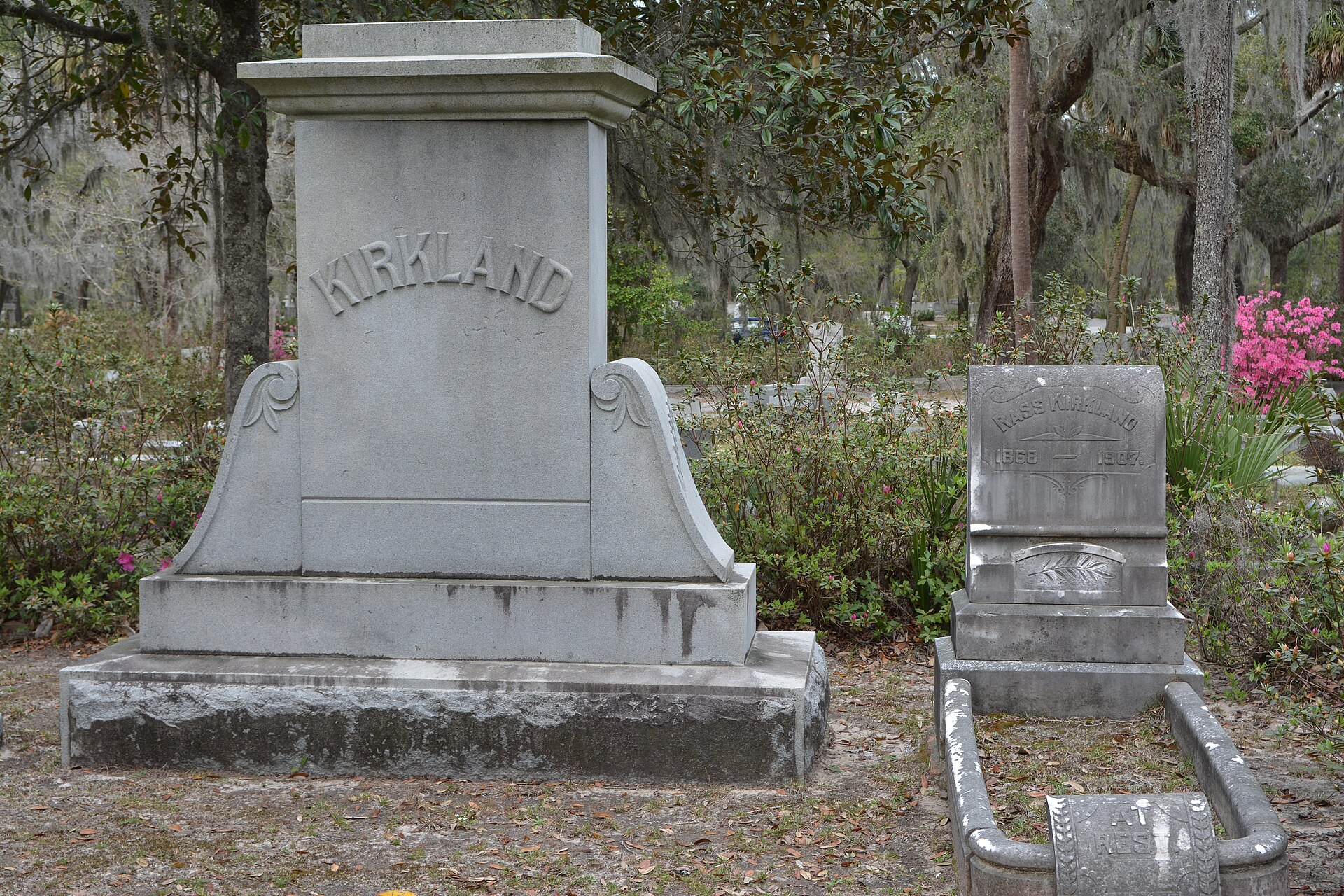
Johnny Mercer's grave: The songwriter behind "Moon River," "That Old Black Magic," and dozens of other standards is buried beneath a bench facing the river that inspired his most famous lyrics. Conrad Aiken's grave: The Pulitzer Prize-winning poet's bench gravestone is inscribed "Cosmos Mariner, Destination Unknown" — visitors leave coins and small bottles of spirits as tribute. Little Gracie Watson statue: The life-size marble portrait of a six-year-old girl who died in 1889 is Bonaventure's most visited sculpture, surrounded by toys and trinkets left by visitors. Oak allées: The cemetery's main avenues are lined by live oaks estimated at 200-250 years old, their massive branches creating moss-draped tunnels unlike anything in the Historic District. Wilmington River overlook: The eastern edge of the cemetery opens onto a bluff with views across the tidal marshes and river — a vista of pristine Lowcountry landscape. Victorian funerary art: Draped urns, broken columns, sleeping infants, and weeping figures represent the full vocabulary of 19th-century memorial sculpture
When to Visit
Gates open: Daily from 8:00 AM to 5:00 PM. Visitors must exit by closing time. Best time to visit: Morning light, particularly between 8 and 10 AM, creates the most atmospheric photographs as sunlight filters through the oak canopy and catches the moss in golden tones. Guided tours: Most group tours depart between 10:00 AM and 2:00 PM. The Bonaventure Historical Society offers tours on select Saturdays. Seasonal note: Spring brings azaleas and dogwood blooms among the graves. Autumn afternoons offer the softest light and the most comfortable walking temperatures
Admission and Costs
Cemetery admission: Free. Bonaventure is a public city cemetery with no entrance fee. Bonaventure Historical Society tour: Suggested donation of $10-15 per person for volunteer-led Saturday morning tours. Private guided tour: $150-275 for up to 6 people, typically 1.5-2 hours covering the cemetery's history, notable graves, and landscape design. Combination "Midnight" tour: $200-350 for private groups, tracing the real-life locations from Berendt's book including Bonaventure and sites in the Historic District
Tips for Visitors
Transportation: Bonaventure is 3 miles east of the Historic District, too far for comfortable walking. Drive, take a rideshare, or join a tour that includes transport. Wear comfortable shoes: The cemetery paths are a mix of gravel, packed dirt, and grass. Some areas are soft and uneven, especially after rain. Insect repellent: The riverside location means mosquitoes are present, particularly in warm months and near the marsh-facing bluff. Respect the space: Bonaventure is an active cemetery where families visit loved ones. Keep voices low, stay on paths, do not touch or climb on monuments, and never remove items left at gravesites. Bring a map: The cemetery is large and not all graves are easy to find. The visitor kiosk near the entrance has maps marking notable sites, and most guides provide their own. The Bird Girl is downtown: The famous sculpture from the Midnight book cover was moved to the Telfair Academy museum in 1997 to protect it from the visitor traffic the book generated