

Overview
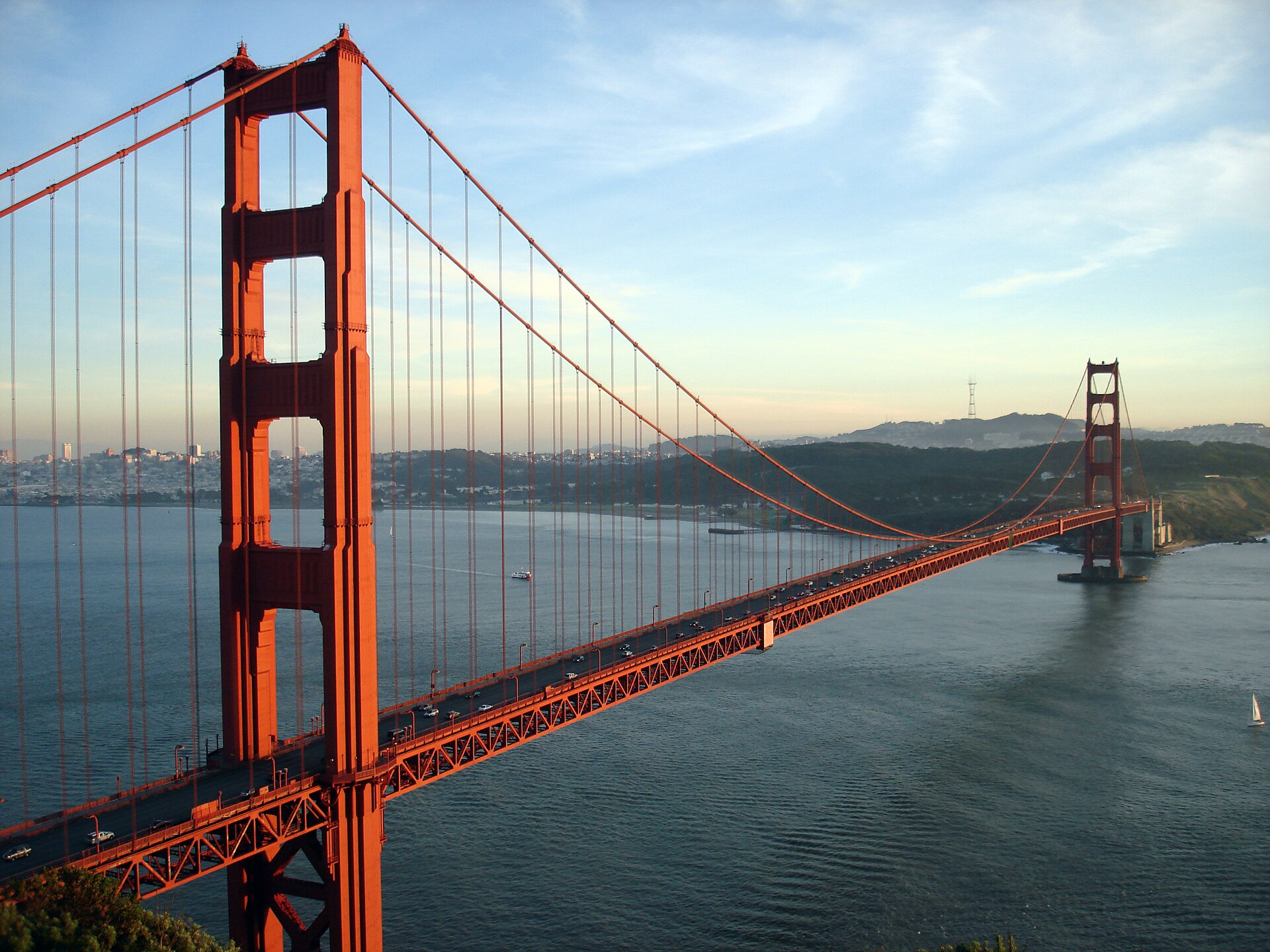
The Golden Gate Bridge, completed in 1937, spans 1.7 miles across the Golden Gate strait connecting San Francisco to Marin County. Once the world's longest suspension bridge, its 746-foot towers and distinctive International Orange color make it one of the most photographed bridges globally. Over 10 million visitors annually walk, bike, or drive across this Art Deco engineering marvel.
Observation Points
Standing on this bridge without understanding how it was built is like reading the last page of a novel without knowing the story. During the Great Depression, engineers defied skeptics who claimed no structure could withstand the strait's punishing winds and currents. Your guide reveals how innovative safety nets beneath the deck saved nineteen workers who became known as the "Halfway to Hell Club," and why chief engineer Joseph Strauss insisted on precautions considered extravagant for the era.
Photography opportunities abound, but knowing where to stand and when makes all the difference. Guides time walks to catch fog rolling through the towers or golden light hitting the cables at sunset. They position you at Battery Spencer on the Marin side for the classic postcard angle, then lead you to lesser-known spots that even longtime San Francisco residents miss. Many tours continue to Fort Point beneath the south tower or across to the waterfront town of Sausalito, weaving together the bridge with its surrounding landscapes. For another perspective on San Francisco's engineering heritage, consider pairing this visit with a ride on the historic cable cars.
Engineering Facts
Chief engineer Joseph Strauss oversaw construction during the Great Depression, completing the bridge in 1937 after four years of work. The bridge's main span stretches 4,200 feet between its two 746-foot towers, and the total length including approaches is 1.7 miles. The cables contain 80,000 miles of wire, enough to circle the equator three times.
Innovative safety nets beneath the deck saved 19 workers who became known as the "Halfway to Hell Club," a precaution considered extravagant for the era. The bridge's distinctive International Orange color was chosen by consulting architect Irving Morrow because it complements the natural surroundings and enhances visibility in fog. The bridge sways up to 27 feet in high winds, a deliberate engineering feature that prevents structural failure.
When to Visit
Pedestrian hours: 5:00 AM - 9:00 PM (6:30 PM in winter). Best for photos: Morning (9-11 AM) when fog often clears. Sunset views: 1 hour before sunset from Battery Spencer (Marin side). Least foggy: September-October, though fog adds dramatic atmosphere. Least crowded: Weekday mornings before 10 AM
Admission and Costs
Walking the bridge: Free. Bike rental: $35-45 for full day (includes helmet, lock, map). Electric bike rental: $55-75 for full day (easier for hills). Guided bike tours: $60-90 per person (includes bike, guide, 3-4 hours). Walking tours: $40-60 per person (2-3 hours with historian). Private guide: $300-450 for up to 6 people
Tips for Visitors
Dress in layers: Can be 15°F colder and extremely windy on bridge vs. downtown. Wind warning: 30+ mph winds common - secure hats, be careful with phones. Fog factor: Bridge may be completely obscured - check webcams before going. East vs. west sidewalk: East (bay side) for pedestrians weekdays, both sides weekends. Bike-friendly: West (ocean side) designated for bikes, separate from walkers. Photography gear: Wide-angle lens ideal, tripod challenging due to wind. Restroom locations: South end visitor center, Vista Point north end