

Overview
The included audio tour scratches only the surface of what happened on this island. Experienced guides bring stories that never made it onto those recordings, from the psychological warfare between guards and inmates to the engineering feats that transformed a Civil War-era military fort into an escape-proof penitentiary. They walk you through the mechanics of the 1962 Morris-Anglin escape, pointing out the exact ventilation shaft the men crawled through and explaining why investigators still debate whether they survived the frigid bay waters. Beyond the prison years, Alcatraz holds chapters of history that most visitors overlook entirely. From 1969 to 1971, Native American activists occupied the island for nineteen months in a protest that reshaped federal policy toward indigenous peoples. Your guide can show you the graffiti they left behind and explain how their occupation connects to the broader civil rights movements of that era. If you plan to explore more of the waterfront after your ferry returns, consider visiting Fisherman's Wharf or catching the view from Pier 39.
Historical Significance
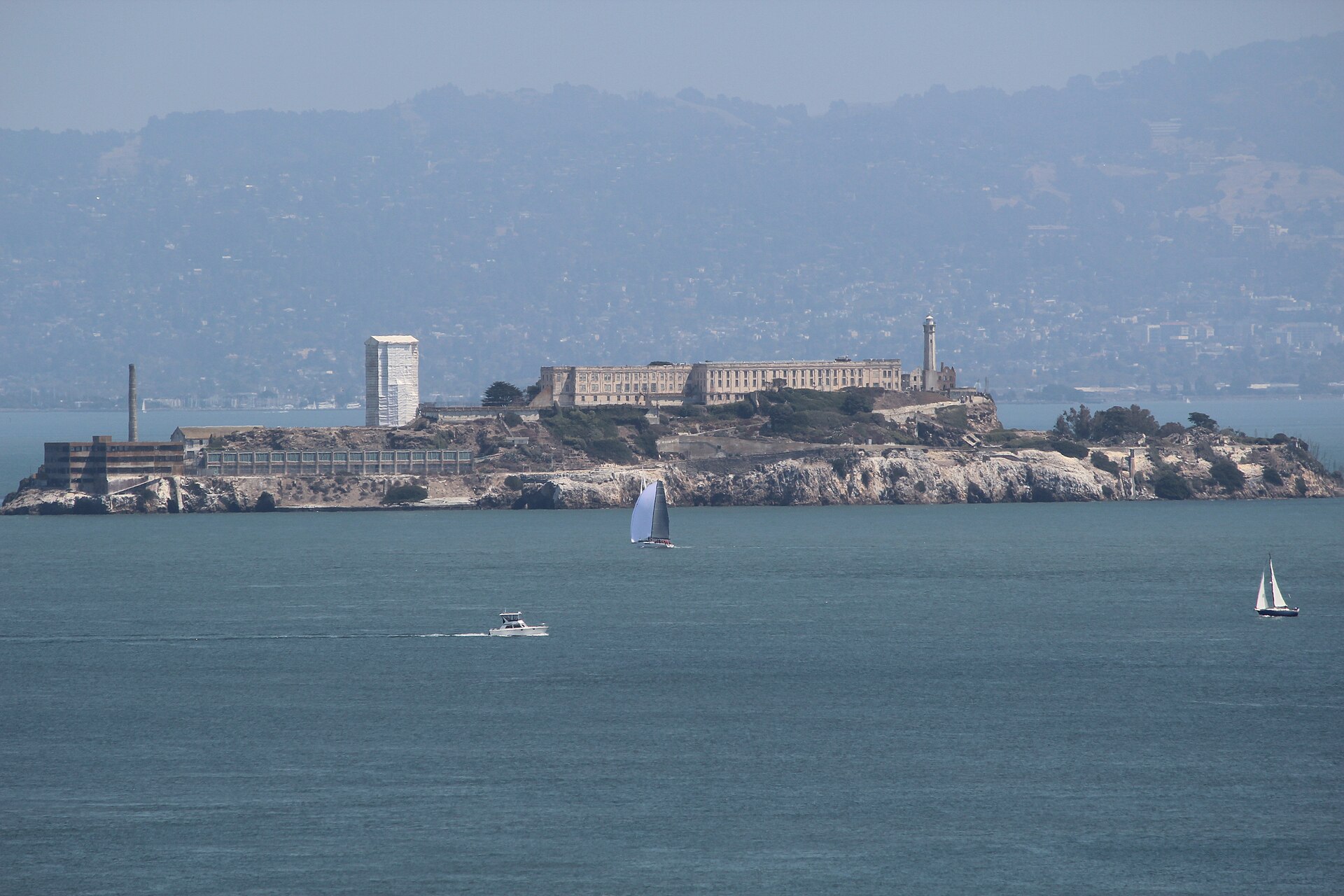
Alcatraz Island, a federal penitentiary from 1934-1963, held America's most dangerous criminals including Al Capone, George "Machine Gun" Kelly, and Robert Stroud. Located 1.25 miles offshore in frigid San Francisco Bay waters, the prison claimed no successful escapes despite 36 attempts. Today, 1.7 million visitors annually tour the cell house, learning about infamous inmates, daily life, and the 1962 escape that inspired Clint Eastwood's "Escape from Alcatraz."
Architecture
Cell house audio tour: Included with admission, narrated by former inmates and guards -- one of the best self-guided audio experiences in any US national park. Escape exhibit: the 1962 Morris-Anglin breakout reconstructed with dummy heads and spoon-dug tunnel. Solitary confinement: D-Block cells where the worst offenders spent 23 hours per day in total darkness. Dining hall: Surprisingly good food (the prison's deliberate strategy to prevent riots). Al Capone's cell: B-Block cell 181 (marked on the tour route). Recreation yard: Views of San Francisco that tormented inmates. Model Industries Building: Separate building with exhibits on the 1969-1971 Native American occupation.
When to Visit
Ferry schedule: Multiple departures 9:00 AM - 6:30 PM (check season). Island visit time: 2.5-3 hours typical, last return ferry around 6:30 PM. Best time: First morning ferry (9:00 AM) for smallest crowds. Night tours: Thursday-Monday evenings (limited, book months ahead). Least crowded: Weekdays in winter (November-March)
Admission and Costs
Day tour (ferry + audio): $41 adults, $39 seniors, $25 children. Night tour: $50 adults, $48 seniors, $30 children. Behind the Scenes tour: $100+ (includes restricted areas). Guided specialty tours: $70-90 per person (expert narration beyond audio). Private group tours: $500-800 for up to 12 people
Tips for Visitors
Book early: Tickets sell out 2-8 weeks ahead depending on season. Dress warmly: The island is significantly colder and windier than the city. Wear layers: The cell house is cold, outdoor areas can be sunny. Comfortable shoes: Steep hills, uneven surfaces, lots of standing. No food service: Bring snacks and water, or eat before departure at Pier 33. Ferry departs on time: Arrive 30 minutes early for check-in and security. Photography allowed: All areas permit photos, bring a charged camera.