

Overview
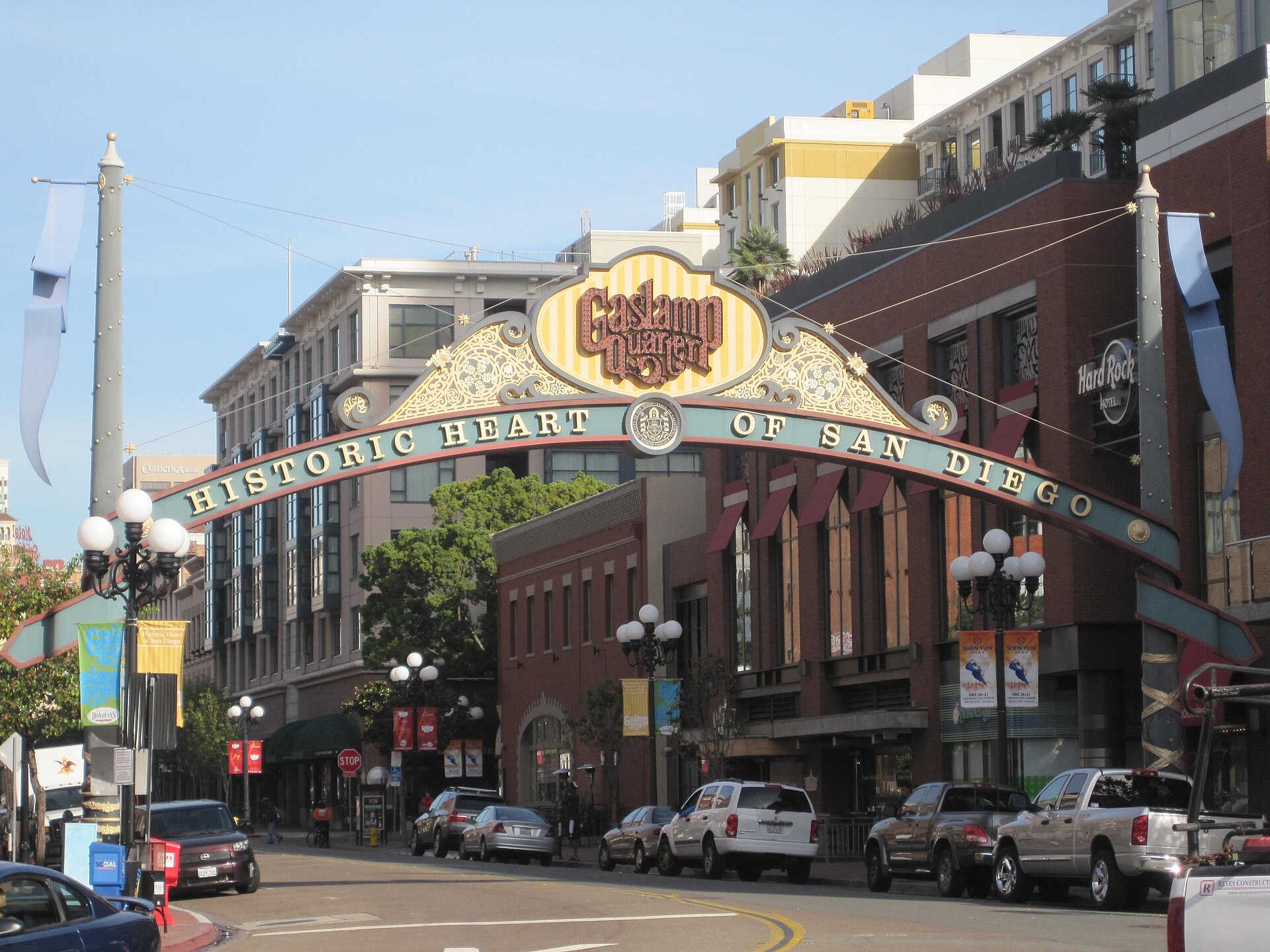
Stretching across 16 blocks of downtown San Diego, the Gaslamp Quarter is the vibrant heart of the city's dining, nightlife, and Victorian-era architecture. The neighborhood traces its roots to Alonzo Horton, who purchased 960 acres of bayfront land in 1867 and platted the streets that still define the district today. By the 1880s, grand Victorian buildings lined Fifth Avenue, though by the early twentieth century the area had fallen into disrepair as the notorious Stingaree red-light district. A concerted restoration effort beginning in the 1980s transformed those same blocks into one of the most walkable entertainment districts in Southern California, with more than 200 restaurants, rooftop bars, boutiques, and live-music venues packed into its compact grid. Walk south from the USS Midway Museum on the waterfront to enter the Quarter, or see how it fits into the wider United States guide.
Local Life
The polished restaurants and boutiques lining Fifth Avenue today bear little resemblance to the Gaslamp's notorious past. Before its restoration, these same blocks formed the Stingaree district, a rough waterfront zone where brothels operated behind respectable facades, opium dens served sailors off merchant ships, and gambling halls ran through the night. Guides peel back the gentrified surface to reveal this colorful history, pointing out buildings where working girls once leaned from windows and alleys where deals both legal and otherwise shaped the fortunes of a young city. Architecturally, the Gaslamp rewards informed observation. Italianate cornices, Queen Anne turrets, and Romanesque Revival arched windows appear on building after building, yet most visitors stroll past without recognizing the styles or understanding why Victorian-era merchants chose them. Guides decode these visual languages, explaining how architectural choices signaled prosperity and permanence to potential customers in an era when San Diego was competing with Los Angeles for regional dominance. Beyond history, the Gaslamp functions as San Diego's premier dining and nightlife district, and navigating its 200-plus establishments without local knowledge often leads to tourist traps with inflated prices and forgettable food. Guides know which rooftop bars waive cover charges, which chef's counters accept walk-ins for their tasting menus, and which speakeasies hide behind unmarked doors. During July's Comic-Con, when the neighborhood transforms into a costumed spectacle, their navigation skills prove especially valuable for anyone hoping to experience the chaos without getting overwhelmed.
Walking Routes
William Heath Davis House: The oldest wooden structure in downtown San Diego, now a museum with frontier-era exhibits. Rooftop bars: Altitude Sky Lounge and Float offer cocktails with panoramic views of the harbor and Coronado Bridge. Live music venues: The Casbah and Humphreys by the Bay host acts ranging from jazz to indie rock nightly. Taco stands and fine dining side by side: The district compresses Michelin-quality kitchens and casual street food into a few walkable blocks. Boutique shopping: Independent stores selling surf wear, local art, and vintage finds line Fifth Avenue. Haunted spots: The Horton Grand Hotel is famously haunted; ghost tours pass through its lobby most evenings. Balboa Theatre: A restored 1924 movie palace that now hosts concerts, comedy, and community events
When to Visit
District access: Public streets open 24/7, free to walk at any hour. Restaurant peak: Friday and Saturday evenings from 7 PM onward; reservations essential at popular spots. Best for walking tours: Late morning (10 AM-noon) when streets are quiet and architecture photographs well. Nightlife: Bars and clubs open until 2 AM, with rooftop lounges offering skyline views after dark. Farmers market: Every Thursday 3-7 PM along the main boulevard, a local tradition worth planning around
Admission and Costs
Walking the district: Free - no admission to enter the quarter. Guided history walk: $25-40 per person, 2 hours covering architecture and frontier stories. Food and cocktail tour: $75-110 per person, 3 hours with tastings at 4-5 stops. Ghost and haunted pub tour: $30-45 per person, evening walks through the district's darker history. Private group tour: $250-400 for up to 8 people with customized route and restaurant reservations
Tips for Visitors
Parking is limited: Use the Horton Plaza garage or arrive via the Green or Blue trolley lines to avoid circling for spots. Dress code varies: Casual dress works for daytime; some upscale bars and clubs enforce dress codes after 9 PM. Weekend noise: Friday and Saturday nights can be loud and crowded; weeknights offer a more relaxed dining atmosphere. Walkability: The entire 16-block district is flat and pedestrian-friendly, making it one of San Diego's easiest areas to explore on foot. Safety: Well-lit and heavily patrolled, though side streets east of the district can be less inviting late at night. Combine with the waterfront: The USS Midway Museum and Seaport Village are a 10-minute walk west