

Overview
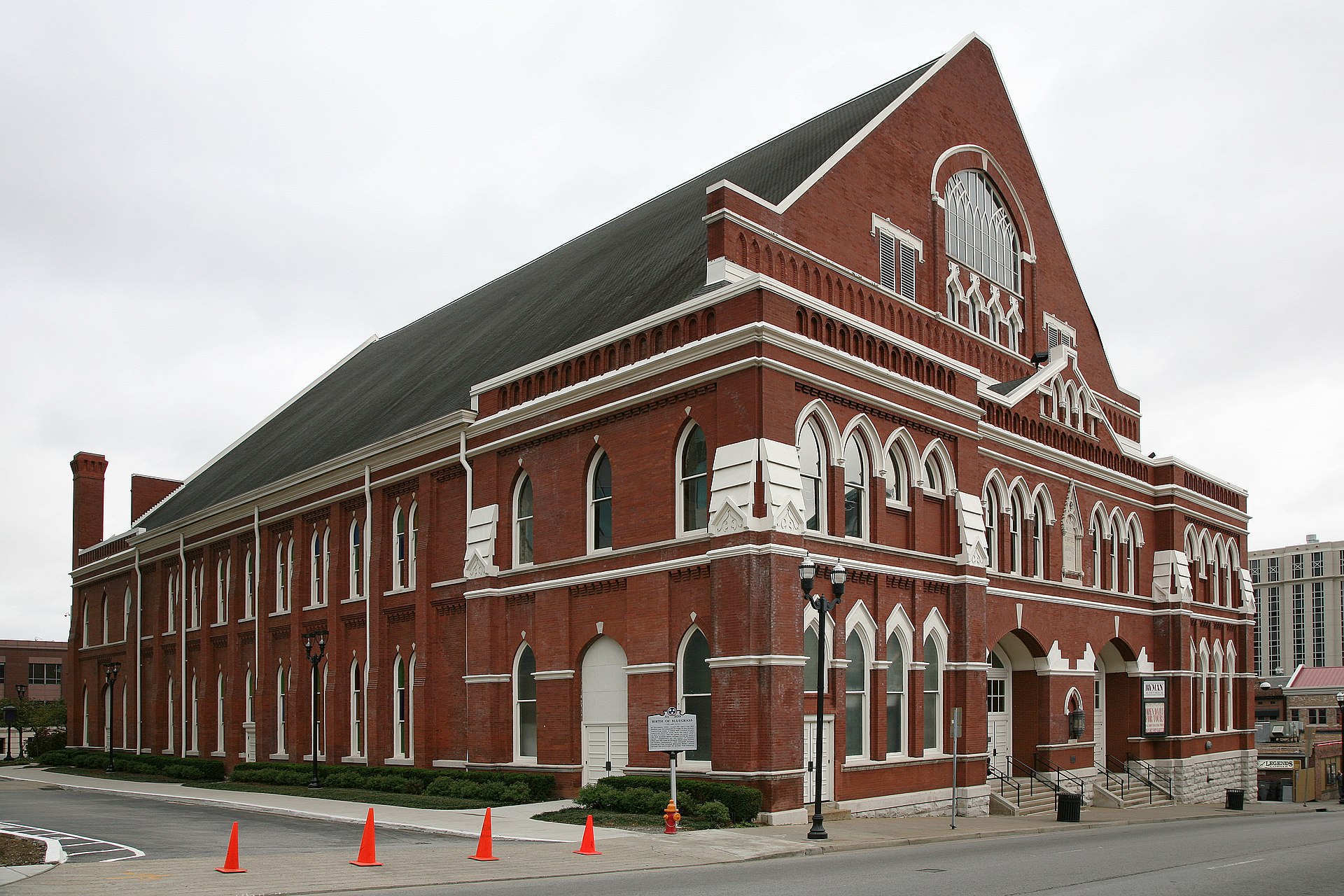
The Ryman Auditorium is the most sacred venue in Nashville and arguably in all of American music. Built in 1892 by riverboat captain Thomas Ryman as the Union Gospel Tabernacle - a revival hall inspired by the preaching of Sam Jones - the building's church-like architecture with its soaring stained-glass windows, wooden pews, and near-perfect acoustics accidentally created one of the finest performance halls in the United States. The Ryman served as the home of the Grand Ole Opry from 1943 to 1974, the years that transformed country music from regional folk tradition into a national industry. Hank Williams, Patsy Cline, Johnny Cash, Loretta Lynn, and virtually every significant country artist of the 20th century performed on its stage. After the Opry relocated in 1974, the Ryman fell into disrepair and nearly faced demolition before a passionate preservation campaign and a $8.5 million renovation in 1994 restored it as a premier concert venue. Today, artists across all genres consider the Ryman the most coveted stage in Nashville, and a six-foot circle of the original stage oak was transplanted to the Grand Ole Opry House to maintain the connection.
Seating Guide
The main floor pews offer the most intimate connection to the stage, with the center sections (rows A-M) providing the clearest sight lines. The balcony, added in 1901, offers a broader perspective of the full stage and excellent acoustics thanks to the room's curved ceiling.
The venue seats 2,362 in its original wooden church pews. For concerts, the main floor center is the most coveted seating. The balcony's front rows provide excellent views with slightly more legroom than the main floor pews. Note that the original wooden pews have no cushions and limited legroom.
Events Schedule
Stand on stage: During the daytime tour, visitors can actually step onto the Ryman stage and look out at the empty pews - stand where Hank, Patsy, and Johnny stood and feel the weight of the room. Stained-glass windows: The original Gothic Revival stained glass fills the auditorium with colored light - a reminder that this building was designed for salvation, not entertainment. The back alley: Walk through the backstage door into the alley that connects directly to Tootsies Orchid Lounge - Opry performers used this shortcut between sets, and songwriters waited here hoping to pitch tunes. Historic photographs: Gallery exhibits throughout the building display photographs from every era, including rare shots from the Opry years and the dark period when the building sat abandoned. The original pews: These curved wooden church pews have supported audiences since 1892 - sit in them and notice how the curve naturally directs your attention toward the stage. Attend a show: If your schedule allows, seeing a live performance at the Ryman is transformative - the intimacy of 2,362 seats and the legendary acoustics create something no arena or stadium can replicate
When to Visit
Self-guided tours: Daily 9:00 AM - 4:00 PM (last entry at 3:30 PM). Backstage tours: Available daily with extended access to dressing rooms and backstage areas. Live shows: Most evenings at 7:30 PM or 8:00 PM (check the calendar for schedule). Best tour time: Morning visits (9:00-10:30 AM) offer the quietest experience and the most time to absorb the acoustics and atmosphere. Tour availability: Tours may be limited or unavailable on show days - call ahead or check the website if visiting during concert season
Admission and Costs
Tour before a show: If you're attending an evening concert, do the daytime self-guided tour first - experiencing the empty, sunlit auditorium heightens the impact of hearing it filled with music that night. The pews are wooden: Original pews have no cushions and limited legroom; for shows, consider bringing a small cushion (allowed) if you're tall or plan to stay for the full performance. No air conditioning originally: The building now has climate control, but during the Opry years (1943-1974), summer shows were stifling - guides love telling stories about the heat and the fans provided by local funeral homes (free advertising on each fan). Walk from Broadway: The Ryman is steps behind Lower Broadway on 5th Avenue North - combine a Ryman tour with a Broadway honky-tonk crawl in the same afternoon. Concert tickets sell fast: The Ryman is Nashville's most desired venue for artists and audiences alike; popular shows sell out within hours of announcement. Photo opportunity: The best exterior photograph is from directly across 5th Avenue, capturing the red brick Gothic facade and the distinctive arched windows
Tips for Visitors
Riverboat captain Thomas Ryman built this structure as a tabernacle for revival meetings, never imagining it would become the most sacred venue in American music. The high arched ceiling, Gothic stained-glass windows, and curved wooden pews were designed to direct souls toward salvation, yet they accidentally created acoustics so precise that professional sound engineers still study them today. Guides explain this architectural alchemy, demonstrating how a whisper from the stage reaches the back row and why the room's proportions produce a warmth of sound that recording studios have spent decades trying to replicate. Ghost stories cling to these walls as persistently as the memories of performances past. Thomas Ryman's deathbed conversion, the event that inspired his construction of this temple, sets an appropriately dramatic opening act for tales of Hank Williams' restless spirit reportedly seen pacing the backstage corridors. Between the legends, guides recreate specific moments from the Opry years: the feuds between competing stars, the breakthrough performances that launched careers, the radio broadcasts that carried Nashville sound into living rooms across America between 1943 and 1974. Understanding what happened on this stage is essential to understanding the city itself. When the Opry relocated in 1974, the Ryman sat empty and decaying, targeted for demolition by developers who saw only a crumbling old building. The preservation battle that saved it stretched through the 1970s and 1980s, a story of cultural advocacy that guides tell with genuine passion because they understand what was nearly lost. The backstage experience completes the visit, taking visitors into dressing rooms where artists prepared for career-defining performances, through corridors where nervous newcomers paced before their debuts, and to the stage door that opens onto the alley connecting directly to Tootsies Orchid Lounge on Broadway. Songwriters once waited in that alley, hoping to pitch tunes to Opry stars between sets. The connection to the Grand Ole Opry House, where a six-foot circle of the Ryman's original stage floor now rests at center stage, completes a pilgrimage through country music's most hallowed spaces.