

Overview
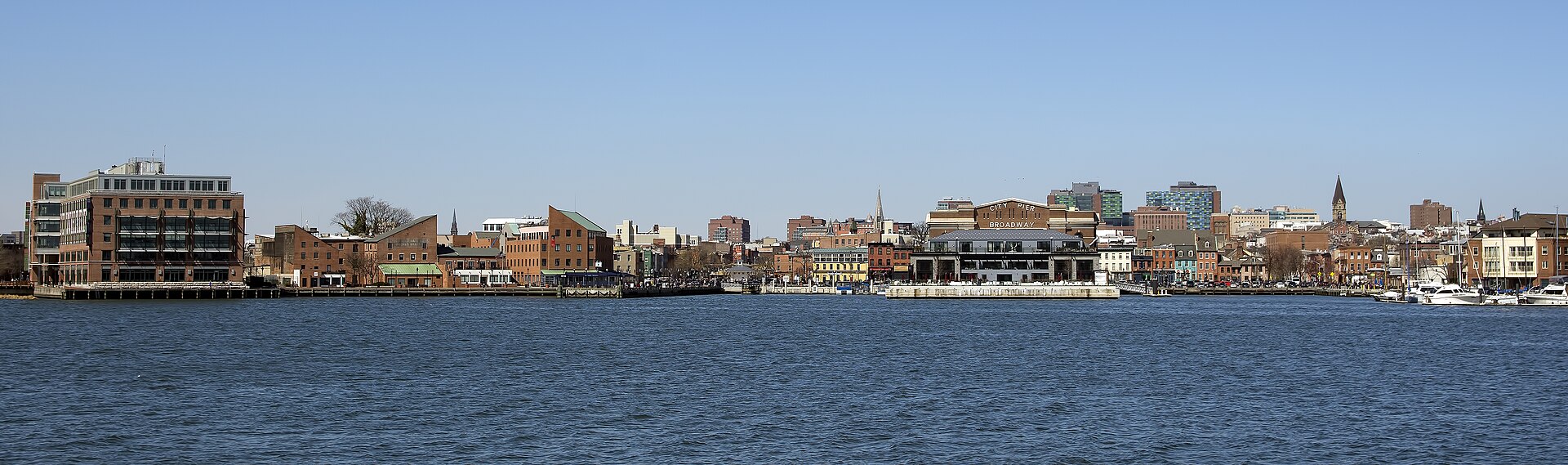
Fells Point is where Baltimore began, and where the city's soul still lives loudest. Founded in 1726 by William Fell, a Quaker shipbuilder from Lancashire, this narrow peninsula jutting into the harbor became the center of Baltimore's shipbuilding industry and one of the busiest ports on the East Coast. The Baltimore Clipper, the fast sailing vessel that helped win the War of 1812, was designed and built in Fells Point shipyards. Frederick Douglass labored in these same yards as an enslaved caulker before his escape north. Immigrants from Poland, Germany, and Ireland crowded into the row houses lining its grid of cobblestone streets, and their descendants still drink in some of the same pubs today. In the 1960s, the city planned to demolish Fells Point entirely to build an interstate highway through its heart. Residents fought back with one of the first successful highway revolts in American history, saving the neighborhood and sparking a preservation movement that gradually restored its 18th- and 19th-century buildings. Today, Fells Point is Baltimore's most walkable and atmospheric neighborhood. The cobblestones remain, Belgian granite blocks originally carried as ballast in European merchant ships. Thames Street runs along the waterfront, lined with restaurants, raw bars, and live music venues. The Horse You Came In On Saloon, established in 1775, holds a credible claim as the oldest continuously operating saloon in America, and was allegedly the last place Edgar Allan Poe was seen alive. A guided walk through Fells Point is a walk through the American port city experience itself.
Local Life
Four centuries of history overlap in Fells Point's compact streets, but without narration the neighborhood registers simply as old and charming rather than historically significant. Guides animate the buildings as characters in an unfolding drama: colonial shipbuilders launching the *Baltimore Clippers* that would outrun British frigates, immigrant families crowding into row houses while working the canneries and docks, and activists organizing the highway revolt of the 1960s that saved the neighborhood from demolition. Every block contains layers that reward informed exploration. Frederick Douglass's story intersects with Fells Point in ways that guides trace through specific locations. The great abolitionist worked in these shipyards as an enslaved caulker, learned to read in these streets, and eventually escaped from this harbor that both imprisoned and liberated him. Following his footsteps with a guide who knows the documentary record transforms abstract history into physical geography. Similarly, the Baltimore Clipper ships built here achieved legendary speed, and guides connect the neighborhood's shipyard heritage to the naval war of 1812 and the bombardment of Fort McHenry that produced the national anthem. Evening brings different expertise. Fells Point's age and rough maritime past have generated some of Baltimore's most persistent ghost stories, and guides weave documented history with local legend through genuinely atmospheric settings where centuries-old buildings creak and shadows gather in narrow alleys. Food-focused guides offer different navigation, knowing which raw bar shucks the freshest Chesapeake oysters, where to find authentic lump crab cakes made without filler, and which unassuming storefronts hide the neighborhood's best meals.
Walking Routes
🍺 The Horse You Came In On Saloon: Continuously operating since 1775, this Thames Street bar claims to be Edgar Allan Poe's final stop and remains one of the oldest saloons in America. ⛵ Cobblestone streets: The Belgian granite block streets, originally shipped as ballast in merchant vessels, give Fells Point its distinctive texture. Thames Street and Broadway still feature original stones. 🍲 Thames Street oysters: Pull up a stool at any waterfront raw bar and order Chesapeake Bay oysters on the half shell with Old Bay seasoning and a local craft beer. 🏛 Robert Long House: Built in 1765, the oldest surviving urban residence in Baltimore, now a museum operated by the Preservation Society. 🚢 Broadway Pier: Walk to the end of the pier for harbor views and watch tugboats and water taxis navigate the same waters where clipper ships once docked. 🌆 Waterfront promenade: The paved path along the harbor connects Fells Point to the Inner Harbor via a scenic 20-minute walk through Harbor East. 🎵 Live music scene: Cat's Eye Pub, The Whistling Oyster, and other venues host live blues, rock, and folk music most nights, carrying on the neighborhood's tradition of waterfront entertainment
When to Visit
Neighborhood access: Open at all times; Fells Point is a living neighborhood, not a gated attraction. Best for walking: Late morning through early afternoon on weekdays, when the cobblestone streets are quiet and shops are open without evening crowds. Evening character: Fells Point comes alive after dark, particularly Thursday through Saturday, when the bars and restaurants along Broadway and Thames Street fill with locals. Saturday market: The Fells Point Farmers' Market operates on Saturday mornings from April through December under the Broadway Square canopy. Ghost tours: Evening walking tours depart from Broadway Square on Friday and Saturday nights, capitalizing on the neighborhood's centuries of hauntings and legends
Admission and Costs
Walking the neighborhood: Completely free to explore the streets, waterfront, and public squares. Guided history walks: $20-35 per person for 90-minute to 2-hour neighborhood tours covering maritime history, architecture, and local legends. Ghost tours: $25-40 per person for evening walking tours of Fells Point's most haunted locations and unsolved mysteries. Food and pub crawl tours: $60-85 per person, including tastings at 4-5 stops for oysters, crab dip, craft beer, and Baltimore staples. Private guide: $175-275 for a 2-hour custom walk tailored to your interests for up to 6 people. Water Taxi: $14 day pass connecting Fells Point to the Inner Harbor, Canton, and Federal Hill
Tips for Visitors
Wear flat shoes: The cobblestone streets are charming but murder on heels and thin-soled shoes. Sturdy flats or sneakers are essential for comfortable exploration. Street parking: Metered street parking exists but fills quickly on weekends. The closest garage is at Harbor East, a short walk west. Alternatively, water taxi from the Inner Harbor. Daytime vs. nighttime: Fells Point has two distinct personalities. Visit during the day for history, architecture, and shopping, then return after dark for the bar and music scene. Combine with Inner Harbor: Walk the waterfront promenade west through Harbor East to reach the Inner Harbor and National Aquarium in about 20 minutes. Crab season: Maryland blue crab season runs roughly from April through November. If visiting during this window, ordering steamed crabs at a Fells Point crab house is a non-negotiable Baltimore experience. Bar crawl pacing: Fells Point packs an astonishing density of bars into a few blocks. Guided pub crawls pace the experience and share the stories behind each establishment, which beats wandering at random. Sunday brunch: Several Fells Point restaurants offer popular Sunday brunch with waterfront seating, particularly along Thames Street and the Broadway pier area