
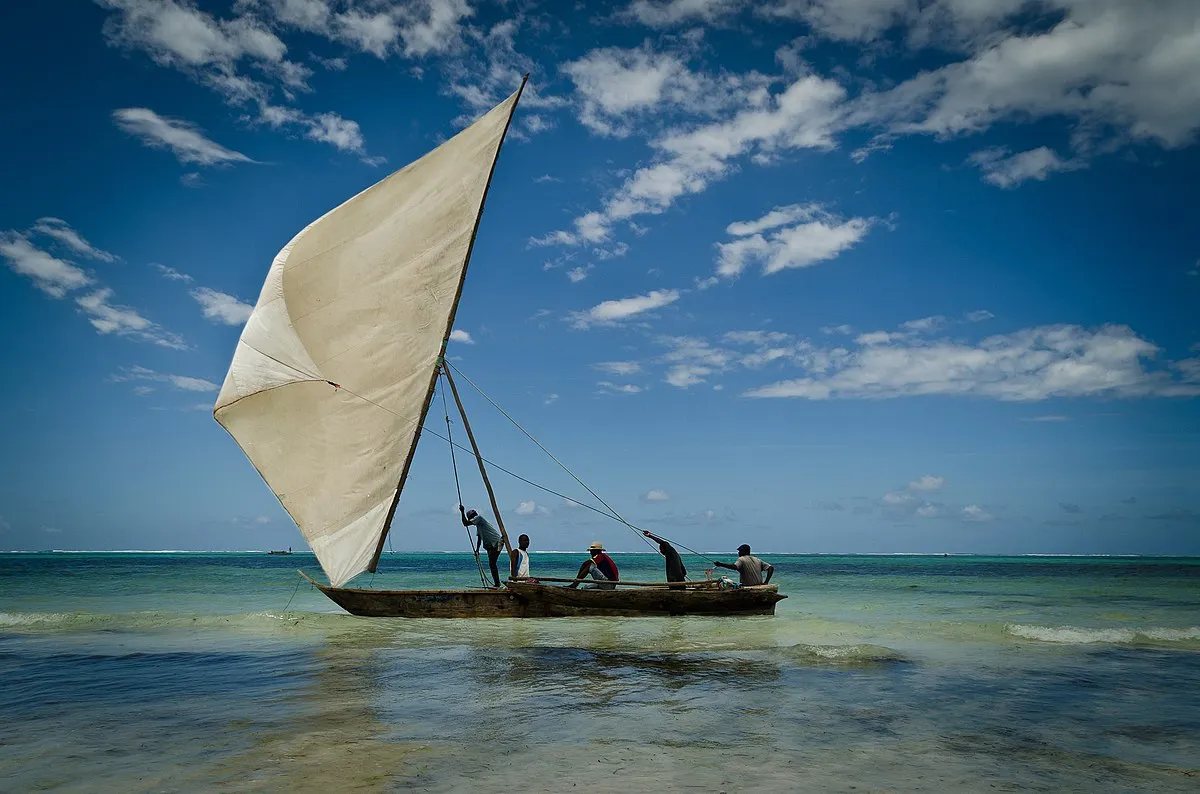
Zanzibar timeline
-
Omani rule begins
Omani power tied Zanzibar to Indian Ocean trade, cloves, and Stone Town merchants.
-
Sultan's capital
The Omani sultan shifted his court to Zanzibar, deepening the island's regional role.
-
Revolution and union
Revolution preceded union with Tanganyika, creating modern Tanzania.
-
Stone Town listed
UNESCO recognition protected the coral-stone streets and carved-door heritage.
Cited city facts
Key facts for visiting Zanzibar
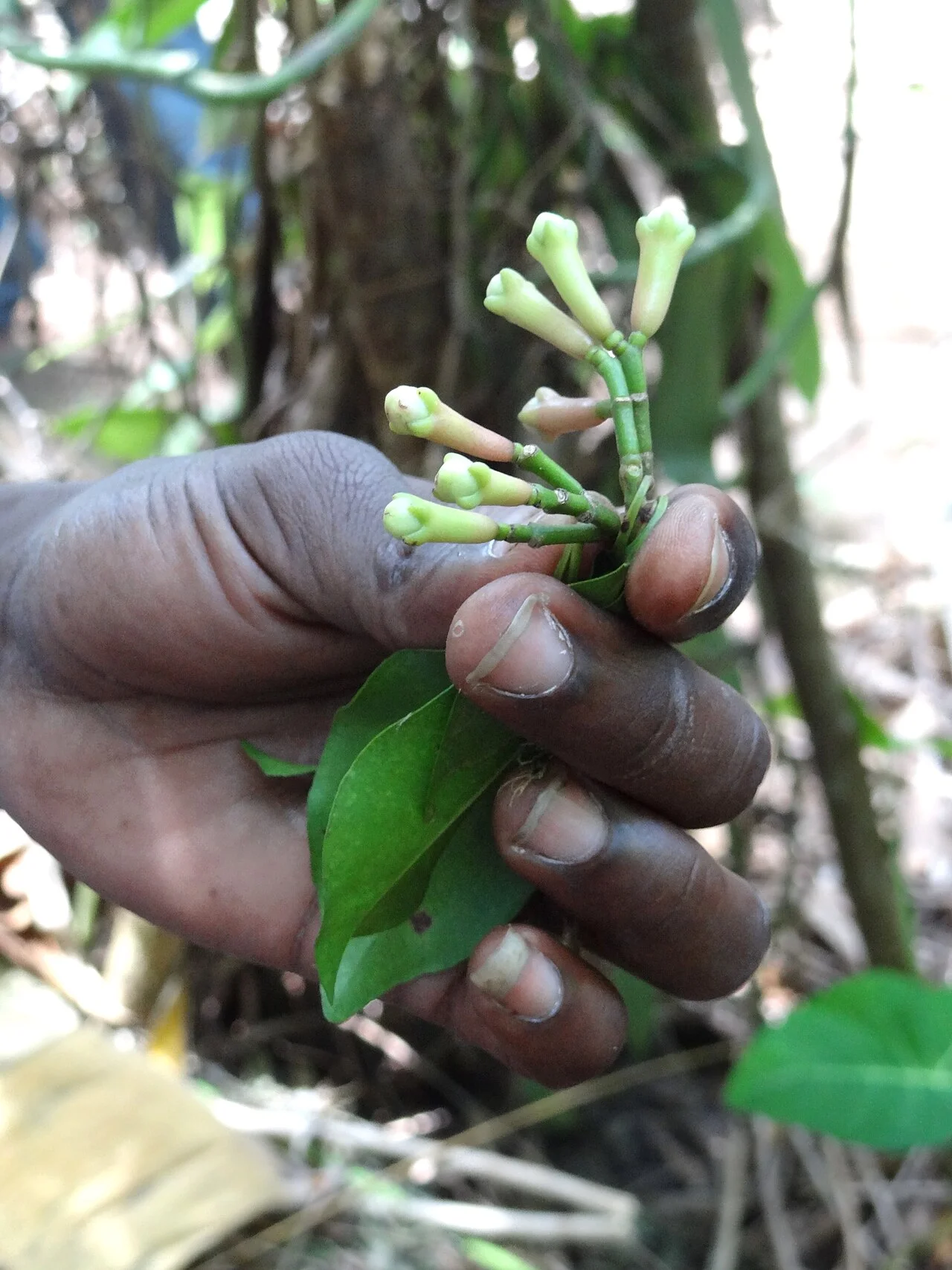
Zanzibar supplied 90% of the world's cloves in the 19th century
Under Omani Sultanate rule, the island's interior was transformed into a patchwork of clove plantations that made Zanzibar one of the wealthiest ports in the entire Indian Ocean — a dominance so complete that the word 'clove' entered English via the French clou (nail), describing the dried bud still harvested by hand on island farms today
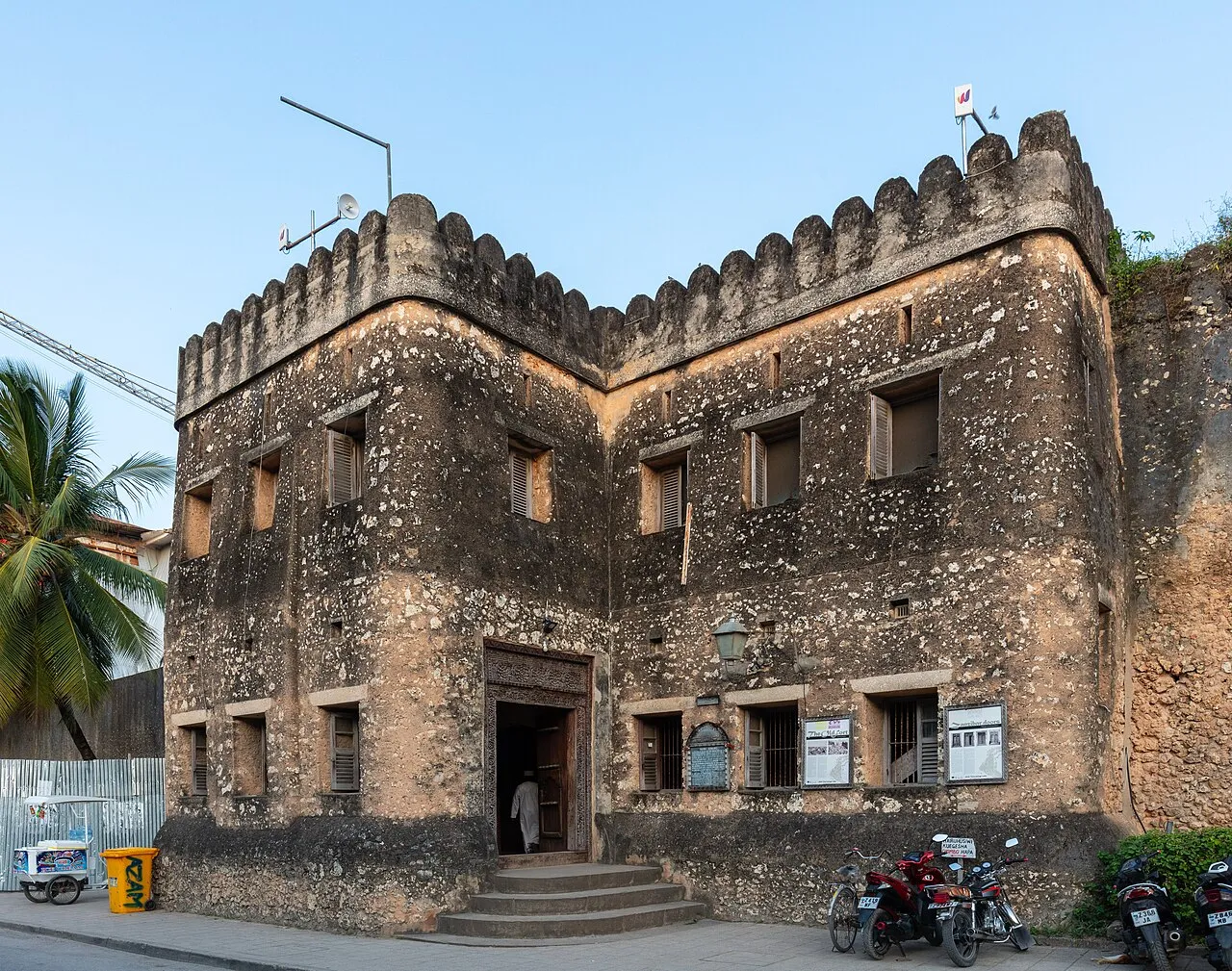
Stone Town's old city is a UNESCO World Heritage Site with over 1,700 historic buildings
The dense urban fabric of alleys, mosques, merchant houses, and carved doorways represents six centuries of overlapping Arab, Persian, Indian, Portuguese, Omani, and British influence compressed into barely two square kilometres of coral-stone architecture
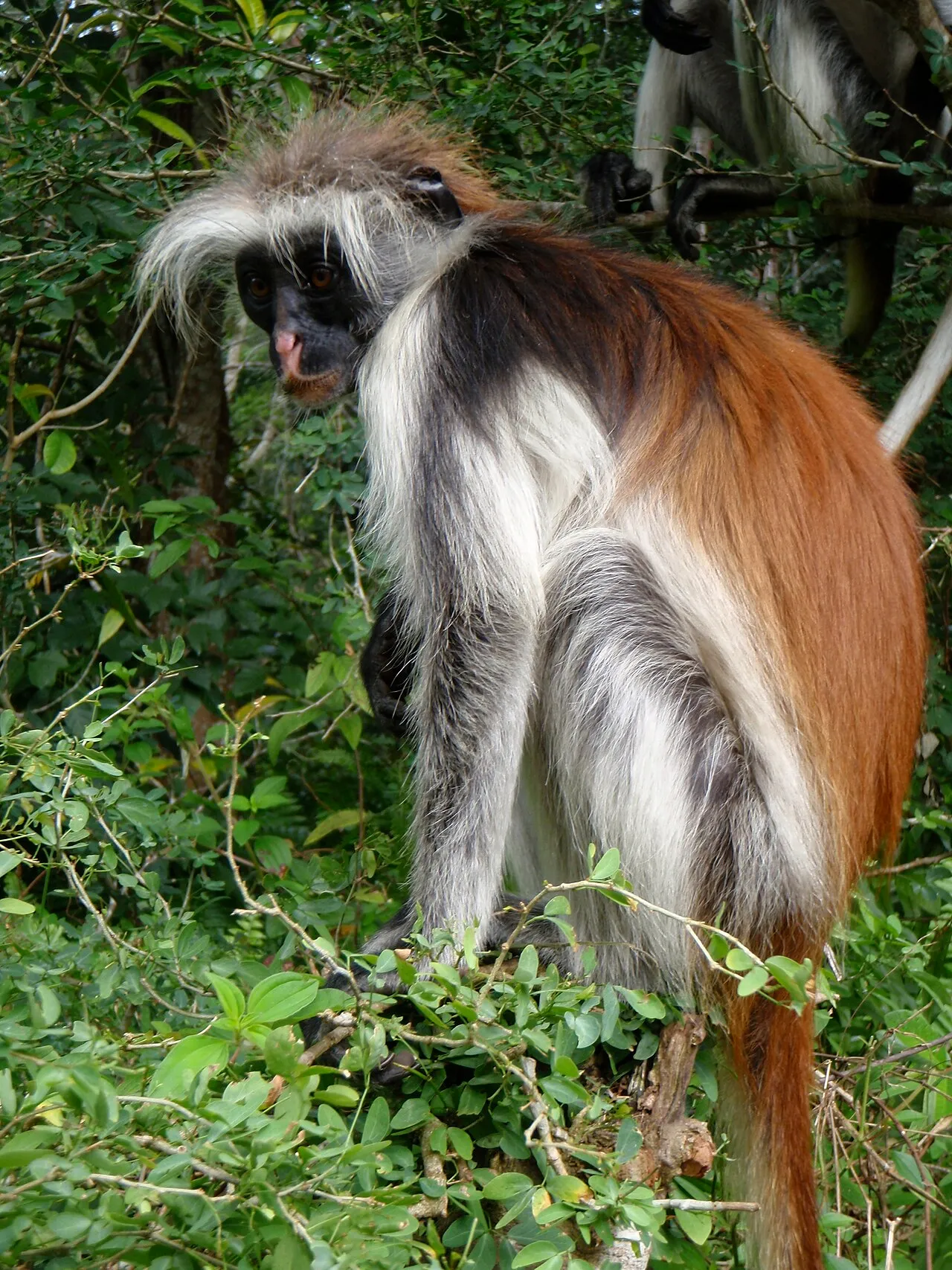
The Zanzibar red colobus monkey exists only on this island and is critically endangered
Fewer than 3,000 individuals survive in the fragmented forests of the island's interior, with Jozani Forest holding the largest concentration; habitat loss and hunting reduced the population by over 30% in the last three decades, making guided visits to Jozani a direct contribution to conservation
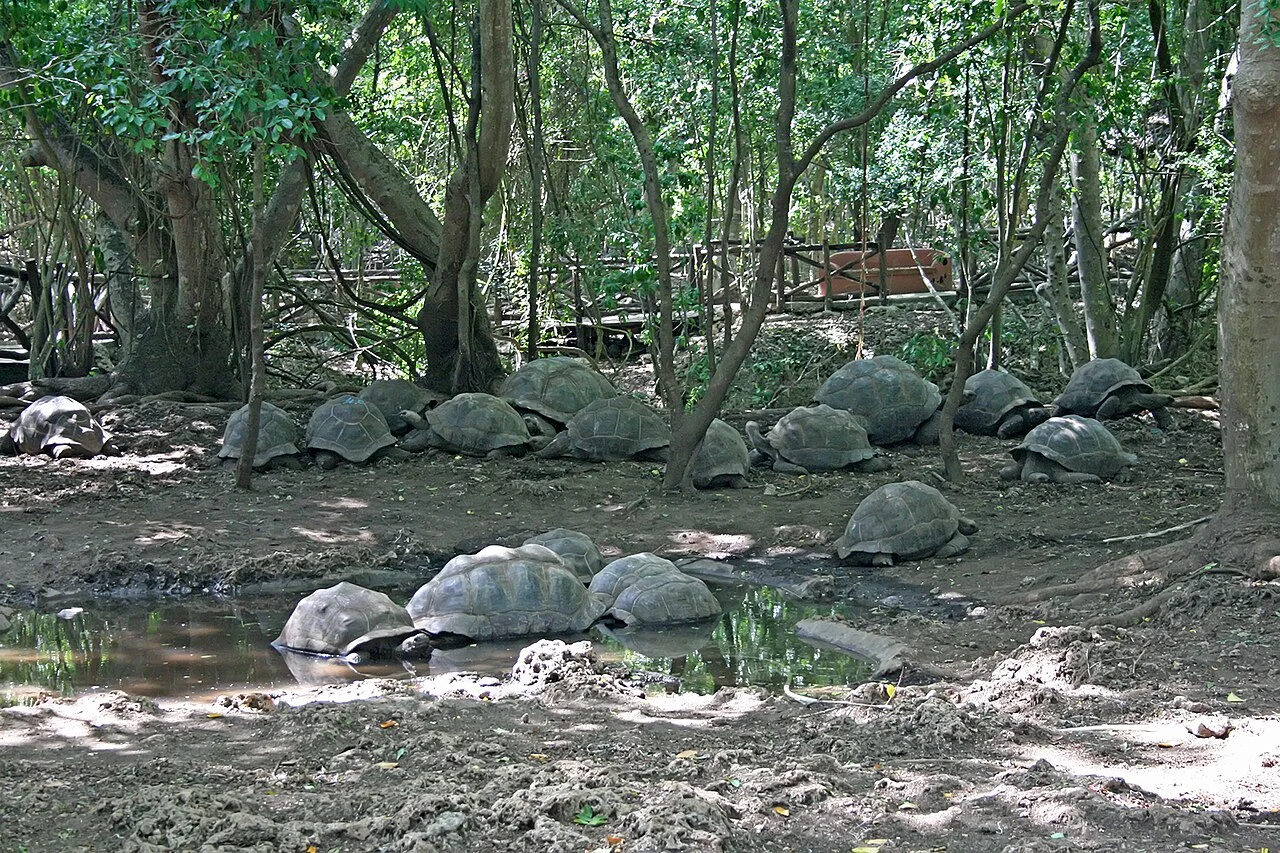
Changuu (Prison Island) hosts Aldabra giant tortoises that can live over 150 years
Originally established as a prison that never operated and later as a quarantine station, the small island received its first giant tortoises as a gift from the Seychelles in the early 1900s; some individuals alive today hatched before the First World War
Source: tour-guide.com — Free to cite with attribution
Things to see
What are the top attractions in Zanzibar?
- Stone Town — six centuries of Indian Ocean trade culture carved into coral and teakwood
- Zanzibar Spice Plantations — taste cloves, vanilla, and cardamom at the source in the island's lush interior
- Jozani Forest — spot the critically endangered Zanzibar red colobus in its only habitat on Earth
- Changuu Prison Island — snorkel above coral gardens and meet Aldabra giant tortoises over a century old
Changuu Prison Island
A colonial prison that never imprisoned anyone, now home to giant tortoises that were alive before the First World War
Jozani Forest
The only place on Earth where the endemic Zanzibar red colobus still swings through ancient forest canopy
Stone Town
A UNESCO World Heritage labyrinth where Arab, Omani, and Swahili cultures carved their histories into coral stone
Zanzibar Spice Plantations
Taste cloves, vanilla, and cardamom from the island that ruled the Indian Ocean spice trade for two centuries
Guide planning
How much does a tour guide cost in Zanzibar?
| Tour Type | Price | Details |
|---|---|---|
| Stone Town walking tour | $20–40 | Per person, 2 hours, licensed guide |
| Spice plantation tour | $25–45 | Per person, includes transport |
| Jozani Forest guide | $15–30 | Per person, plus $10 park entry |
| Prison Island boat trip | $20–35 | Per person, includes boat |
| Private full-day driver-guide | $80–130 | Up to 4 people |
| Dhow sunset cruise | $30–55 | Per person with dinner |
Season planner
When is the best time to visit Zanzibar?
June through October is Zanzibar's prime season — the south-east kaskazi trade wind keeps humidity low, seas calm enough for snorkelling Mnemba Atoll's outer reef, and the light over Stone Town's coral-stone rooftops is exceptional in the golden afternoon hours. January and February offer a reliable second dry window with calmer conditions and lower prices than peak season. Avoid April and May unless budget resorts and near-empty beaches suit your priorities — the long rains can be persistent and diving is frequently cancelled. December brings families and festive prices; book accommodation weeks ahead.
Spring
Mar-May
Summer
Jun-Aug
Autumn
Sep-Nov
Winter
Dec-Feb
Each score averages that season’s monthly ratings out of 5. The top-rated window is usually the peak season too, so read the guidance above for its trade-offs before you book.
On the ground
How do you get around Zanzibar?
Stone Town is best explored on foot — its labyrinthine alleys are impractical for vehicles and half the pleasure is getting briefly lost. Dala-dala minibuses connect Stone Town to the north and east coasts for a few hundred Tanzanian shillings per trip, departing from the Creek Road terminal. Taxis and hired scooters cover the island's main road circuit; negotiate the price before departing. Speedboats to Prison Island depart from the main Stone Town waterfront jetty and are arranged on the spot or through any guesthouse. For spice tours and Jozani, joining a group tour from Stone Town is the most economical option; private car hire costs $50–80 for a full day and allows a flexible itinerary combining both sites.
Frequently Asked Questions
What is the best time to visit Zanzibar?
The dry season from late June through October delivers the most reliable beach weather, with steady south-east trade winds keeping temperatures around 27 degrees and the humidity bearable. January and February offer a second dry window with calmer seas, ideal for snorkelling Prison Island's coral gardens and reaching the outer reefs around Mnemba Atoll. The long rains of April and May and the shorter November rains bring heavy downpours that can flood Stone Town's lower alleys and cancel diving trips — most higher-end resorts offer significant discounts during these shoulder periods.
How much does a tour guide cost in Zanzibar?
Stone Town walking tours run $20–40 per person for a two-hour guided walk with a licensed guide registered with the Zanzibar Commission for Tourism. Spice plantation tours cost $25–45 per person including transport from Stone Town. A shared day trip to Jozani Forest costs $15–30 per person on top of the $10 entrance fee. Private full-day driver-guides covering multiple sites charge $80–130 for up to four people. Prison Island speedboat trips cost $20–35 per person including the boat.
Is Zanzibar safe for tourists?
Zanzibar is generally safe and receives hundreds of thousands of visitors annually. Stone Town requires the usual urban awareness — keep valuables out of sight, avoid poorly lit alleys after dark, and use reputable accommodation-recommended guides rather than unofficial touts at the port gates. The island is predominantly Muslim and conservative; visitors should dress modestly when walking through Stone Town and away from beach resorts. Petty theft at beaches, particularly at less-frequented spots, is the most common concern.