

Overview
Vendor introductions: Guides have personal relationships with stallholders and can get you behind-the-counter tastings unavailable to walk-up visitors. Ingredient education: Learn to distinguish five varieties of Valencian rice, understand DOP labels, and pick the right saffron — knowledge you'll use long after the trip. Architectural commentary: The building itself is a work of art; guides point out the Art Nouveau ironwork, ceramic parrot weathervane, and stained glass dome you'd walk right under without noticing. Cultural context: Understand why Valencians shop daily rather than weekly, how the market hierarchy works, and the unwritten rules of vendor etiquette. Curated tastings: Instead of randomly grazing, a guide maps a logical route through the market's zones — seafood, charcuterie, cheese, produce, sweets — so nothing is missed
Food Stalls
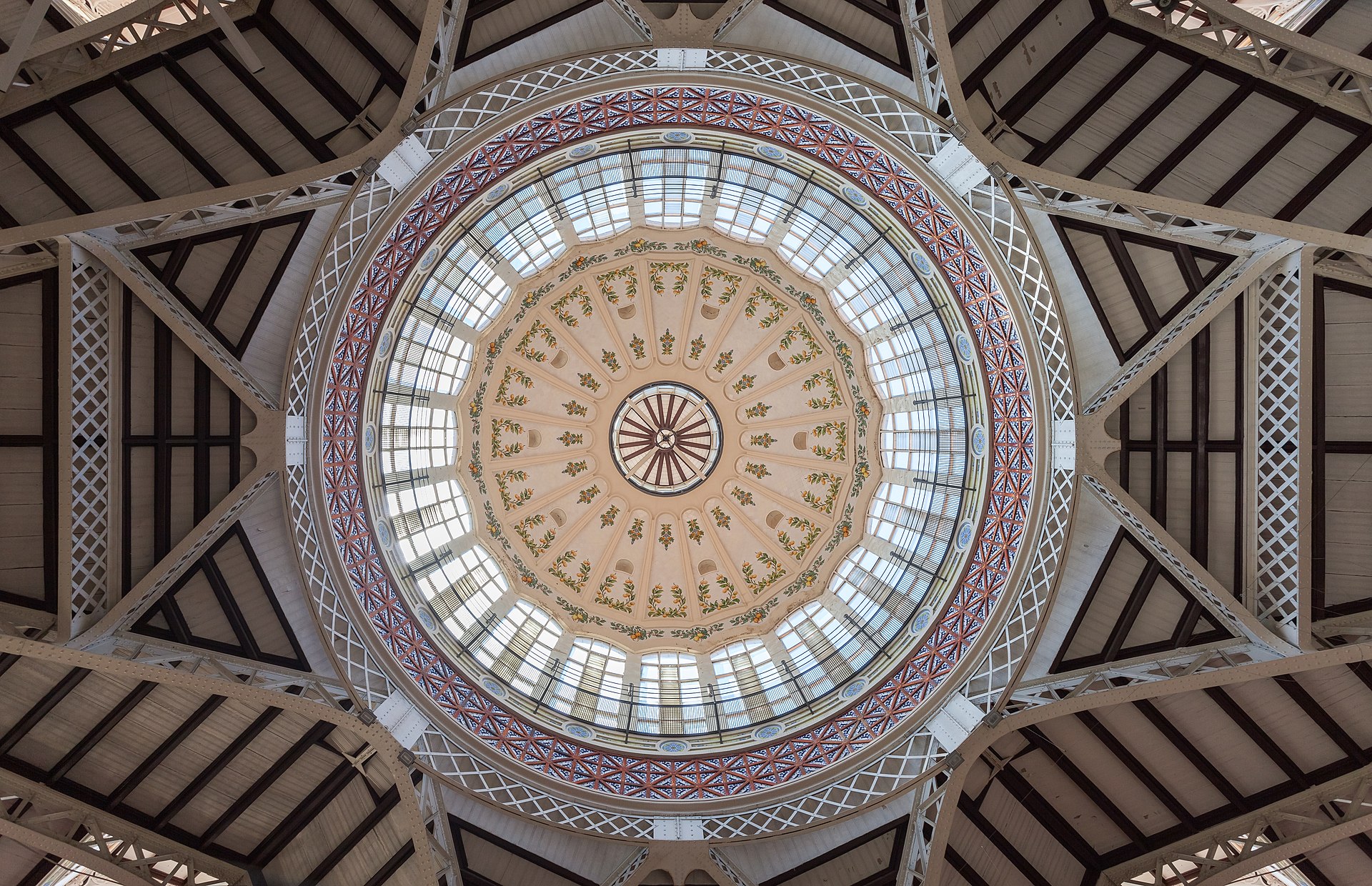
Valencia's Mercat Central is not just a place to buy groceries — it is a cathedral of food. Completed in 1928 after nearly two decades of construction, this Art Nouveau masterpiece covers over 8,000 square meters beneath a soaring dome of stained glass, ornamental ironwork, and hand-painted ceramic tiles. More than 1,000 stalls crowd its aisles, selling everything from glistening Mediterranean fish hauled in that morning to mountains of saffron-hued rice destined for paella pans. Unlike many historic European markets that have drifted toward tourism, Valencia's Central Market remains a genuine daily shopping destination for locals, which is precisely what makes it so compelling to visit. The vendors here are third- and fourth-generation families who know every variety of tomato, every cut of Iberian pork, every pressing of olive oil from the surrounding huerta farmlands. Step inside and explore more of Valencia's highlights or browse additional destinations across Spain.
What To Buy
Seafood aisle at dawn: Watch fishmongers arrange the morning's catch — red prawns from Denia, cuttlefish, razor clams, and langoustines glistening on crushed ice. Artisan cheese tasting: Sample aged Manchego, creamy Torta del Casar, and tangy Valencian goat cheeses from stalls that source directly from small farms. Paella ingredients hunt: Gather bomba rice, saffron threads, fresh rosemary, and snails from dedicated stalls — everything you need for an authentic Valencian paella. Dome and stained glass: Stand in the central octagonal space and look up — the 30-meter stained glass dome floods the hall with colored light each morning. Central Bar by Ricard Camarena: Grab a stool at this acclaimed counter restaurant inside the market for seasonal tapas prepared with ingredients sourced from surrounding stalls. Fresh-squeezed Valencian orange juice: Several juice bars press local oranges on the spot — the flavor bears no resemblance to anything from a carton.
When to Visit
Monday to Saturday: 7:30 AM - 3:00 PM. Sunday and public holidays: Closed. Best for tourists: Arrive between 8:30 and 10:00 AM — stalls are fully stocked, vendors are relaxed, and the crowds haven't peaked yet. Peak hours: 10:00 AM - 12:30 PM on Saturdays is shoulder-to-shoulder; plan accordingly. Early bird advantage: The fish and seafood section is most impressive right at opening when the morning catch is displayed on ice
Admission and Costs
Vendor introductions: Guides have personal relationships with stallholders and can get you behind-the-counter tastings unavailable to walk-up visitors. Ingredient education: Learn to distinguish five varieties of Valencian rice, understand DOP labels, and pick the right saffron — knowledge you'll use long after the trip. Architectural commentary: The building itself is a work of art; guides point out the Art Nouveau ironwork, ceramic parrot weathervane, and stained glass dome you'd walk right under without noticing. Cultural context: Understand why Valencians shop daily rather than weekly, how the market hierarchy works, and the unwritten rules of vendor etiquette. Curated tastings: Instead of randomly grazing, a guide maps a logical route through the market's zones — seafood, charcuterie, cheese, produce, sweets — so nothing is missed.
Tips for Visitors
Go hungry: Between free samples and prepared food stalls, the market doubles as breakfast and brunch — don't eat beforehand. Bring a reusable bag: You'll inevitably buy things; vendors appreciate it and some offer a small discount. Respect the regulars: This is a working market — don't block aisles with selfie sticks or touch produce without asking. Locals shop here daily and the vendors serve them first. Visit La Lonja first: The Gothic silk exchange sits directly across Plaça del Mercat and opens at 10 AM — explore it before the market gets busy. Look up constantly: The iron columns, ceramic tilework, and Art Nouveau detailing are all overhead — most tourists miss the best architecture by staring at the food. Take-home gifts: Saffron tins, smoked paprika, dried peppers, and local olive oil make lightweight, affordable souvenirs that survive the flight home