

Overview
Bar curation: With over a hundred pintxos bars, a guide steers you to the ones locals actually frequent, bypassing tourist traps. Ordering confidence: Guides explain Basque bar etiquette — when to order, how to pay, and which specialities each bar is known for. Hidden history: Stories behind the numbered balconies, the 1813 fire that levelled the neighbourhood, and how the fishermen's quarter became a food mecca. Language bridge: Basque (Euskara) is spoken alongside Spanish here, and a guide helps navigate menus, conversations, and cultural nuance. Dietary navigation: Whether you avoid gluten, eat vegetarian, or follow other dietary needs, a guide knows exactly which bars accommodate you
Local Life
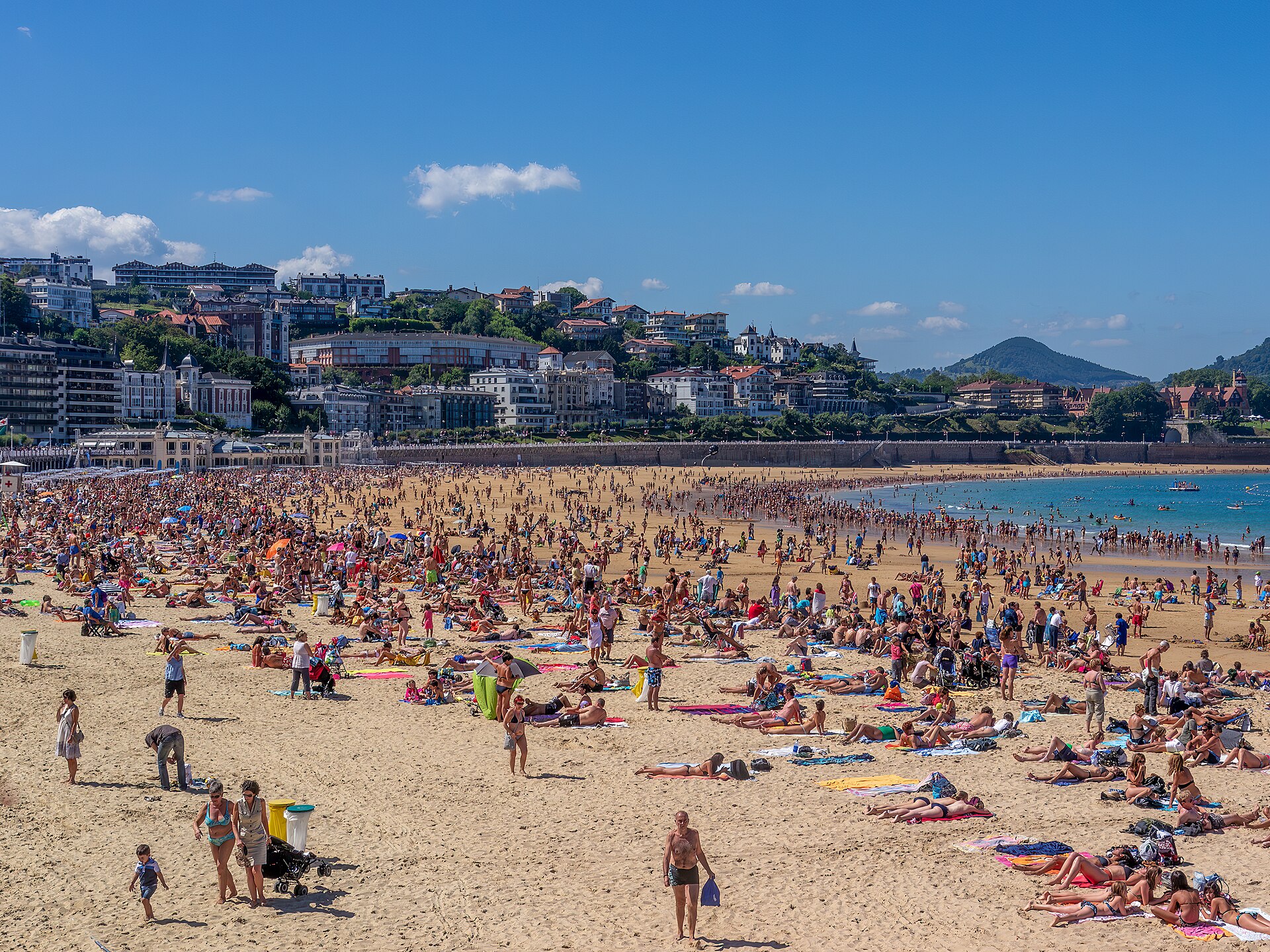
Tucked between Monte Urgull and the mouth of the Urumea river, Parte Vieja is the gastronomic soul of San Sebastián. This compact grid of narrow pedestrian streets packs more pintxos bars per square metre than anywhere else on earth — over a hundred within a few blocks. But the Old Town is far more than a food destination. Founded in the 12th century and rebuilt after a devastating fire in 1813, its architecture blends medieval foundations with 19th-century facades. The Plaza de la Constitución, once the city's bullring, still bears numbered balconies from the days when each one served as a spectator box. The San Telmo Museum, housed inside a former 16th-century Dominican convent, traces Basque identity from prehistoric cave art to modern installations. For anyone exploring Spain's northern coast, these streets are where culinary tradition, local life, and centuries of history intersect on every corner.
Walking Routes
Pintxos crawl: Work your way through Calle 31 de Agosto and Calle Fermín Calbetón, sampling signature bites at each stop. Txakoli tasting: Watch bartenders pour this lightly sparkling Basque white wine from arm's length above the glass to release its fizz. San Telmo Museum: Wander through Basque history in a converted 16th-century convent with a stunning contemporary extension. Plaza de la Constitución: Stand in the former bullring and look up at the numbered balconies — each one was a private box seat. Basilica of Santa María: Marvel at the baroque portal of this 18th-century church nestled at the foot of Monte Urgull. La Bretxa market: Browse stalls of fresh Basque produce, Atlantic seafood, and local cheeses in this covered market
When to Visit
Lunch pintxos (12:30-2 PM): Bars refresh their counters with the day's first wave of hot and cold creations — arrive at 12:30 to catch them at their freshest. Evening crawl (8-10 PM): The second golden window, when locals pour in and the energy reaches its peak; Thursday through Saturday are liveliest. Morning exploration (9-11 AM): Ideal for visiting the San Telmo Museum and Basilica of Santa María without the midday crowds. Off-season (October-May): Fewer tourists mean elbow room at the best bars and a more authentic Basque atmosphere. Festivals: Tamborrada (January 20) fills every street with drumming; Semana Grande (mid-August) brings fireworks and open-air concerts
Admission and Costs
Walking around: Free — the streets, plazas, and church exteriors cost nothing to enjoy. Individual pintxos: €2-5 each depending on complexity (gourmet versions run higher). Txakoli wine pour: €2-3 per glass, poured from height to aerate. San Telmo Museum: €8 general admission, free on Tuesdays. Guided pintxos tour: €80-120 per person (2.5-3 hours, includes food and drinks at 4-5 bars). Private guide: €200-350 for groups of up to 6 people (food and drink separate)
Tips for Visitors
Move with the locals: Donostiarras rarely stay at one bar for more than two pintxos — mimic the hop-and-move rhythm for the best experience. Keep your toothpicks: Some bars count the wooden skewers on your plate to calculate the bill, so don't toss them. Cash still matters: While many bars accept cards, smaller spots and older establishments prefer cash, especially for amounts under €10. Sundays are quieter: Many bars close Sunday evening and all day Monday — plan your pintxos crawl for Tuesday through Saturday. Comfortable shoes: The streets are cobblestoned and you'll be standing at bar counters — leave the heels at the hotel. Pace yourself: It's tempting to overorder at the first bar, but the best strategy is one or two bites per stop across six to eight bars