

Overview
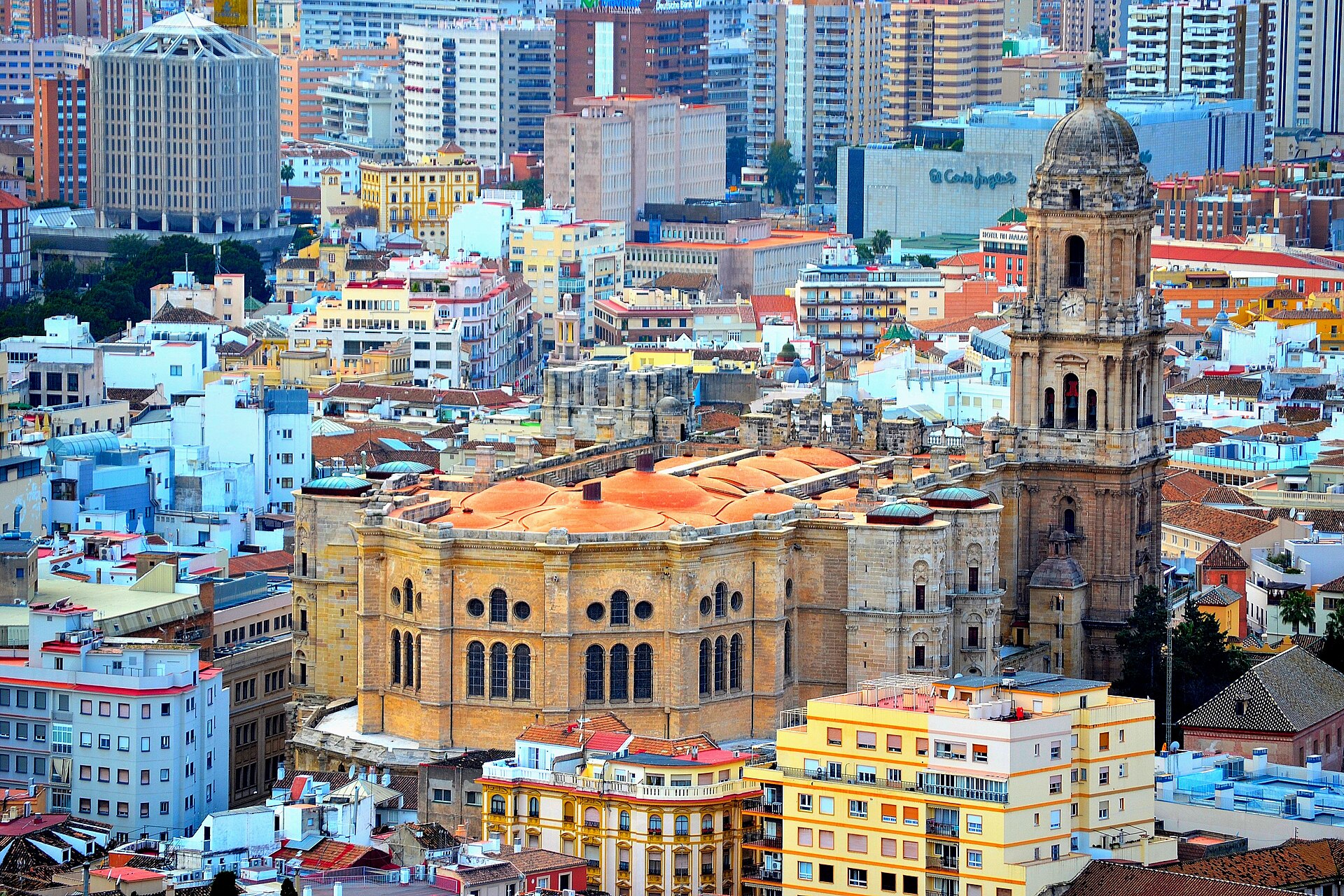
Rooftop walk: Climb 200 steps to the cathedral's terraces for a panoramic perspective found nowhere else in the city center. Choir stalls: Pedro de Mena's 42 carved saints display an emotional realism that predates photography by centuries. Main nave: Stand beneath the 42-meter vaulted ceiling and feel the scale that 16th-century architects envisioned. Chapel art: Paintings by Alonso Cano, Niño de Guevara, and other Spanish masters line the side chapels. Mosque foundations: Traces of the original Great Mosque are still visible in the courtyard and lower structure. The unfinished tower: The flat-topped south facade is the city's most photographed architectural quirk
Visitor Etiquette
Locals call her La Manquita — "the one-armed lady" — because her south tower was never finished, leaving the cathedral with a lopsided silhouette that has become one of Málaga's most recognizable symbols. Construction began in 1528 on the foundations of the city's former Great Mosque and stretched across two and a half centuries, blending Renaissance structure with Baroque ornamentation and even touches of Neoclassical design. The result is an architectural time capsule: 40 side chapels, Pedro de Mena's breathtaking wooden choir stalls, a soaring 42-meter nave, and a rooftop walkway with sweeping views over the port and the mountains beyond. Explore more of southern Spain with our full country guide.
Spiritual Significance
Centuries of styles: Guides untangle the Renaissance, Baroque, and Neoclassical layers that coexist within a single building, explaining why each section looks different. The missing tower story: A guide recounts the political and financial drama that diverted construction funds to the American War of Independence, freezing the south tower forever. Chapel narratives: Forty chapels hold paintings, sculptures, and reliquaries — without a guide, most visitors walk past them without grasping their significance. Pedro de Mena masterclass: Guides bring the 42 carved choir stalls to life, explaining why this Málaga-born sculptor is regarded as one of Spain's greatest Baroque artists. Rooftop context: From above, guides identify landmarks — the Alcazaba, Gibralfaro, the port, the bullring — and tie them into the cathedral's history
When to Visit
Monday-Saturday: 10 AM-6 PM (last entry 5:30 PM). Sunday: Open for worship only (no tourist visits). Rooftop tours: Multiple departures daily, typically 11 AM, 12 PM, 1 PM, 4 PM, and 5 PM. Extended summer hours: Open until 7 PM from June through September. Quietest periods: Weekday mornings from 10-11 AM, especially outside school holidays
Admission and Costs
Cathedral general entry: €6. Rooftop tour (Cubiertas): €10 (separate ticket, includes 200-step climb). Combined cathedral + rooftop: €14. Guided group tour: €12-15 per person (1 hour, includes entry). Private guided tour: €18-20 per person (1.5 hours, cathedral + rooftop, minimum 2 people)
Tips for Visitors
Dress appropriately: Shoulders and knees must be covered as it is an active place of worship. Rooftop fitness: The 200-step climb is not suitable for those with mobility difficulties or severe vertigo. Audio guides available: If you prefer a self-paced visit, audio guides are offered in several languages at the entrance. Combine with nearby sites: The Picasso Museum and Alcazaba are both within a ten-minute walk. Photography: Allowed throughout the cathedral interior without flash; tripods and selfie sticks are not permitted. Allow 1-2 hours: Add 45 minutes if you include the rooftop tour — it runs on a fixed schedule