

Overview
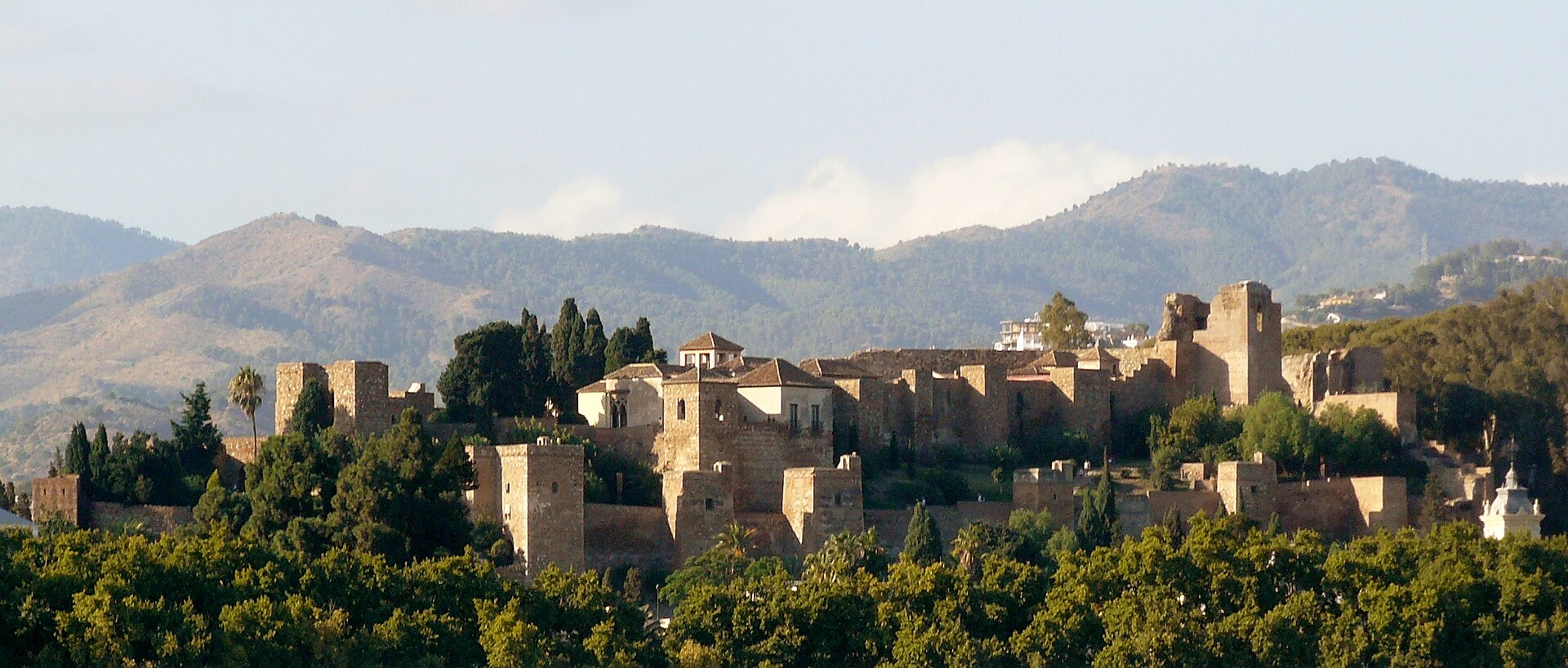
Perched on the slopes of Mount Gibralfaro, the Alcazaba of Málaga stands as the best-preserved Moorish fortress-palace in all of Spain. Built in the 11th century during the Taifa period by the Hammudid dynasty, its double ring of defensive walls once sheltered a self-contained palatial city with bathhouses, quarters for guards, and ornamental gardens fed by an intricate system of water channels. At its feet lies a 1st-century Roman theatre whose stone was pillaged by the Moors to build the very walls above it, creating a layered monument to two thousand years of Mediterranean civilization. A walled rampart path called La Coracha climbs from the Alcazaba to the Castillo de Gibralfaro on the summit, linking two of Málaga's most iconic landmarks. For more Andalusian and Castilian heritage, see our Spain guide.
Notable Rooms
Layers of history: A guide unravels how Phoenician, Roman, and Moorish civilizations each left their mark on the same hillside. Architectural details: Without guidance, the defensive towers, horseshoe arches, and water engineering look scenic but their ingenious purpose remains hidden. Garden symbolism: Nasrid gardens were designed as earthly reflections of paradise, and guides explain the meaning behind every fountain, channel, and planting. Roman theatre context: Guides reveal how the Moors dismantled Roman columns and reused them as structural supports, visible throughout the fortress. Strategic overview: Understanding why this exact hilltop controlled the port, the river, and the mountain pass transforms a walk into a military history lesson
Fortification History
Double walls: Walk between the inner and outer defensive rings, once patrolled by Moorish soldiers guarding the palace within. Nasrid gardens: Fragrant courtyards with jasmine, bougainvillea, and trickling fountains that echo the Alhambra's garden philosophy. Roman theatre: Stand inside a 1st-century amphitheatre at the fortress base, free to enter and remarkably well-preserved. Port views: From the upper terraces, gaze across the harbour, the bullring, and the Mediterranean stretching toward Africa. La Coracha walk: Follow the fortified rampart path uphill to Gibralfaro Castle for commanding 360-degree panoramas. Recycled Roman stone: Spot ancient marble capitals and column drums built directly into Moorish archways
When to Visit
Summer (April-October): Monday-Sunday: 9 AM-8 PM. Winter (November-March): Monday-Sunday: 9 AM-6 PM. Closed: December 24, December 25, December 31, January 1. Best time: Early morning (9-10 AM) for cooler temperatures and fewer visitors. Golden hour: Late afternoon light casts warm tones across the sandstone walls
Admission and Costs
Alcazaba only: €3.50. Combined Alcazaba + Gibralfaro Castle: €5.50. Guided group tour: €10-15 per person (1.5 hours, includes Alcazaba entry). Private guided tour: €15-20 per person (2 hours, Alcazaba + Roman theatre, minimum 2 people). Free entry: Sundays after 2 PM (limited availability, arrive early)
Tips for Visitors
Wear sturdy shoes: The paths are uneven stone, steep in places, and slippery when wet. Bring water: There are no vendors inside the fortress, and summer temperatures regularly top 35°C. Start early or late: Midday heat makes the exposed ramparts uncomfortable from June through September. Visit the theatre first: The free Roman theatre at the base sets the historical context before you climb into the Alcazaba. Accessibility: The lower terraces are partially accessible, but the upper fortress requires steep stair climbing. Photography: The terraces facing the port offer the best backdrop — morning light avoids backlit silhouettes