
.JPG)
Overview
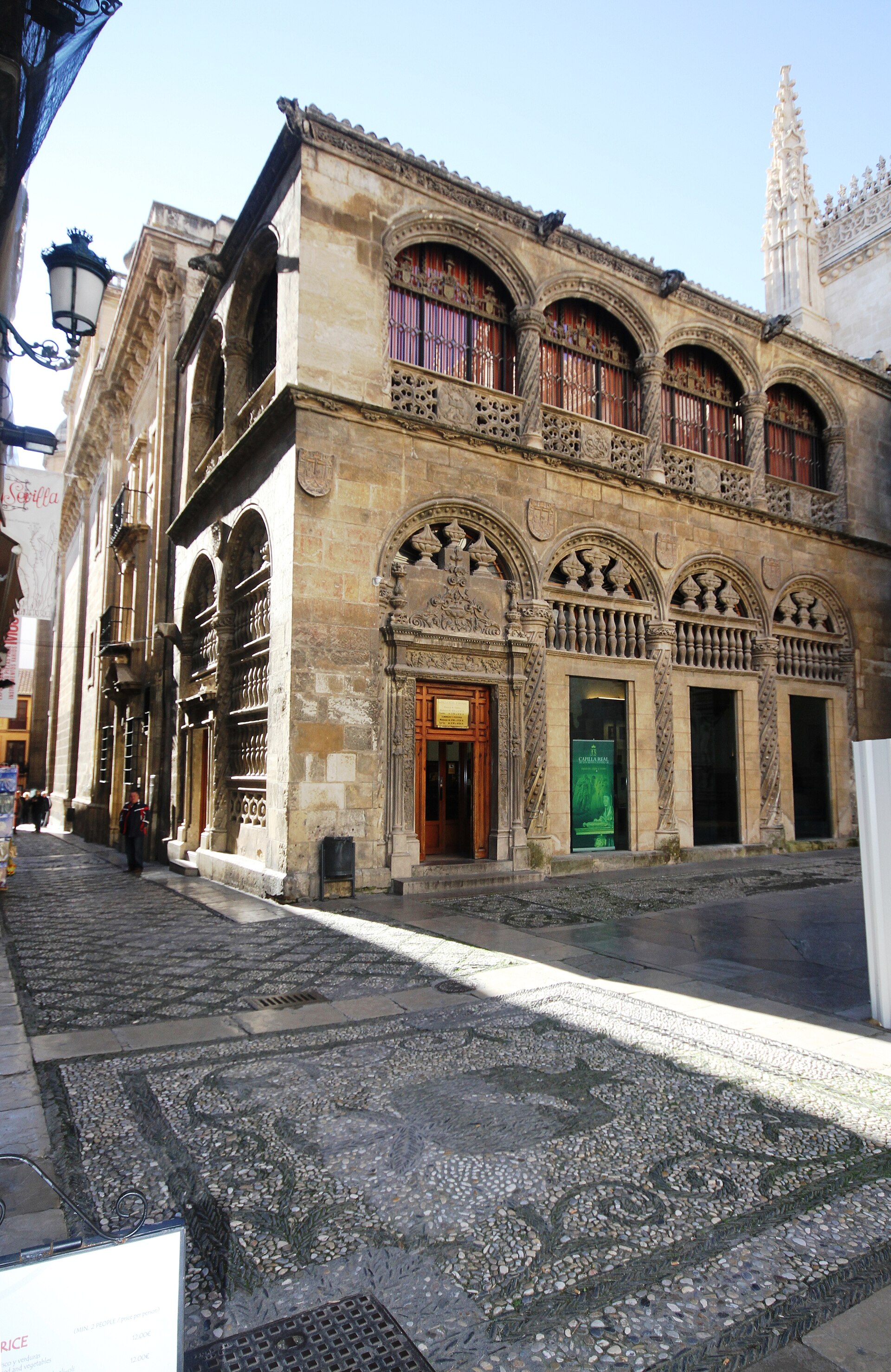
Tucked into the heart of Granada's old town, the Capilla Real stands as one of the most historically significant buildings in all of Spain. Queen Isabella I ordered its construction in 1504, just months before her death, insisting that she and Ferdinand be buried in the city whose conquest completed the 780-year Reconquista. Finished in 1517 in the ornate Isabelline Gothic style, the chapel became the final resting place of the monarchs who unified Spain, established the Spanish Inquisition, and sent Christopher Columbus across the Atlantic. Beyond the tombs, the chapel houses an extraordinary sacristy museum with the monarchs' personal art collection — works by Rogier van der Weyden, Memling, Botticelli, and Perugino that reveal surprisingly refined Flemish and Italian tastes. Learn more about what Granada has to offer or explore our broader Spain guide.
Visitor Etiquette
Decode the political symbolism: Every detail in the chapel — from the heraldic emblems to the positioning of the tombs — communicates a carefully crafted message about royal power and religious authority. Art expertise: The sacristy contains masterpieces by Flemish and Italian painters that most visitors rush past; a guide explains why Isabella's art collection rivals many major museums. Reconquista context: Without understanding the 780-year struggle to reclaim Iberia, the chapel's significance is lost — guides connect the dots between the Alhambra's fall and this building's creation. Architectural details: The Isabelline Gothic style blends Gothic structure with Mudéjar (Moorish-Christian) ornamental details that trained eyes can spot throughout. Bring history to life: Guides share stories about Isabella's iron will, Ferdinand's political cunning, and Juana's tragic life that transform stone monuments into vivid human drama
Spiritual Significance
Royal cenotaphs: Domenico Fancelli's exquisite Carrara marble monuments depict Ferdinand and Isabella in idealized repose — descend to the crypt below to see the humble lead coffins where their remains actually rest. Sacristy museum: Isabella's personal art collection includes Rogier van der Weyden's haunting Nativity, Memling's delicate Descent from the Cross, and works by Botticelli and Perugino. Royal regalia: Ferdinand's sword, Isabella's silver crown, her personal scepter, and a hand mirror are displayed in the sacristy — intimate objects that bring these historical figures startlingly close. Wrought-iron screen: Master Bartolomé de Jaén created the magnificent reja (iron grille) separating the nave from the chancel — considered one of the finest examples of Spanish metalwork. Altarpiece: Felipe Vigarny's carved retablo behind the altar depicts scenes from the Reconquista alongside the lives of John the Baptist and the Evangelists. Isabella's testament: A copy of the queen's last will is displayed, including her famous instruction that indigenous peoples in the Americas be treated justly — a directive largely ignored by subsequent colonizers
When to Visit
Monday-Saturday: 10:15 AM - 6:30 PM (last entry 6:00 PM). Sunday & holidays: 11:00 AM - 6:00 PM (last entry 5:30 PM). Closed: During religious services (check schedule at entrance). Best time: Early morning right at opening, when tour groups haven't arrived yet. Least crowded: Weekday afternoons after 3:00 PM, particularly in winter months
Admission and Costs
General admission: €5 (chapel + sacristy museum). Audio guide: €3 extra (available in 8 languages). Guided group tour: €15-25 per person (45-60 minutes, includes entry). Private guide: €100-180 for up to 6 people (tickets purchased separately). Combined ticket with Cathedral: Often available at the door for a small discount. Reduced rates: Students, seniors, and large groups qualify for discounted admission
Tips for Visitors
No photos inside: Photography is strictly forbidden in the chapel interior; guards enforce this actively, so keep your phone away. Combine with the Cathedral: Granada Cathedral is literally next door through a separate entrance — plan to visit both in a single morning or afternoon. Allow 45-60 minutes: The chapel is compact but dense with detail; rushing through means missing the sacristy's remarkable art collection. Dress respectfully: As an active place of worship, covered shoulders and knees are expected. Visit the crypt: Many visitors miss the small staircase leading down to the actual burial vault beneath the cenotaphs — don't skip it. Context helps enormously: Read up on Isabella and Ferdinand beforehand, or hire a guide; the chapel's impact multiplies when you understand what these monarchs accomplished and at what cost